
 admin
admin 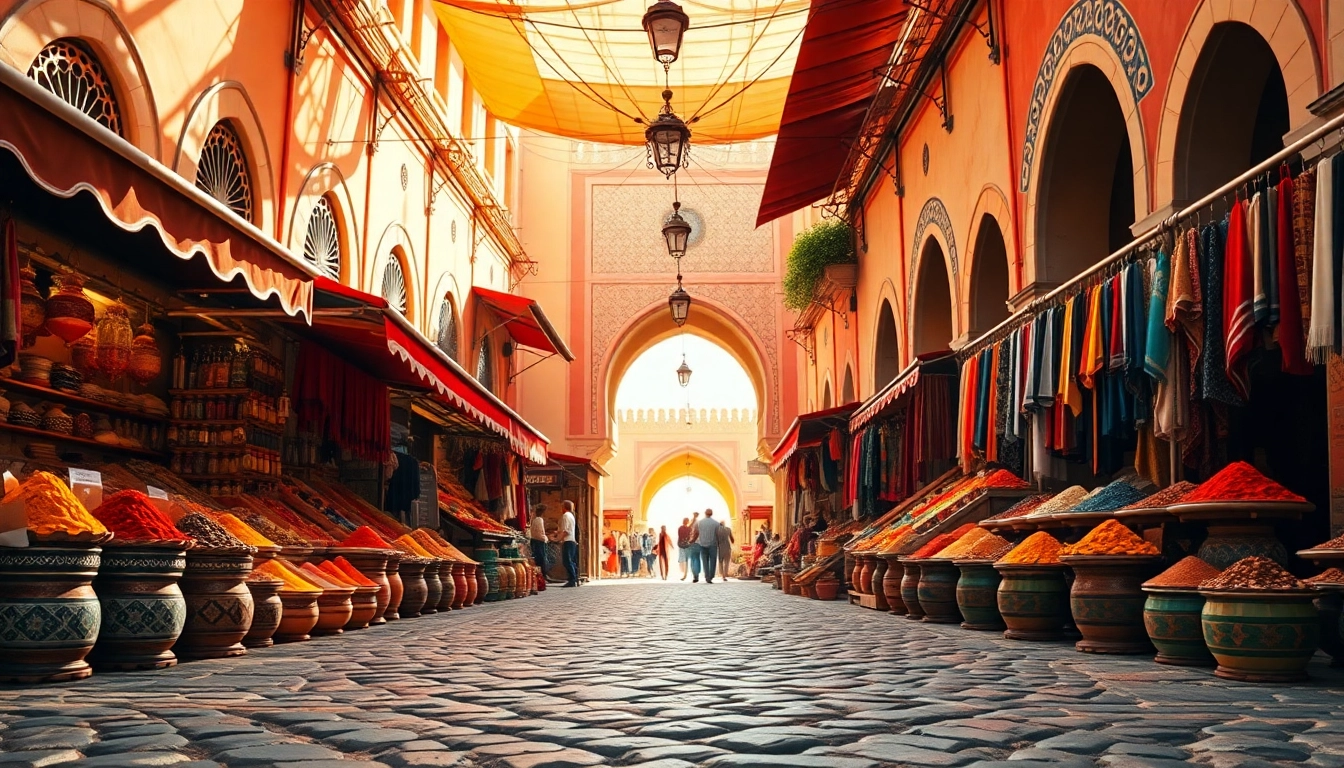
Introduction to Morocco Travel
Embarking on morocco travel opens up a world of vibrant cultures, stunning landscapes, and rich history. Nestled at the crossroads of Europe and Africa, this North African gem is known for its breathtaking beauty and diverse heritage. From the bustling streets of Marrakech to the serene deserts of Sahara, Morocco is a destination that beckons adventurous spirits and history enthusiasts alike. Whether you’re wandering through ancient medinas or sipping mint tea with locals, every experience is steeped in tradition and wonder.
Cultural Overview of Morocco
Morocco’s culture is a kaleidoscope of influences, shaped by Berber, Arab, and French traditions. This amalgamation is reflected in its art, architecture, language, and cuisine. The predominant languages spoken are Arabic and Amazigh, but French is widely understood, especially in urban areas. Morocco’s calendar is filled with vibrant festivals, celebrating everything from its agricultural bounty to its historic and religious significance.
Moroccan art and architecture display geometric patterns and intricate tile work, showcased in grand structures such as the Hassan II Mosque in Casablanca or the Saadian Tombs in Marrakech. Music also plays a vital role in Moroccan culture, with styles varying from traditional Berber music in the mountains to the rhythmic beats of Gnawa in cities. This cultural richness presents an invaluable opportunity for travelers to immerse themselves and learn about the local way of life.
Key Destinations for Travelers
When planning a trip to Morocco, certain destinations stand out due to their unique offerings:
- Marrakech: Renowned for its vibrant souks, historic palaces like the Bahia Palace, and the bustling Djemaa el-Fnaa square.
- Fes: Home to one of the world’s oldest universities, Al Quaraouiyine, and known for its well-preserved medieval architecture.
- Chefchaouen: Famous for its stunning blue-washed buildings and laid-back atmosphere, perfect for relaxing and exploring picturesque streets.
- Casablanca: A city that marries modernity with tradition, featuring a thriving nightlife and the impressive Hassan II Mosque.
- Merzouga: The gateway to the Sahara Desert, offering camel trekking and stunning sunsets.
What Makes Morocco Unique
Morocco’s uniqueness lies in its ability to offer a contrasting blend of experiences. The majestic Atlas Mountains provide opportunities for hiking and adventure, while the coastline along the Atlantic Ocean offers beautiful beaches for relaxation. Morocco is also famous for its culinary delights, ranging from flavorful tagines to delectable couscous and pastries. Furthermore, Morocco’s commitment to preserving its rich cultural heritage makes it a treasure trove for those eager to explore authentic traditions.
Planning Your Morocco Travel
Best Times to Visit Morocco
The ideal times to visit Morocco are during the spring (March to May) and fall (September to November) when the weather is pleasantly mild and suitable for exploration. Summer can be scorching, especially in the deserts, whereas winter may bring cooler temperatures in the mountains. Each season offers its own unique charm, such as traditional spring festivals or winter sports in the Atlas Mountains.
Traveling Preparations and Documents
Traveling to Morocco requires some essential preparations. Visitors should ensure they have valid passports, with at least six months of validity remaining. Depending on their nationality, travelers may need a visa; however, many countries enjoy visa-free access for short stays. It’s advisable to check the latest travel requirements before heading off. Additionally, travelers should consider purchasing travel insurance that covers health, accidents, and theft.
Budgeting for Morocco Travel
Budgeting for a trip to Morocco can vary widely based on personal preferences and travel styles. Accommodation ranges from affordable hostels to luxurious riads, with prices fluctuating based on the season and location. Dining can also be budget-friendly, with street food and local eateries offering robust flavors at low prices. On average, travelers can expect to spend between $30 to $100 per day, covering accommodation, food, transportation, and activities.
Experiencing Moroccan Cities
Exploring Marrakech: A Hub of Culture
Marrakech is often considered the heart of Morocco, bursting with life and color. The iconic Medina is a UNESCO World Heritage site, where labyrinthine streets lead to bustling souks filled with artisan crafts, textiles, and spices. The Djemaa el-Fnaa square is a must-visit, especially in the evening when food stalls emerge, and entertainment abounds. Visitors should also not miss the tranquil Jardin Majorelle, a vibrant garden that pays homage to Moroccan aesthetics.
Fes: The Heart of Ancient Traditions
Fes is a city that offers a glimpse into Morocco’s rich past. Its medina is a maze of narrow streets, brimming with historic mosques, madrasas, and artisan workshops. Fes is particularly famous for its tanneries, where traditional leather production processes can be witnessed. The city is also home to a vibrant intellectual community, making it a hub for learning and cultural exchange.
Casablanca: A Blend of Modern and Traditional
As Morocco’s largest city, Casablanca is a bustling metropolis that reflects both traditional and contemporary influences. The Hassan II Mosque, one of the largest in the world, stands as a testament to Morocco’s architectural prowess. Visitors can explore the Corniche, where the Atlantic Ocean meets urban life, with numerous cafés and restaurants offering stunning views. Casablanca is also a center for business and modern arts, showcasing the nation’s growth and globalization.
Adventure and Activities in Morocco Travel
Outdoor Activities: From Mountains to Deserts
Morocco’s diverse landscapes provide ample opportunities for outdoor adventures. The Atlas Mountains are ideal for trekking, mountain biking, and skiing in winter, while the Sahara Desert offers camel trekking, sandboarding, and stargazing at night. The coastal cities are perfect for surfing, windsurfing, and beach activities, making Morocco a playground for outdoor enthusiasts of all kinds.
Local Cuisine and Culinary Experiences
No trip to Morocco would be complete without indulging in its mouthwatering cuisine. Traditional dishes such as tagine and couscous are must-tries, each varying by region and local ingredients. Food lovers can take part in a cooking class to learn how to prepare these dishes using authentic methods. Additionally, markets and food tours offer an engaging way to sample street food, pastries, and local delicacies.
Cultural Festivals and Events
Morocco hosts numerous cultural festivals throughout the year that showcase its rich heritage. The Marrakech International Film Festival attracts cinema lovers, while the Mawazine Festival in Rabat celebrates music from around the world. Events such as the Fes Festival of World Sacred Music present a unique opportunity to experience Morocco’s diverse musical styles. Participating in these events allows travelers to connect more deeply with Moroccan culture and locals.
Essential Tips for Morocco Travel
Safety and Health Guidelines
Safety is a significant concern for travelers in any foreign country. Morocco is generally safe for tourists; however, it’s wise to stay aware of your surroundings and follow local advice. Health-wise, ensure vaccinations are up to date, and be cautious with street food to avoid stomach issues. Carrying hand sanitizer and drinking bottled water is advisable, especially in remote areas.
Respecting Local Customs and Traditions
Respecting local customs goes a long way in any travel experience. In Morocco, dress modestly, especially in rural areas and during visits to religious sites. Greeting locals with a friendly “salaam alaykum” (peace be upon you) acknowledges their culture. It’s also common to share food and drinks with locals, which is a cherished tradition. Learning a few basic Arabic or Berber phrases can also enhance interactions.
Traveling Responsibly in Morocco
Traveling responsibly means being conscious of your impact on the environment and local communities. Opt for eco-friendly accommodations and support local artisans by purchasing handmade goods. Be mindful of your resource consumption and always respect the natural landscapes. Engaging in cultural exchanges while being aware of cultural sensitivities fosters mutual respect and enhances your travel experience.