
 admin
admin 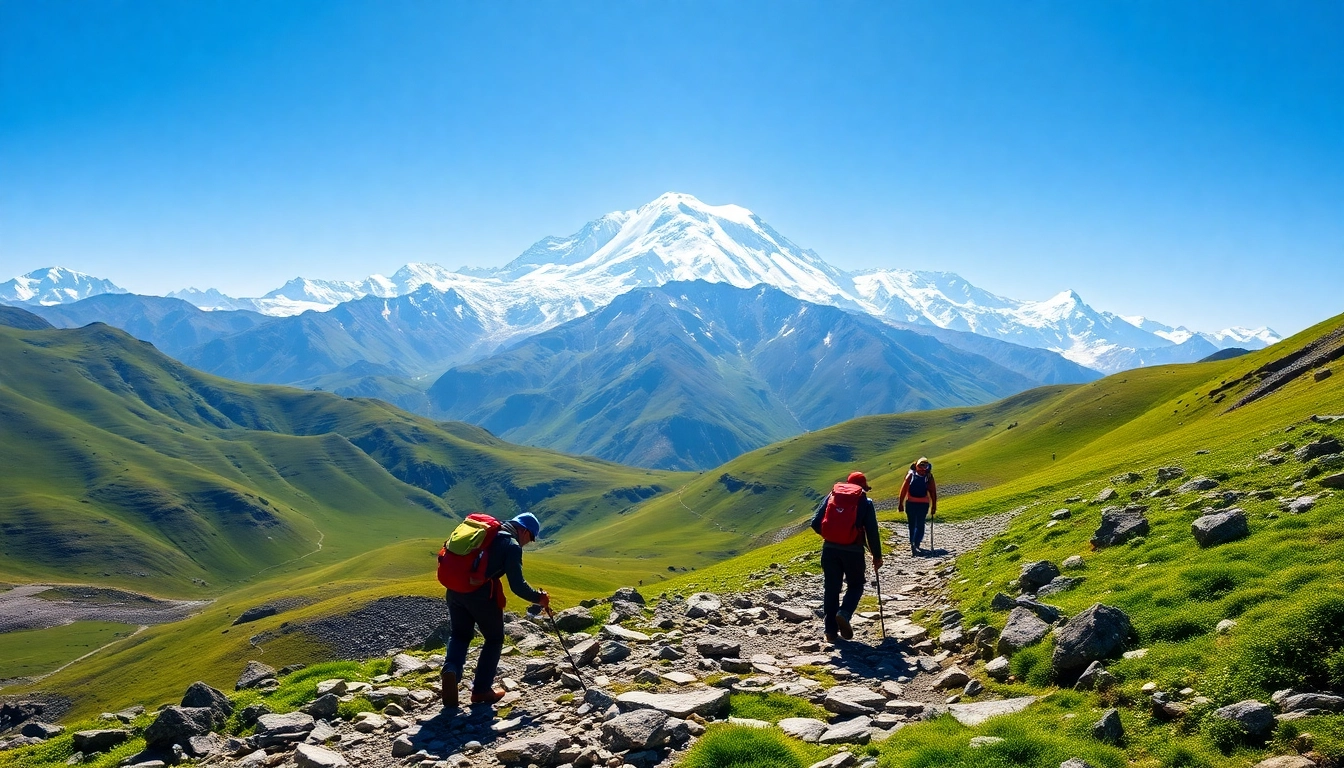
Understanding the Goechala Trek
The goechala trek is renowned for its breathtaking views and captivating wilderness, making it a must-do adventure for trekking enthusiasts. This trek not only provides exhilarating challenges but also rewards trekkers with stunning panoramas of the majestic Himalayas, particularly the Kanchenjunga, the third highest mountain in the world. Embarking on this trek offers a unique opportunity to immerse yourself in the serene beauty of Sikkim’s diverse landscapes.
Why Choose the Goechala Trek?
The Goechala trek is arguably one of the most celebrated trekking experiences in India. Here’s why you should consider it:
- Stunning Mountain Views: The trek offers panoramic views of not just Kanchenjunga but also other Himalayan peaks, making it a photographer’s paradise.
- Cultural Richness: The trek route takes you through quaint villages, allowing trekkers to interact with the warm and welcoming local communities.
- Varied Terrain: Trekkers experience a mix of lush forests, alpine meadows, and rocky terrains that challenge both the body and mind.
- Wildlife Encounters: The Kanchenjunga National Park, through which this trek passes, is home to diverse flora and fauna, including rare species.
Key Features of the Trek
As you embark on the Goechala trek, you encounter several distinctive features that enhance the adventure:
- Majestic Views: The proximity to the Kanchenjunga mountain range is a highlight, showcasing stunning sunrises and sunsets.
- Altitude Experience: The trek reaches significant altitudes, challenging you while providing a sense of accomplishment.
- Rich Biodiversity: The varying ecosystems support unique plant and animal life, providing trekkers with a living classroom of nature.
- Serene Campsites: Camps are set against breathtaking backdrops, ensuring immersive nights under the stars.
Best Time to Undertake the Goechala Trek
Timing can significantly impact your trekking experience. The best months to tackle the Goechala trek are:
- Spring (April-May): Characterized by clear skies, blooming rhododendrons, and mild temperatures, making it a popular time.
- Autumn (September-October): Known for pristine visibility and pleasant weather, making it ideal for trekking.
During the monsoon (June-August), the paths can be slippery and dangerous, while winter (November-February) presents sub-zero conditions that can make trekking challenging.
Preparing for Your Goechala Trek Adventure
Preparation is key to a successful trek, especially one as demanding as Goechala. Here’s how to approach it:
Physical Fitness and Requirements
The Goechala trek is classified as a challenging trek, necessitating a good level of physical fitness. Prior to undertaking this trek, it’s advised to engage in:
- Cardio Workouts: Running, cycling, and swimming enhance cardiovascular endurance.
- Strength Training: Focus on leg and core strength through weight training and bodyweight exercises.
- Hiking Practice: Practice trekking with a loaded backpack to acclimate physically and mentally.
In essence, a training program should commence at least a few weeks prior to the trip.
Essential Gear and Packing Tips
Equipping yourself with the right gear can make your trekking experience much more comfortable. Essential items include:
- Trekking Shoes: A good pair of waterproof trekking shoes with sturdy grip are crucial.
- Clothing: Layered clothing that includes moisture-wicking base layers, insulated mid-layers, and a waterproof outer layer.
- Additional Gear: Trekking poles, a first aid kit, a hydration system, and portable snacks are important for longer treks.
- Camping Gear: Depending on your trekking style (guided or solo), ensure you have a quality sleeping bag suitable for low temperatures, a tent, and cooking tools.
Safety Precautions During the Trek
With the challenges posed by trekking in high altitudes, it is essential to be well-prepared to ensure safety:
- Altitude Acclimatization: Gradual ascent helps prevent altitude sickness; make sure to take rest days.
- Stay Hydrated: Drink plenty of water, aiming for at least 3-4 liters daily to avoid dehydration.
- Weather Awareness: Keep informed about weather conditions, as they may change rapidly.
- Emergency Plan: Always have a plan in place for emergencies; know how to contact help and evacuate if necessary.
Itinerary Overview for Goechala Trek
The Goechala trek typically spans around 10 to 12 days, depending on customization. Below is a day-by-day breakdown:
Day-by-Day Breakdown
The general itinerary involves:
- Day 1: Drive from Bagdogra to Yuksom, the starting point of the trek.
- Day 2: Yuksom to Sachen, a moderate 10 km trek.
- Day 3: Sachen to Tshoka, another 7 km trek through beautiful forests.
- Day 4: Tshoka to Dzongri, covering about 10 km; you will experience the changing terrains.
- Day 5: Dzongri to Dzongri Top for sunrise views before descending.
- Day 6: Trek to Thangsing, continuing towards Goechala.
- Day 7: Thangsing to Goechala base, a strenuous ascent offering spectacular views.
- Day 8: Contemplating the breathtaking sights, return to Thangsing.
- Day 9: Return trek to Dzongri.
- Day 10: Dzongri to Tshoka and onward to Sachen.
- Day 11: Arrive back in Yuksom and drive back to Bagdogra.
Highlight Attractions Along the Route
Some of the noteworthy attractions that you will encounter along the trek include:
- Kanchenjunga: The towering presence of this mighty mountain creates an awe-inspiring backdrop.
- Dzongri Peak: Offers some of the best panoramic views of the surrounding landscapes.
- Rhodo Valley: Famous for its blooming rhododendrons, particularly during spring.
- Kanchenjunga National Park: A UNESCO World Heritage site boasting rich biodiversity.
Accommodation Options on the Goechala Trek
Accommodation during the trek varies from homestays to tented camps, providing a unique experience:
- Homestays: Staying at local homes can enhance cultural immersion.
- Campsites: Standard camps provide tents with basic facilities, creating a great outdoor experience.
Pre-book accommodations, especially during peak trekking seasons, to avoid logistical challenges.
Cost Analysis for Goechala Trek
Understanding the costs involved is essential for planning your trek effectively. Here’s how it breaks down:
What’s Included in Trek Packages?
Most trekking packages typically cover the following:
- Transport: Transfers from the nearest airport to Yuksom.
- Accommodation: Stays during the trek, whether in camps or homestays.
- Meals: Most packages offer meals throughout your journey.
- Guidance: Services of a professional guide and support staff.
Budgeting for the Goechala Trek
The total cost for the Goechala trek can vary widely depending on several factors:
- Service Level: High-end packages with more amenities will cost more.
- Duration: Longer treks naturally incur higher costs due to additional days of service.
On average, budget around ₹3000 for basic trekking arrangements, including permits and essential expenses.
Hidden Costs and Considerations
While planning your budget, consider potential hidden costs:
- Permits: Ensure you factor in the cost of necessary trekking permits.
- Insurance: Trekking insurance may be required and is worth the investment.
- Extra Meals and Snacks: If not included in the package, allocate funds for additional meals and snacks.
Frequently Asked Questions About Goechala Trek
How difficult is the Goechala trek?
The Goechala trek is considered challenging. It requires good fitness for steep ascents and spans about 90 km over 11 days.
How much does the Goechala trek cost?
The cost generally amounts to around ₹3000, which includes basic trekking arrangements like meals and permits.
What fitness level is needed for the Goechala trek?
A moderate to high fitness level is required. Regular cardio and strength training are recommended to prepare.
What is the best season for Goechala trek?
Spring (April-May) and autumn (September-October) are ideal for stable weather, showcasing stunning views.
Are permits required for the Goechala trek?
Yes, permits are essential and should be arranged beforehand to avoid hassles during your trek.