
 admin
admin 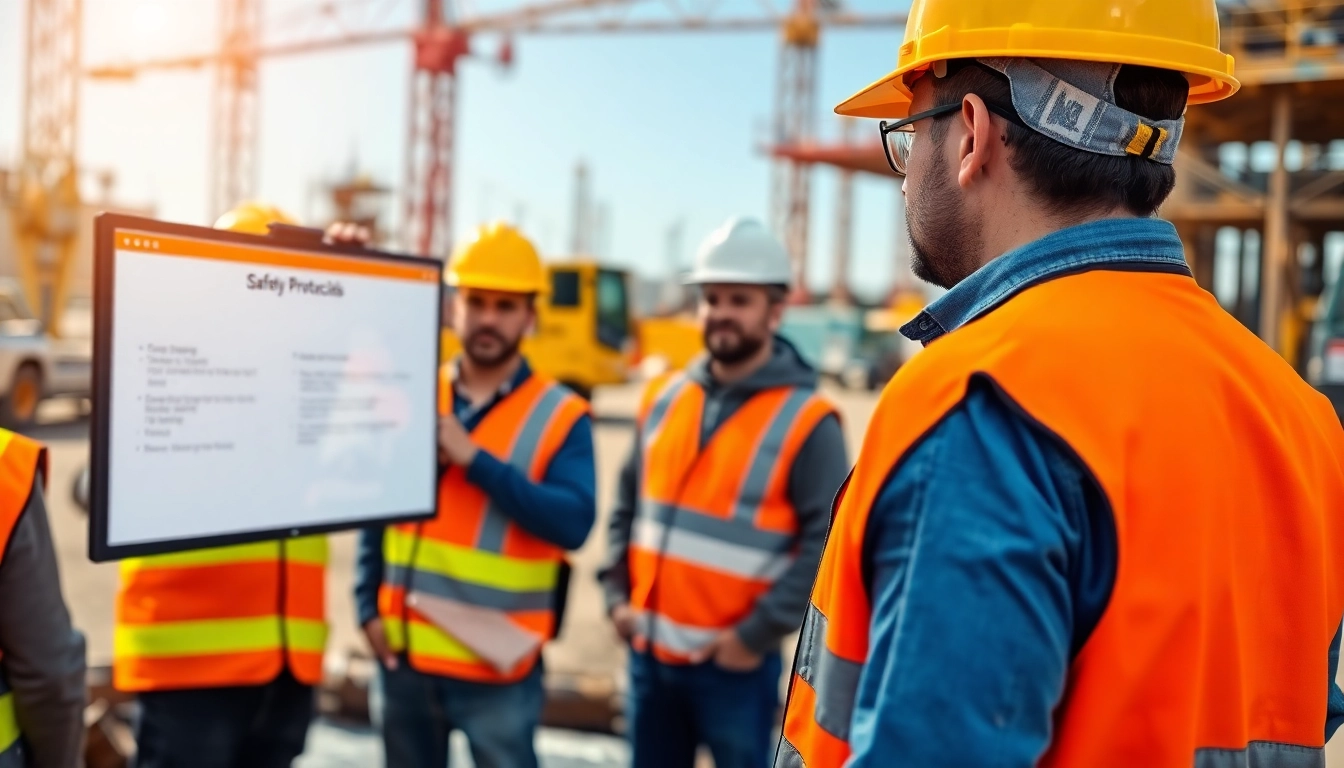
Understanding Construction Safety Training
Construction safety training is a critical aspect of the construction industry, aimed at reducing workplace hazards and ensuring that employees are equipped with the knowledge they need to operate safely. Proper training not only complies with regulations but also enhances overall workforce morale and productivity. Investing in construction safety training reflects a commitment to safety that benefits everyone on site.
Importance of Construction Safety Training
Construction work is inherently dangerous, with numerous hazards that can lead to serious injuries or fatalities. According to the Occupational Safety and Health Administration (OSHA), falls, being struck by objects, electrocutions, and caught-in/between incidents are among the leading causes of deaths in the construction industry. Safety training helps to address these risks by educating workers on best practices and safe operation of machinery, ultimately reducing the chance of accidents.
Moreover, effective safety training fosters a safety culture where all employees are aware of the risks and prioritize safety actions, leading to fewer incidents and liabilities. This not only protects workers but also the company’s bottom line by reducing costs related to accidents and insurance.
Regulations and Compliance in Construction Safety Training
Understanding the specific regulations that govern construction safety is crucial for compliance. OSHA sets forth standards that every construction site must follow, including training requirements tailored to different job classifications and duties. Compliance with these regulations not only mitigates legal risks but enhances credibility and trust with clients and partners.
Firms must ensure that their safety training programs align with OSHA guidelines and any state-specific regulations. This includes proper documentation, training procedures, and regular audits to ensure that protocols are being followed correctly.
Common Hazards Addressed in Construction Safety Training
Construction safety training typically addresses several common hazards, including:
- Fall Protection: Training individuals on the use of safety harnesses, guardrails, and ladders.
- Electrical Safety: Ensuring knowledge of electrical hazards and safe practices to prevent electrocution.
- Heavy Machinery Operation: Training on operating bulldozers, cranes, etc., focusing on safety protocols.
- Hazard Communication: Educating workers on the safe handling of chemicals and materials on-site.
- Personal Protective Equipment (PPE): Instruction on selecting and using appropriate gear like helmets, gloves, and goggles.
Key Components of Effective Construction Safety Training
Curriculum Development for Construction Safety Training
The foundation of effective construction safety training lies in a well-structured curriculum tailored to the specific needs of the workforce. This curriculum should incorporate a mix of theoretical knowledge and practical skills, ensuring that all aspects of safety are covered comprehensively. Content should be regularly updated to reflect changes in regulations, technologies, and best practices.
Involving experienced instructors and industry professionals in curriculum development can significantly enhance the relevance and effectiveness of training. Additionally, incorporating site-specific challenges and scenarios can make learning more applicable and engaging for employees.
Interactive Methods in Construction Safety Training
Engagement through interactive methods is crucial for the retention of safety information. Traditional lecture-based training can be supplemented with various interactive techniques such as:
- Hands-On Training: Allowing workers to engage directly with equipment and apply techniques learned in real-time.
- Role-Playing Exercises: Simulating emergency scenarios to practice response techniques.
- Group Discussions: Encouraging dialogue among workers to discuss safety concerns and share experiences.
- Digital Tools: Using apps and online platforms for quizzes and interactive safety modules that can be accessed anytime.
Assessing Training Effectiveness in Construction Safety Training
Evaluating the effectiveness of safety training programs is essential to ensure that employees have retained knowledge and can implement safe practices. Assessment can be conducted through various methods such as:
- Pre- and Post-Training Assessments: Testing knowledge before and after training sessions to measure improvement.
- Observation: Supervisors can monitor work behaviors to assess if training has been appropriately implemented.
- Feedback Surveys: Gathering input from participants to identify areas of improvement in the training program.
Implementation Strategies for Construction Safety Training
Creating a Safety Training Schedule
Establishing a safety training schedule is critical for regular and systematic training delivery. A well-planned schedule should consider various factors like employee shifts, project phases, and specific safety needs based on actual incidents or near misses. This can be achieved by integrating training into the daily work cycle or scheduling it during slower periods to maximize attendance.
Involving Employees in Construction Safety Training
Employee involvement can significantly enhance the effectiveness of safety training. When workers participate in the planning and delivery of training, it fosters a sense of ownership and accountability regarding safety practices. This can include including employee representatives in curriculum development or allowing frontline workers to lead training workshops.
Encouraging employees to share personal safety experiences can also create a more relatable training environment, enhancing learning through shared knowledge.
Investing in Tools for Construction Safety Training
Utilizing the appropriate tools and resources can drastically improve training outcomes. This involves investing in high-quality materials such as safety manuals, training videos, and personal protective equipment that can be used during training. Additionally, technology such as virtual reality training modules can provide immersive learning experiences, allowing workers to practice safety protocols in a controlled digital environment.
Best Practices for Ongoing Construction Safety Training
Periodic Refresher Courses in Construction Safety Training
Constructing a culture of safety requires ongoing education and reinforcement. Periodic refresher courses help to keep safety concepts fresh in the minds of employees. These sessions can address new regulations, updated techniques, or common mistakes observed since the last training. Making these courses mandatory and consistent emphasizes their importance and promotes continuous learning.
Utilizing Technology for Construction Safety Training
Technology is revolutionizing training methodologies, making them more effective and engaging. Solutions such as mobile apps for safety reminders, virtual reality simulations for hazard recognition, and online learning platforms for courses allow workers to access training at their convenience. Furthermore, wearables can help monitor safety compliance and provide real-time feedback on safety practices on-site.
Gathering and Applying Feedback in Construction Safety Training
Continuous improvement should be a priority for any training program. Gathering feedback through surveys, interviews, or focus groups after training sessions can provide valuable insights into how well the training met its objectives. Apply this feedback to refine content, presentation methods, and training schedules. Incorporating employee suggestions can also enhance engagement and relevancy.
Measuring the Impact of Construction Safety Training
Key Performance Indicators for Construction Safety Training
Measuring the outcome of construction safety training is fundamental in understanding its effectiveness. Key performance indicators (KPIs) such as:
- Incident rates before and after training.
- Rate of near-miss incidents.
- Attendance and participation rates in training sessions.
- Employee surveys indicating understanding and confidence in safety practices.
Regular reviews of these KPIs can help organizations identify improvements or gaps in their safety training programs.
Evaluating Incident Reports Related to Construction Safety Training
Investigating what happens post-training is crucial. Organizations should systematically evaluate accident and incident reports to determine whether they correlate with deficiencies in training or compliance. If incidents occur frequently in specific areas, this may indicate a need for targeted additional training or curriculum enhancement.
Success Stories from Construction Safety Training Initiatives
Highlighting success stories can be motivational and informative. For instance, some construction companies report a dramatic reduction in injury rates after implementing comprehensive safety training programs. These stories can serve as case studies demonstrating the effectiveness of investing in safety training, encouraging other organizations to prioritize similar initiatives.
Frequently Asked Questions
What is construction safety training?
Construction safety training educates workers about workplace hazards, safe practices, and regulatory compliance, aiming to reduce accidents and injuries on site.
Why is construction safety training important?
It helps prevent accidents and injuries, ensures compliance with regulations, boosts employee morale, and ultimately saves costs related to workplace incidents.
What are the main components of effective training?
Effective training includes a well-developed curriculum, interactive methods, regular assessments, and the use of technology to engage learners and reinforce key concepts.
How often should construction safety training occur?
Training should be ongoing, with initial training, periodic refresher courses, and specialized training addressing specific site needs or new regulations introduced.
How do I measure the effectiveness of this training?
Effectiveness can be measured using KPIs such as incident rates, employee feedback, compliance audits, and training attendance, along with objective assessments before and after training.