 admin
admin 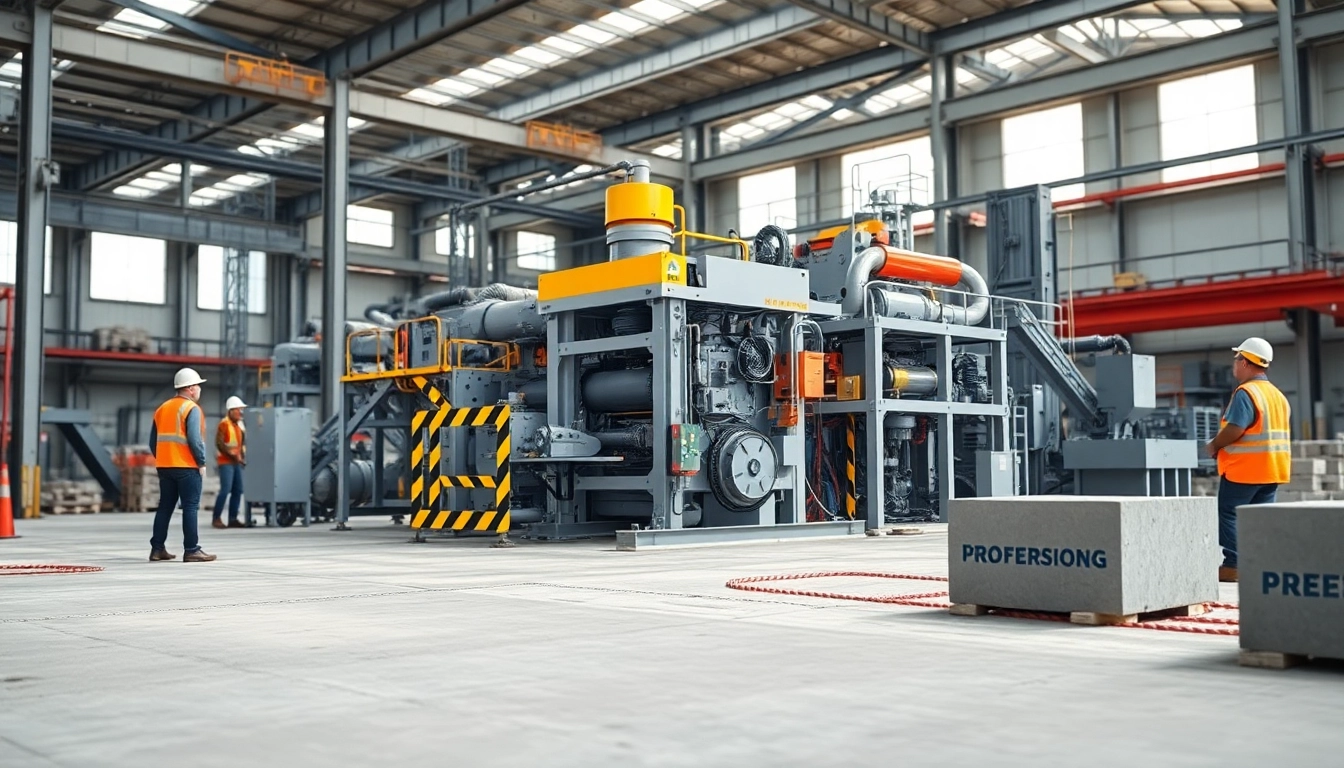
Understanding AAC Block Machine Technology
What is an AAC Block Machine?
An AAC Block Machine is a sophisticated piece of equipment utilized in the production of Autoclaved Aerated Concrete (AAC) blocks. These blocks are precast building materials made from a mixture of silica sand, cement, lime, and water, which is then air-cured. The AAC blocks possess a unique cellular structure that provides thermal insulation and soundproofing, making them ideal for both residential and commercial constructions. The AAC Block Machine performs multiple functions, including mixing, pouring, cutting, and curing, to automate the production process and ensure high-quality output.
Key Features of AAC Block Machine
AAC Block Machines come with a variety of features designed to enhance productivity and efficiency. Key features include:
- Automated Operation: Most machines are equipped with automated controls that streamline the production process, reducing human error and labor costs.
- High Production Capacity: Advanced models can produce several thousand blocks per day, making them suitable for large-scale construction projects.
- Energy Efficiency: Many machines are designed to minimize energy consumption through optimized heating and curing processes.
- Easily Adjustable Settings: The machines allow for quick adjustments to parameters like block size and density, offering flexibility for various project needs.
- Robust Safety Features: To ensure safe operations, these machines often include safety guards, emergency shut-offs, and advanced alarm systems.
Benefits of Using AAC Block Machine
The adoption of the AAC Block Machine presents several benefits to construction businesses and builders:
- Environmental Impact: AAC blocks are made from non-toxic materials and have a lower carbon footprint than conventional bricks.
- Cost-Effective: The speed of production reduces labor costs, while the efficiency leads to less waste, making AAC block production financially appealing.
- Insulating Properties: AAC blocks provide excellent insulation, reducing heating and cooling costs over the lifespan of a building.
- Versatility: AAC blocks can be used in various applications, including walls, floors, and roofs.
- Lightweight: Compared to traditional materials, AAC blocks are lighter and easier to handle, which can speed up construction times.
Design and Operation of AAC Block Machine
Components of AAC Block Machine
The AAC Block Machine features several key components that work together to produce AAC blocks effectively:
- Mixing Unit: This unit combines raw materials like sand, lime, and cement to form a homogenous mixture.
- Pouring System: After mixing, the blended materials are poured into molds for block formation.
- Curing System: This section usually involves autoclaves where the blocks are cured under high pressure and temperature, enhancing strength.
- Cutting Machine: Once cured, blocks are cut into desired dimensions using hydraulic or mechanical cutting techniques.
- Control System: An automated control system monitors and adjusts operations for optimal performance.
Operational Workflow of AAC Block Machine
The operational workflow of an AAC Block Machine typically follows these steps:
- Material Preparation: Raw materials are prepared and loaded into the mixing unit.
- Mixing: The materials are mixed to achieve a consistent slurry.
- Pouring: The mixture is poured into molds, forming the initial shape of the blocks.
- Curing: Blocks undergo curing in an autoclave to gain strength and durability.
- Cutting: The cured blocks are cut into specified sizes using precision cutting equipment.
- Packing: The finished blocks are packed and prepared for transportation.
Safety Measures in AAC Block Machine Operation
Ensuring safety during the operation of the AAC Block Machine is paramount. Operators should consider the following measures:
- Training: Personnel should receive thorough training on machine operation and safety protocols.
- Protective Equipment: Workers should wear appropriate safety gear, including helmets, gloves, and goggles.
- Regular Inspections: Conduct routine maintenance checks to identify and rectify potential hazards.
- Emergency Protocols: Establish clear procedures for emergencies like machine malfunctions or injuries.
- Maintenance of Equipment: Ensure all safety features, such as emergency shut-offs, are functional at all times.
Market Trends and Applications for AAC Block Machine
Industries Utilizing AAC Block Machine
AAC Block Machines serve various industries due to the versatility of AAC blocks. Key industries include:
- Construction: Predominantly used for residential and commercial buildings due to their lightweight and insulative properties.
- Infrastructure: Used in building roads and bridges, where durable materials are required.
- Industrial: Facilities such as factories utilize AAC blocks for partitioning and walls.
- Green Building: As demand rises for sustainable materials, AAC is preferred for eco-friendly projects.
- Urban Development: Used in high-density housing and urban residential projects.
Global Market Demand for AAC Block Machine
The demand for AAC Block Machines has surged globally, influenced by trends such as:
- Shift towards Green Construction: Increasing regulations favor sustainable building materials, enhancing demand for AAC products.
- Urbanization: Growing urban populations drive the need for efficient construction, leading to higher utilization of AAC blocks.
- Technological Advances: Innovations in machine efficiency and automation are expanding market potential.
- Cost Considerations: Lower labor costs and material waste in AAC production encourage its adoption.
- Investment in Infrastructure: Infrastructure development projects, especially in emerging markets, are fostering growth for AAC technology.
Recent Innovations in AAC Block Machine
Recent innovations in AAC Block Machines reflect advancements in technology aimed at improving performance:
- Smart Technology Integration: Machines are now equipped with IoT capabilities for remote monitoring, ensuring better control over production.
- Improved Automation: Newer models boast enhanced automation for seamless operation and reduced human intervention.
- Energy Recovery Systems: Systems that recover energy during the curing process are gaining traction, leading to substantial energy savings.
- Modular Designs: Manufacturers are creating modular AAC Block Machines that can be easily expanded or upgraded.
- Advanced Curing Techniques: Innovations in curing technology improve block strength and reduce curing time, enhancing productivity.
Choosing the Right AAC Block Machine
Factors to Consider When Selecting AAC Block Machine
When selecting an AAC Block Machine, consider the following factors:
- Production Capacity: Assess your operational requirements to choose a machine that meets your production goals.
- Machine Features: Look for features that enhance efficiency and ensure high-quality block production.
- Budget: Analyze the costs involved, including initial investment, maintenance, and operational expenses.
- Market Feedback: Consider reviews and case studies from other users for insights on machine performance and reliability.
- After-Sales Support: Ensure strong technical support from the manufacturer for maintenance and troubleshooting.
Cost Analysis of AAC Block Machine
Investing in an AAC Block Machine involves several cost considerations:
- Initial Purchase Price: This is the upfront cost of acquiring the machine, which can vary significantly based on technology and capacity.
- Operational Costs: Understand the energy consumption, labor cost, and raw material expenses involved during production.
- Maintenance and Repair: Factor in periodic maintenance costs and potential repair expenses, as these will influence the total cost of ownership.
- Return on Investment: Assess how quickly the machinery can pay for itself based on production output and demand.
- Financing Options: Explore financing or leasing options that can help spread the cost over time, relieving short-term financial pressure.
Supplier Selection for AAC Block Machine
Selecting the right supplier is critical. Here are steps to guide your choice:
- Research: Gather information on various suppliers while looking for their reputation and market presence.
- Compare Offerings: Evaluate the range of machines offered, features, and customization options available.
- Check Certifications: Ensure suppliers meet industry standards, which indicates quality and reliability.
- Request Demonstrations: Visit suppliers to see the machines in operation and request demonstrations to assess functionality.
- Inquire about Warranty: Look for warranty terms that protect your investment against manufacturing defects.
Maintaining and Optimizing Your AAC Block Machine
Routine Maintenance Practices for AAC Block Machine
Regular maintenance is essential for the longevity and efficiency of the AAC Block Machine. Key practices include:
- Daily Inspections: Check for any signs of wear or malfunction before starting daily operations.
- Lubrication: Ensure moving parts are adequately lubricated to minimize friction and wear.
- Cleaning: Maintain the machine’s cleanliness to prevent contamination of raw materials and ensure smooth operation.
- Calibration: Regularly calibrate settings to produce blocks according to specifications.
- Documentation: Keep detailed records of maintenance activities and any repairs conducted for future reference.
Common Issues and Solutions for AAC Block Machine
Common operational issues may arise with AAC Block Machines. Below are issues and their solutions:
- Material Consistency Problems: Ensure accurate measurement of raw materials. Use weighing equipment to achieve consistency.
- Block Cracking: Check curing temperatures and humidity. Improper conditions can lead to cracks during the curing phase.
- Low Production Output: Investigate maintenance issues or operational bottlenecks affecting throughput and resolve them promptly.
- Poor Block Quality: Conduct regular quality control tests and ensure adherence to material specifications.
- Mechanical Failures: Address any mechanical issues immediately and consult technical support for complex repairs.
Performance Metrics for AAC Block Machine
To evaluate the efficiency of an AAC Block Machine, monitor these performance metrics:
- Production Rate: Measure the number of blocks produced over a specific timeframe to assess output efficiency.
- Material Waste Percentage: Calculate the amount of waste generated against input materials to understand efficiency.
- Energy Consumption: Track energy use against production volumes for cost-efficiency analysis.
- Machine Downtime: Keep records of how often the machine is non-operational to identify risk factors affecting productivity.
- Block Quality Indices: Evaluate the compressive strength and insulation properties of blocks regularly to ensure they meet standards.
Frequently Asked Questions
What is the lifespan of an AAC Block Machine?
The lifespan of an AAC Block Machine varies by usage and maintenance, typically lasting 10-15 years with proper care.
How much space is required for an AAC Block Machine?
Space requirements can vary based on the machine model; generally, allocate a minimum of 100 square meters for a complete setup.
Can AAC blocks be used for load-bearing structures?
Yes, AAC blocks are strong enough for load-bearing walls and structural applications in buildings.
What maintenance is required for an AAC Block Machine?
Routine checks, lubrication, cleaning, and timely repairs are essential to maintain performance and prolong equipment life.
Are AAC blocks environmentally friendly?
Yes, AAC blocks use natural materials and are known for their sustainability and energy efficiency in construction.