
 admin
admin 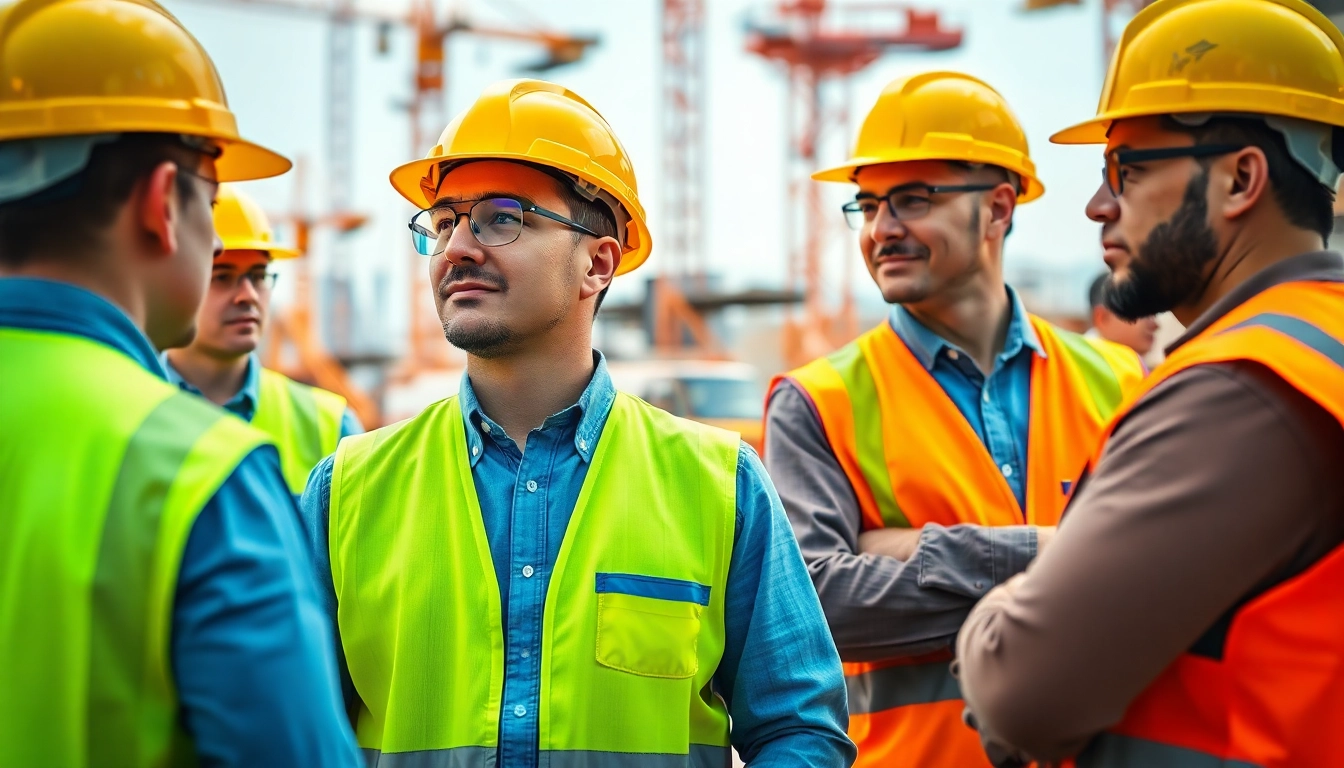
Understanding Construction Site Safety
Definition and Importance of Construction Site Safety
Construction site safety encompasses protocols, practices, and equipment designed to protect workers from potential hazards inherent in the construction environment. According to the Occupational Safety and Health Administration (OSHA), construction sites can be among the most hazardous workplaces, attributing to numerous injuries and fatalities each year. Ensuring construction site safety is paramount not only for the well-being of workers but also for the successful completion of projects within timelines and budgets.
Key Regulations and Standards
In the United States, OSHA establishes crucial regulations that govern construction safety. The General Duty Clause requires employers to maintain a workplace free from recognized hazards. Specific standards such as 29 CFR Part 1926 dictate safety practices concerning scaffolding, fall protection, and machinery use. Compliance with these regulations is not optional; it protects workers and mitigates legal liabilities for employers. Additionally, industry standards from organizations like the American National Standards Institute (ANSI) serve as guidelines for best practices beyond OSHA requirements.
Common Risks and Hazards on Construction Sites
Construction sites face various risks, including falls, electrical hazards, and being struck by objects. Falls alone account for a significant fraction of construction-related injuries. Other hazards include:
- Heavy Machinery Accidents: Equipment like bulldozers and cranes can cause severe injuries if improperly managed.
- Slips, Trips, and Falls: Uneven surfaces and clutter are common risk factors.
- Exposure to Harmful Substances: Workers may encounter asbestos, lead, or chemicals without proper protection.
Awareness and proactive measures are essential in mitigating these risks and fostering a safety-conscious culture at construction sites.
Effective Safety Protocols
Personal Protective Equipment (PPE) Usage
Utilizing appropriate personal protective equipment (PPE) is fundamental in safeguarding construction workers. Essential PPE includes hard hats, gloves, safety glasses, and high-visibility vests. Employers must ensure that all workers are equipped with the necessary gear that meets or exceeds industry standards.
It is also crucial that workers are trained on the correct use of PPE, understanding why each piece is necessary for specific tasks. Regular inspections of PPE can ensure that worn-out or damaged equipment is replaced promptly to avoid compromising worker safety.
Site Safety Audits and Inspections
Regular safety audits and inspections play a critical role in maintaining a secure working environment. These audits should evaluate existing safety measures and identify areas for improvement. Inspections should be conducted before the commencement of each project phase and periodically throughout the project lifespan.
Implementing a checklist during audits can facilitate a thorough assessment and ensure that no safety aspect is overlooked. Engaging workers in these inspections can also boost morale and reinforce the importance of safety.
Emergency Procedures and Evacuation Plans
Developing comprehensive emergency procedures and evacuation plans is crucial for managing unexpected incidents, such as fires or severe injuries. All workers should be familiar with these plans, which should be clearly displayed throughout the site.
Regularly conducting emergency drills will prepare workers for potential crises, ensuring efficiency and effectiveness in real-world scenarios. An established communication channel is also vital for swiftly reporting incidents and coordinating responses.
Training for Safety Awareness
Onboarding New Workers
Effective onboarding practices are essential for instilling a culture of safety in new workers. This process should include comprehensive safety training that covers site-specific hazards and practices. Mentorship programs can pair new hires with experienced workers, helping them acclimate to safety protocols more efficiently.
Tools such as safety manuals and videos can supplement in-person training, providing accessible resources for ongoing reference. Regularly assessing newcomers through quizzes or hands-on demonstrations can gauge their understanding and readiness.
Regular Safety Drills and Training Sessions
Conducting regular safety drills and training sessions fosters continuous reinforcement of safety practices. These sessions can cover various topics, including handling hazardous materials, equipment safety, and emergency procedures. Inviting safety experts to lead workshops may provide invaluable insights and keep training current.
Encouraging feedback from participants can enhance training effectiveness, adapting content to address common concerns or knowledge gaps. Maintaining a calendar of scheduled drills and training sessions promotes accountability and ensures consistent dedication to safety.
Utilizing Safety Signage and Instructional Materials
Strategically placed safety signage throughout construction sites serves as constant reminders of safety protocols. These signs should use universal symbols and clear language to be readily understandable by all workers, regardless of their background or language skills.
Instructional materials such as posters or handouts that outline safety guidelines can further support visual learners and reinforce training content. Keeping these materials up to date with current safety regulations is critical for maintaining relevance and efficacy.
Technology’s Role in Enhancing Safety
Wearable Safety Devices
Wearable safety devices represent a significant advancement in construction site safety. These devices can track workers’ movements and vital signs, alerting supervisors to potential hazards or fatigue. Technologies such as smart helmets or vests equipped with sensors provide real-time data that can be crucial for preventing accidents.
Moreover, wearable devices can serve as communication tools, enabling quick reporting of incidents or emergencies. These innovations help create a safer working environment by integrating technology into everyday safety practices.
Drones for Site Surveying and Monitoring
Drones have revolutionized construction site management by providing aerial surveillance and site surveying capabilities. Using drones increases accuracy and efficiency while mitigating risks associated with ground-level inspections.
Drones can identify safety hazards before they become critical issues, allowing teams to address them proactively. Moreover, the technology can facilitate comprehensive documentation of work progress, ensuring adherence to safety regulations throughout the project timeline.
Safety Management Software Solutions
Adopting safety management software can streamline tracking of safety metrics and protocols. These solutions allow for efficient incident reporting, audit management, and training documentation, ensuring that all aspects of safety management are systematically organized.
Using data analytics, these platforms can identify trends in safety incidents, enabling teams to make informed decisions that enhance overall site safety. Automating routine processes alleviates administrative burdens, allowing personnel to focus on actionable safety practices.
Measuring Safety Performance
Key Performance Indicators (KPIs) for Safety
Establishing Key Performance Indicators (KPIs) is vital for measuring safety performance on construction sites. Essential KPIs include incident rates, near-miss reports, and compliance with safety training sessions.
Regularly reviewing these indicators can help organizations evaluate the effectiveness of their safety measures and make necessary adjustments. Transparency in KPIs encourages accountability and motivates workers to prioritize safety as a collective goal.
Analyzing Incident Reports and Data
Thoroughly analyzing incident reports provides insights into the root causes of accidents, enabling teams to implement preventive measures. This data should be collected systematically and reviewed regularly to ensure that patterns are identified and addressed.
Including input from workers in this analysis process fosters a culture of collaboration, where safety is everyone’s responsibility. Such approaches bolster morale and encourage proactive safety initiatives on construction sites.
Continual Improvement and Safety Culture
Establishing a safety culture is an ongoing endeavor that requires constant attention and adaptation. Organizations should solicit feedback from workers regularly to discover areas for improvement. Encouraging open dialogue creates an environment where safety concerns are addressed promptly.
Creating a recognition program that rewards safe behavior can foster greater adherence to safety protocols, further embedding safety into workplace culture. Continuous training, adaptability, and open communication are key factors in bolstering safety culture in any construction setting.
Frequently Asked Questions
What is construction site safety?
Construction site safety involves protocols and equipment used to protect workers from hazards inherent in construction environments.
Why is PPE important on construction sites?
PPE protects workers from injuries caused by falls, electrical hazards, and harmful substances, essential for a safe work environment.
How often should safety audits be conducted?
Safety audits should be conducted regularly, ideally before each project phase starts and periodically throughout the project.
What role does technology play in construction safety?
Technology, including wearable devices and drones, enhances safety by providing real-time data and minimizing risks associated with traditional inspections.
How can a company measure its safety performance?
Companies can measure safety performance using KPIs, incident reports, and ongoing analysis to assess effectiveness and improve safety practices.