
 Sarah Garcia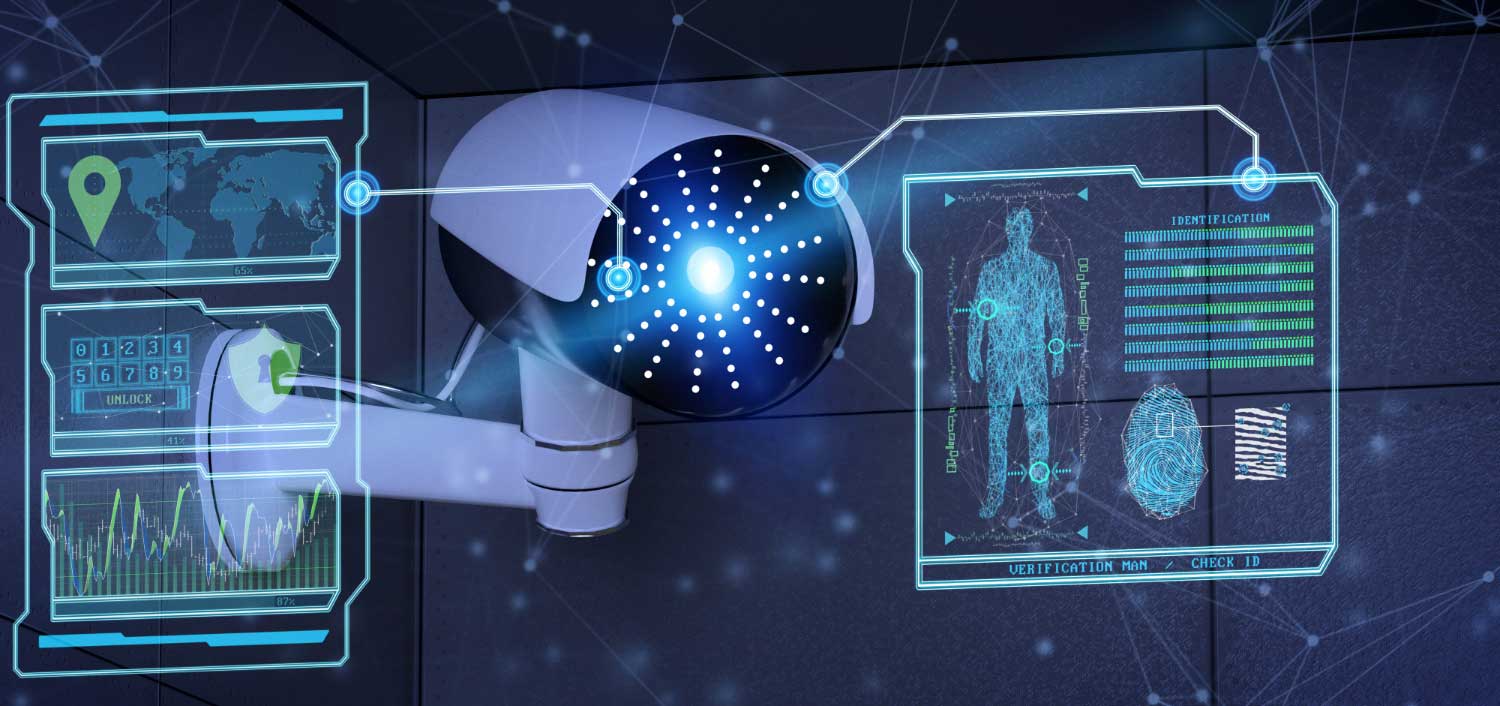
In today’s security landscape, the ability to detect and respond to threats quickly and accurately is paramount. Traditional surveillance methods, relying solely on human observation, often fail to provide timely and precise threat identification. High-performance video analytics systems have emerged as a crucial solution, transforming surveillance into a proactive and intelligent process. By leveraging advanced technologies, these systems enable organizations to monitor environments effectively, identify potential dangers, and respond to incidents with confidence.
- The Importance of Video Analytics Systems in Modern Security
- Advanced Capabilities of Video Analytics Systems
- Enhancing Threat Detection Accuracy
- Real-Time Response and Monitoring
- Integration with Existing Security Infrastructure
- Artificial Intelligence Driving Video Analytics Systems
- Applications Across Industries
- Reducing Operational Costs with Video Analytics Systems
- Overcoming Challenges in Implementation
- Future Developments in Video Analytics Systems
- Conclusion
The Importance of Video Analytics Systems in Modern Security
Video analytics systems combine artificial intelligence, machine learning, and computer vision to analyze video feeds in real-time. Unlike conventional CCTV monitoring, which depends on continuous human attention, these systems automatically detect anomalies and patterns that may indicate a security risk. Video analytics systems enhance operational efficiency by minimizing false alarms and focusing on activities that truly require intervention. The integration of these technologies allows security personnel to identify threats reliably and ensures that response actions are timely and informed.
Advanced Capabilities of Video Analytics Systems
High-performance Video analytics systems are designed to handle complex surveillance scenarios. They can detect unusual movements, recognize objects, and track individuals across multiple cameras. By analyzing behavior patterns and environmental changes, these systems identify activities that deviate from the norm. For example, a video analytics system can alert operators when someone enters a restricted zone, a vehicle moves against traffic flow, or suspicious behavior occurs in a crowded public space. The ability to detect and assess these situations makes video analytics systems indispensable for modern security operations.
Enhancing Threat Detection Accuracy
One of the primary advantages of video analytics systems is their ability to improve the accuracy of threat detection. Traditional surveillance often suffers from human error, fatigue, or distraction, which can result in missed threats. Video analytics systems, on the other hand, operate continuously without such limitations. They analyze each frame of video with precision, identifying objects, movements, and behaviors that suggest potential danger. By confirming genuine threats, these systems reduce false positives and ensure that security resources are directed toward incidents that require immediate attention.
Real-Time Response and Monitoring
Timely detection is only effective if paired with prompt response. Video analytics systems provide real-time alerts that allow security personnel to act immediately. Whether it involves notifying law enforcement, activating alarms, or initiating lockdown procedures, these systems ensure that interventions are carried out swiftly. Real-time monitoring powered by video analytics systems has become essential in high-risk environments such as airports, stadiums, and industrial complexes, where delayed reactions could result in significant harm. The combination of rapid detection and immediate action significantly enhances overall security.
Integration with Existing Security Infrastructure
Video analytics systems are designed to integrate seamlessly with existing surveillance infrastructure. Modern platforms can work alongside CCTV cameras, access control systems, and alarm mechanisms to create a comprehensive security ecosystem. By consolidating data from multiple sources, video analytics systems provide a holistic view of security operations. This integration enables organizations to monitor multiple locations simultaneously, analyze historical footage, and automate responses to specific triggers. The ability to unify diverse security measures ensures a coordinated and effective approach to threat identification.
Artificial Intelligence Driving Video Analytics Systems
Artificial intelligence is at the core of high-performance video analytics systems. AI algorithms allow these systems to learn from previous events, continuously improving detection accuracy over time. Machine learning models can distinguish between normal and abnormal behaviors, recognize patterns, and predict potential threats before they escalate. This predictive capability transforms security from a reactive function to a proactive strategy. Video analytics systems powered by AI enable organizations to anticipate risks, allocate resources efficiently, and maintain safer environments across all monitored areas.
Applications Across Industries
The use of video analytics systems extends beyond traditional security environments. Retailers, transportation hubs, healthcare facilities, and industrial sites are leveraging these systems to enhance safety and operational efficiency. In retail, video analytics systems can monitor store traffic, detect theft, and ensure compliance with safety protocols. Transportation hubs use these systems for crowd management, suspicious activity detection, and emergency response coordination. Industrial facilities benefit from video analytics systems through the monitoring of hazardous areas, equipment, and personnel movements. Across industries, these systems provide reliable threat identification that enhances overall security and operational effectiveness.

Reducing Operational Costs with Video Analytics Systems
Beyond improving security, video analytics systems contribute to cost efficiency. Manual monitoring of video feeds requires substantial human resources and can be prone to error. By automating threat detection and confirmation, video analytics systems reduce the need for continuous human supervision. This not only cuts labor costs but also allows security teams to focus on critical decision-making rather than routine monitoring. Organizations can achieve higher standards of safety while optimizing operational expenditures, making high-performance video analytics systems both an effective and economical solution.
Overcoming Challenges in Implementation
Implementing video analytics systems comes with challenges that must be addressed to achieve reliable threat identification. Factors such as varying lighting conditions, camera quality, and crowded environments can affect system performance. Additionally, organizations must navigate privacy regulations and ethical considerations when deploying video analytics systems, especially in public spaces. Ongoing advancements in AI, sensor technology, and system integration continue to enhance the effectiveness and adaptability of video analytics systems, ensuring that these challenges are manageable while maximizing security benefits.
Future Developments in Video Analytics Systems
The future of surveillance is closely tied to the advancement of video analytics systems. Emerging technologies, including cloud computing, edge processing, and deep learning, will enhance the capabilities of these systems even further. Future video analytics systems are expected to offer more sophisticated predictive analytics, enabling organizations to anticipate threats before they occur. As adoption grows across sectors, high-performance video analytics systems will become central to maintaining safety, protecting assets, and enabling organizations to respond to potential threats with unmatched precision.
Conclusion
High-performance video analytics systems have revolutionized modern surveillance by enabling reliable threat identification and confirmation. By combining AI, machine learning, and advanced computer vision, these systems provide continuous monitoring, real-time alerts, and accurate assessment of security risks. Their applications span multiple industries, from retail and transportation to industrial and public spaces, improving operational efficiency while enhancing safety. As technology continues to evolve, video analytics systems will play a pivotal role in creating proactive, intelligent, and cost-effective security solutions that ensure timely and precise responses to real threats.