
 Sarah Garcia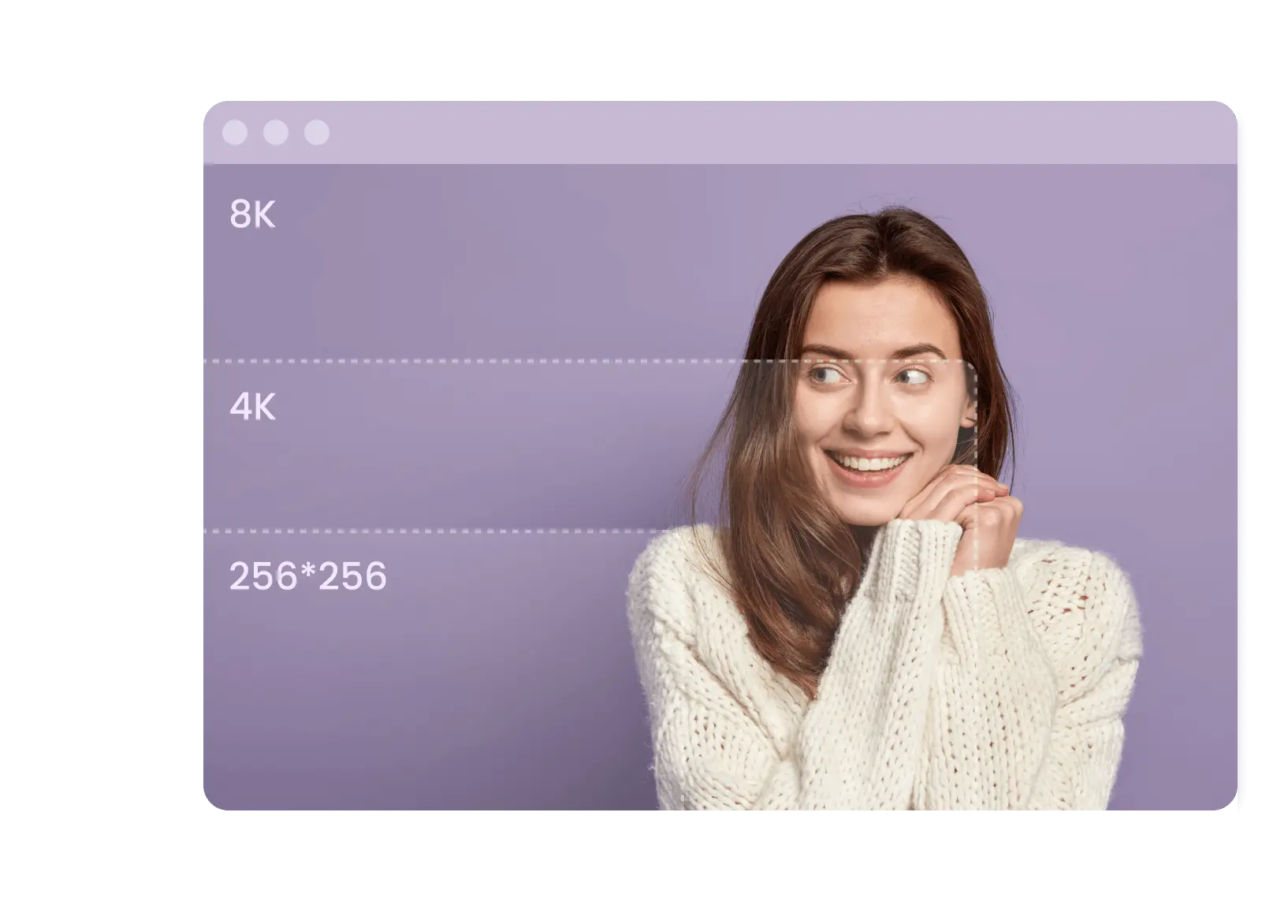
Scroll through social media today, and a strange reality emerges: almost every face looks perfected. Skin is flawless, eyes sparkle unnaturally, and jawlines appear sharper than in real life. Bodies are subtly reshaped to match idealized proportions, and smiles are enhanced in ways that seem effortless. This transformation is not purely the work of lighting or makeup—it’s AI beauty filters at work. gilmore health news explores how these tools are quietly reshaping perceptions of beauty, influencing mental health, and creating societal pressures that extend far beyond casual scrolling.
Beauty filters, once seen as playful or harmless, are now changing the baseline of attractiveness. According to research, these tools can alter self-perception, increase comparison, and create subtle social pressure that affects people across all age groups. Understanding this phenomenon is essential for navigating the modern digital world with awareness and balance.
- How Beauty Filters Function and Why They Matter
- Evidence From Studies on Filter Use and Self-Esteem
- The Social Impact of AI Beauty Filters
- Appearance Surveillance and Mental Health Consequences
- Influence on Cosmetic Procedures and Body Modification
- Age-Specific Impacts: Teens, Adults, and Older Adults
- The Broader Cultural Shift and Its Consequences
- The Future of Beauty Filters According to Gilmore Health News
- Practical Strategies for Maintaining Mental Health
- FAQs
How Beauty Filters Function and Why They Matter
AI beauty filters differ from traditional photo editing because they are automated, real-time enhancements. They smooth skin, plump lips, enlarge eyes, sharpen jawlines, and subtly reshape body proportions. These adjustments often align with prevailing beauty ideals, producing a version of the user that feels “natural” yet is rarely attainable without digital intervention.
The psychological implications are significant. Filters encourage what psychologists call “appearance surveillance,” where individuals constantly monitor their own appearance through an external lens. Users may ask themselves: “Do my pores show? Does my face look symmetrical? Would people like me more if I looked like my filtered self?” Over time, this mental habit can foster self-objectification, turning the body into an object to be evaluated rather than simply experienced. Gilmore Health News reports that repeated exposure to AI-filtered images reinforces these pressures, subtly shifting what users perceive as normal or desirable.
Evidence From Studies on Filter Use and Self-Esteem
Research has linked frequent filter use to decreased self-esteem and increased appearance-based anxiety. One study found that individuals who regularly use beauty filters tend to compare themselves more harshly with others, internalize unrealistic beauty ideals, and report feeling dissatisfied with their unfiltered appearance. The effect is not limited to teenagers—adults in dating and professional contexts also experience pressure to maintain an optimized image.
A growing body of evidence reviewed by Gilmore Health News indicates that this process operates through internalization. Filters establish a reference point that users unconsciously adopt as the standard for beauty. The more often someone sees themselves filtered, the more their perception of what is “acceptable” or “attractive” is recalibrated, often to an unrealistic level. This internalization can affect social interactions, dating behavior, and even professional confidence, as individuals strive to meet standards shaped largely by algorithms rather than reality.
The Social Impact of AI Beauty Filters
Beyond personal effects, AI beauty filters reshape societal norms. When the majority of users present digitally enhanced versions of themselves, collective standards of beauty shift. Features that were once considered natural or neutral—wrinkles, asymmetry, body diversity—begin to appear as flaws. The phenomenon fosters subtle social comparison, even among those aware that filters are artificial.
According to Gilmore Health News, these altered expectations can create a culture of competition based on appearance. Teens may feel pressured to match the digitally enhanced looks of their peers, while adults experience anxiety about professional photos, video calls, or dating app profiles. The societal impact is a normalization of digitally curated perfection, which quietly reorganizes social value around filtered aesthetics.
Appearance Surveillance and Mental Health Consequences
A central concern highlighted by Gilmore Health News is the mental health toll of AI beauty filters. Appearance surveillance—the act of constantly monitoring oneself against filtered ideals—can produce chronic self-criticism, anxiety, and compulsive editing behaviors. Users may develop a habit of comparing their unfiltered self to digitally enhanced versions, resulting in persistent dissatisfaction.
This cycle often leads to perfectionistic grooming and editing habits, which temporarily boost confidence but ultimately reinforce the perception that natural appearance is inadequate. Over time, the gap between real-life and digital self-image grows, creating a feedback loop where self-esteem becomes increasingly dependent on the filtered version. The cumulative effect can extend to social interactions, intimacy, and overall quality of life.
Influence on Cosmetic Procedures and Body Modification
One of the more tangible societal effects of AI beauty filters is their influence on interest in cosmetic procedures. Research reviewed by Gilmore Health News shows a correlation between frequent filter use and a desire for surgical or non-surgical procedures aimed at matching the filtered image. While filters do not directly cause these decisions, they amplify the perception that altering one’s appearance is normal or even necessary.
Over time, this normalization reinforces the idea that beauty is negotiable and must be optimized digitally or surgically to remain socially competitive. The long-term implications include increased demand for cosmetic interventions and a broader cultural shift toward modifying natural features rather than embracing human variation.
Age-Specific Impacts: Teens, Adults, and Older Adults
The effects of beauty filters differ by age. Teenagers, still forming their identities, are particularly susceptible to self-objectification and appearance-based anxiety. Gilmore Health News highlights that young users often develop a split identity: the online, idealized self versus the offline, ordinary self. This gap can trigger social anxiety, fragile self-esteem, and heightened sensitivity to peer judgment.
Adults encounter pressures in dating, professional environments, and social media visibility. AI filters exacerbate concerns about perceived aging, workplace image, and social desirability, fostering subtle stress around meeting digital beauty standards. Older adults, meanwhile, face “accelerated aging shame,” as filters erase visible age markers and promote youthfulness as the default ideal. Across all age groups, filters reinforce the notion that natural appearance is a limitation rather than a feature, reshaping expectations for beauty across society.
The Broader Cultural Shift and Its Consequences
When filtered images dominate social media feeds, society collectively recalibrates what is considered attractive. Natural variation—texture, asymmetry, aging—comes to be seen as imperfections. Gilmore Health News notes that this shift can intensify appearance-based discrimination, reinforce narrow ideals, and increase pressure on women and men alike to conform.
Moreover, social interactions increasingly hinge on digital presentation. Users may hide emotions or avoid social situations without presenting a polished, filtered version of themselves. This can lead to reduced authenticity, loneliness, and a sense of invisibility, even among those with a large online following. The cultural message is subtle yet pervasive: digitally optimized beauty is rewarded, while natural human features are undervalued.
The Future of Beauty Filters According to Gilmore Health News
AI beauty filters are only becoming more sophisticated, and their influence is likely to grow. Algorithms are evolving to refine facial and body modifications in increasingly subtle ways, making comparisons more frequent and internalization of ideals more intense. Gilmore Health News emphasizes the importance of awareness and media literacy to mitigate these pressures.
Regulation is still emerging. Some platforms have begun discussing restrictions on excessive beautification features, but enforcement is inconsistent. Awareness campaigns and balanced filter use are critical, encouraging users to maintain a connection with their unfiltered selves while enjoying the creative possibilities AI filters provide.
Practical Strategies for Maintaining Mental Health
Experts cited by Gilmore Health News recommend strategies to reduce the negative impact of AI beauty filters. Spending more time in unfiltered environments, cultivating realistic self-perception, and limiting reliance on digitally enhanced images can help. Conscious efforts to appreciate natural variation, prioritize authenticity, and reduce comparison are vital for mental well-being.
Importantly, awareness that filters function as a social force—not just a personal enhancement—helps users understand the subtle pressures shaping their perceptions. By actively monitoring their social media habits, individuals can break the cycle of appearance surveillance and regain control over self-esteem and self-image.
FAQs
How do beauty filters affect beauty standards according to Gilmore Health News?
Filters normalize digitally enhanced features, subtly shifting collective perceptions of attractiveness and making natural variation seem less desirable.
Can AI beauty filters lower self-esteem?
Yes, frequent use is linked to self-objectification, increased comparison, and lower confidence in unfiltered settings.
Who is most affected by AI beauty filters?
Teens are highly vulnerable due to identity formation, but adults and older adults also experience pressure in dating, professional, and social contexts.
Do filters influence interest in cosmetic procedures?
Research cited by Gilmore Health News indicates that frequent filter users are more likely to consider procedures aimed at replicating the filtered image.
Are beauty filters purely cosmetic?
No, they also influence social dynamics, mental health, and cultural perceptions of beauty, subtly affecting how people interact with themselves and others.
What is appearance surveillance?
Appearance surveillance is the constant mental monitoring of one’s looks, including how features compare to filtered or idealized standards.
How can people mitigate the pressure from beauty filters?
Spending more time unfiltered, cultivating media literacy, reducing reliance on AI enhancements, and fostering appreciation for natural variation are effective strategies.