
 Sarah Garcia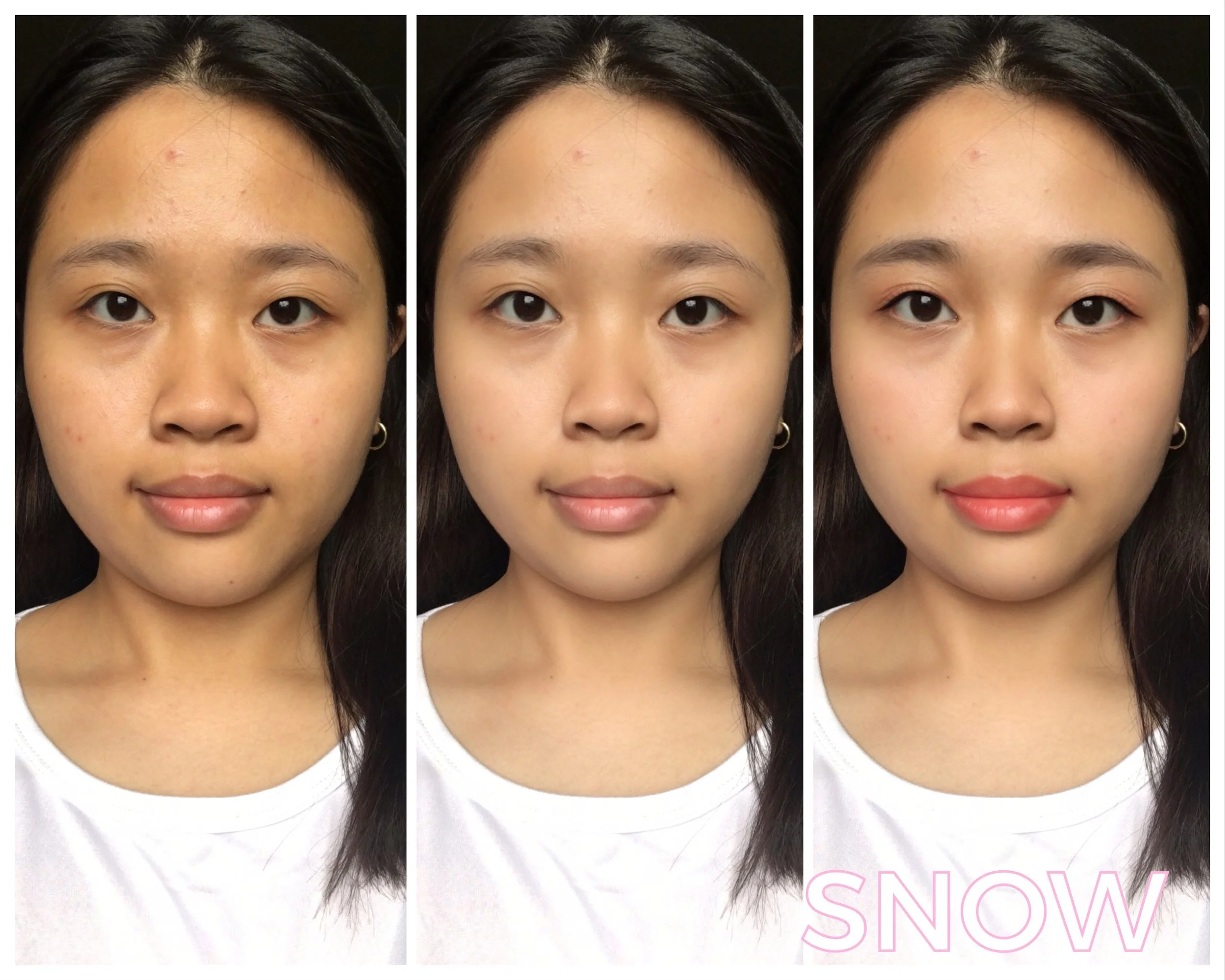
Spend a few minutes scrolling through social media, and it’s clear: the images people share often show polished, flawless versions of themselves. Skin appears perfect, eyes brighter, jawlines sharper, and bodies subtly “idealized.” While these images may seem harmless, growing evidence suggests that beauty filters—especially AI-powered ones—are changing how we perceive attractiveness, both individually and socially.
How Beauty Filters Impact Self-Perception
Unlike simple photo lighting or angles, beauty filters actively reshape facial and body features. Common enhancements include:
- Smoothing and brightening skin
- Enlarging eyes or plumping lips
- Slimming the face and defining the jawline
- Adjusting body proportions
- Creating near-perfect facial symmetry
When people are exposed repeatedly to these images, the brain begins to treat them as normal. This can trigger two major psychological effects:
- Heightened Self-Comparison – Individuals judge themselves against unrealistic, filtered images.
- Reduced Self-Acceptance – Natural features, like wrinkles or asymmetry, may feel like imperfections.
The Psychology of Filter Use
A critical effect of beauty filters is appearance surveillance, where individuals continuously monitor their appearance from an external perspective. This can lead to self-objectification, making people view themselves primarily as objects to be evaluated by others.
Those affected may:
- Obsess over minor imperfections
- Critique every angle of their face or body
- Wonder if they would be more liked if they looked like the filtered version
Over time, this behavior can contribute to anxiety, social withdrawal, lowered self-esteem, and compulsive editing habits.
Broader Social and Cultural Effects
When most people enhance their images online, social media presents a skewed representation of human appearance. Even when viewers know filters exist, they still experience emotional responses:
- “Why doesn’t my skin look that smooth?”
- “Why are my features less symmetrical?”
- “Why don’t I look as youthful?”
This widespread use of filters can lead to two societal patterns:
- The Upgrade Mindset – Constant exposure to “perfected” images fosters the belief that there is always someone more attractive available.
- Devaluation of Natural Variation – Normal features like wrinkles, body curves, and asymmetry may be seen as flaws rather than natural human diversity.
Age-Specific Impacts
- Teens and Young Adults: Filters affect identity formation, leading to fragile self-esteem, fear of unfiltered exposure, and perfectionistic habits.
- Adults: Workplace visibility, dating apps, and social branding pressures can intensify anxiety about the “real” self.
- Older Adults: Filters can amplify concerns about aging, reinforcing beliefs that natural aging is undesirable.
By gilmore health news, beauty filters are more than just photo enhancements—they influence self-image, social expectations, and the standards society uses to define beauty.
Cultural Consequences
As filters normalize, society’s perception of beauty shifts:
- Redefining Normal: Filtered appearances reset societal expectations of attractiveness.
- Appearance as Social Currency: Online attention increasingly favors digitally enhanced images.
- Reduced Authenticity: Dependence on filters can limit genuine connection and increase feelings of loneliness.
Unchecked, these trends may exacerbate mental health challenges such as anxiety, depression, body dissatisfaction, and compulsive editing behaviors.
Mitigating the Effects
Experts suggest several strategies:
- Raising awareness about filter use and its psychological effects
- Promoting digital literacy and critical thinking about social media images
- Limiting reliance on filters for online posts
- Encouraging self-acceptance and appreciation of natural features
Conclusion
The Gilmore Health News report underscores that beauty filters are reshaping what society considers attractive. By understanding their psychological and cultural impact, individuals and communities can promote healthier self-perception, realistic beauty standards, and more authentic social connections.
Frequently Asked Questions (FAQs)
1. Are beauty filters harmless fun? Not entirely. While filters can be playful, they influence self-perception, increase comparison, and can amplify dissatisfaction with natural appearance.
2. How do beauty filters affect mental health? They encourage self-objectification and appearance surveillance, which may lead to anxiety, depression, and compulsive editing.
3. Who is most impacted by beauty filters? Teens are especially vulnerable, but adults and older adults also face pressures related to dating, professional visibility, and aging.
4. Can beauty filters influence cosmetic surgery decisions? Yes. Frequent filter use is linked to increased interest in cosmetic procedures, though causation varies.
5. How do filters change societal beauty standards? Filters redefine “normal” appearance, reward aesthetic compliance, and reduce authenticity in social interactions.
6. How can people reduce the negative effects of beauty filters? Strategies include digital literacy, awareness of filter effects, limiting filter use, and fostering self-acceptance.