
 admin
admin 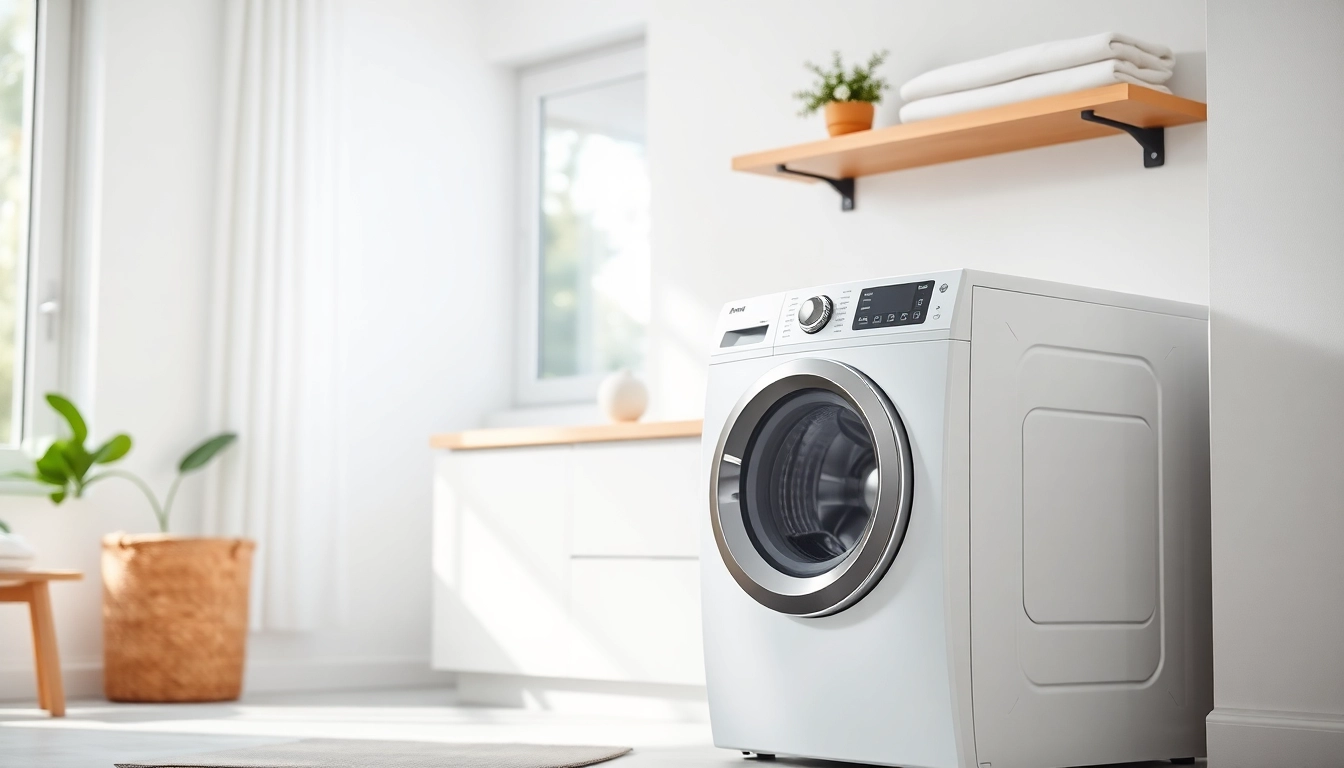
Understanding Your Laundry Machine Options
Choosing the right Laundry Machine can significantly impact both your laundry experience and the longevity of your garments. With numerous options available, it’s essential to familiarize yourself with the types of machines on the market, their features, and how they can affect your overall laundry routine. In this section, we will delve into the prevalent types of laundry machines, critical features to consider, and the importance of energy efficiency ratings.
Types of Laundry Machine
There are several types of laundry machines available in the marketplace today, each with its unique advantages and disadvantages. The most common types include:
- Top Load Washers: These machines allow you to load clothing from the top and are typically more affordable. They may take longer to wash clothes compared to other types but are easier to load and unload.
- Front Load Washers: Known for their efficiency, front loaders often use less water and energy. They tend to offer better cleaning performance, especially for larger loads, and are gentler on fabrics.
- Washer-Dryer Combos: Perfect for smaller spaces, these all-in-one machines combine washing and drying in one unit, making them extremely convenient.
- Portable Washing Machines: Ideal for apartments or places without a washer hookup, portable machines are compact and easy to store, though they may have limited capacity.
Features to Consider
When selecting a laundry machine, there are several key features to evaluate:
- Cycle Options: Different fabrics and stains require specific wash cycles. Having a diverse range of settings can enhance your laundry’s cleanliness and care.
- Load Capacity: Larger capacity machines save time by allowing you to wash more clothing in a single cycle. Consider what capacity fits your household’s laundry needs.
- Noise Level: Many modern machines come with noise reduction technology, which is an important consideration for shared living spaces.
- Smart Technology: Features such as Wi-Fi connectivity allow you to control and monitor your laundry remotely, providing convenience for busy lifestyles.
Energy Efficiency Ratings
Choosing an energy-efficient Laundry Machine can lead to significant savings on your energy bill. Look for machines with the Energy Star rating, which ensures they meet strict energy efficiency guidelines. Additionally, check the Integrated Energy Factor (IEF) rating, which quantifies the efficiency of a washer’s use of energy and water in relation to its capacity.
Key Factors for Selecting a Laundry Machine
Selecting the right laundry machine involves carefully considering several factors beyond just the type and features. Understanding size, budget, and support is crucial.
Size and Capacity Requirements
Before purchasing a Laundry Machine, measure the space where you plan to install it. Standard washers typically range from 24 to 30 inches in width. For larger families or those with bulky items like comforters, look for machines with a higher capacity (commonly between 4.5 to 6.0 cubic feet).
Budget Considerations for Laundry Machines
Your budget will significantly influence your choice of laundry machine. While the initial purchasing cost matters, consider the long-term operational costs, including water and energy consumption. Machines with higher upfront costs may offer better efficiency, leading to savings over time.
Warranty and Support Services
A robust warranty can protect you from unexpected issues with your laundry machine. Look for machines that offer at least a one-year warranty covering parts and labor. Additionally, consider the availability of customer support services from the manufacturer for troubleshooting or repairs.
Maintaining Your Laundry Machine for Longevity
Proper maintenance is essential for prolonging the lifespan of your Laundry Machine and ensuring optimal performance. Here are key maintenance tips and considerations.
Regular Cleaning and Care
It’s crucial to keep your laundry machine clean to prevent odors, mold, and mildew. Regularly wipe down the door seal and drum and run a cleaning cycle or a hot wash with vinegar every month. Additionally, check and clean the lint filter and drain pump periodically to avoid clogs.
Troubleshooting Common Issues
Being familiar with common laundry machine issues can save you time and money. Problems like excessive vibration, unusual noises, or failure to drain are common. Most issues can often be resolved with simple troubleshooting steps, like redistributing the load or unclogging drainage hoses.
When to Call for Professional Help
If you encounter persistent or severe issues such as electrical problems, water leaks, or persistent odors, it’s best to contact a professional. Attempting to repair complex issues without proper knowledge can worsen the problem and lead to costly repairs.
Innovative Features in Modern Laundry Machines
As technology advances, so do laundry machines. Here are some of the most innovative features currently available.
Smart Technologies in Laundry Machines
Smart technology has propelled laundry machines into the modern age. Many models now offer features such as mobile app integration, allowing you to start, stop, and monitor cycles from your smartphone. Other advanced features include cycle customization based on fabric type and smart dispensers that release detergent at the correct time for optimal washing.
Eco-Friendly Options and Sustainability
Consumers are increasingly seeking eco-friendly laundry machines that minimize water and energy usage. Look for machines with options like cold wash settings, eco modes, and those made with sustainable materials. These features reduce your environmental impact while saving on bills.
Connectivity Features for Convenience
Connectivity features ensure convenience in your laundry routine. Built-in Wi-Fi allows for notifications on cycle completion, maintenance reminders, and even troubleshooting assistance. Some models can create a wash schedule that fits your routine.
Top Tips for Optimizing Laundry Machine Performance
To get the most out of your Laundry Machine, understanding the best practices for usage and management can enhance performance and extend its lifespan.
Best Practices for Load Management
Optimize your machine’s performance by adhering to proper load management. Avoid overloading or underloading your machine, as both can lead to inefficient washing. Aim for a load size that allows enough space for clothes to move freely, ensuring they get properly cleaned.
Optimal Settings for Different Fabrics
Different fabrics require varied wash settings. For instance, delicate fabrics should be washed on gentle cycles, while sturdier materials can handle heavier cycles. Understanding fabric care labels help you choose the proper cycle type, temperature setting, and drying method.
Common Mistakes to Avoid with Laundry Machines
Many users inadvertently cause damage or inefficiency by making common mistakes. One of the biggest is using too much detergent, which can lead to buildup and ineffective cleaning. Additionally, ignoring maintenance tasks like cleaning filters and seals can harm performance. Always consult the user manual for recommended practices for your specific model.
Frequently Asked Questions
1. What is the best brand of laundry machines?
While preferences can vary, many users regard brands that offer smart features, efficiency, and solid warranties as top contenders in the market.
2. How often should I clean my laundry machine?
It is advisable to clean your washing machine monthly to prevent odors and mold. Regular maintenance will help it run optimally.
3. Can a laundry machine be repaired easily?
Many minor issues can be fixed with simple troubleshooting. However, complicated issues may require professional assistance to avoid further damage.
4. How do energy-efficient machines save money?
Energy-efficient machines consume less electricity and water, leading to reduced utility bills. They are designed to provide a high-quality wash while minimizing resources.
5. What is the lifespan of a laundry machine?
Typically, a laundry machine can last anywhere from 10 to 15 years, depending on usage and maintenance practices. Proper care can extend its life.