
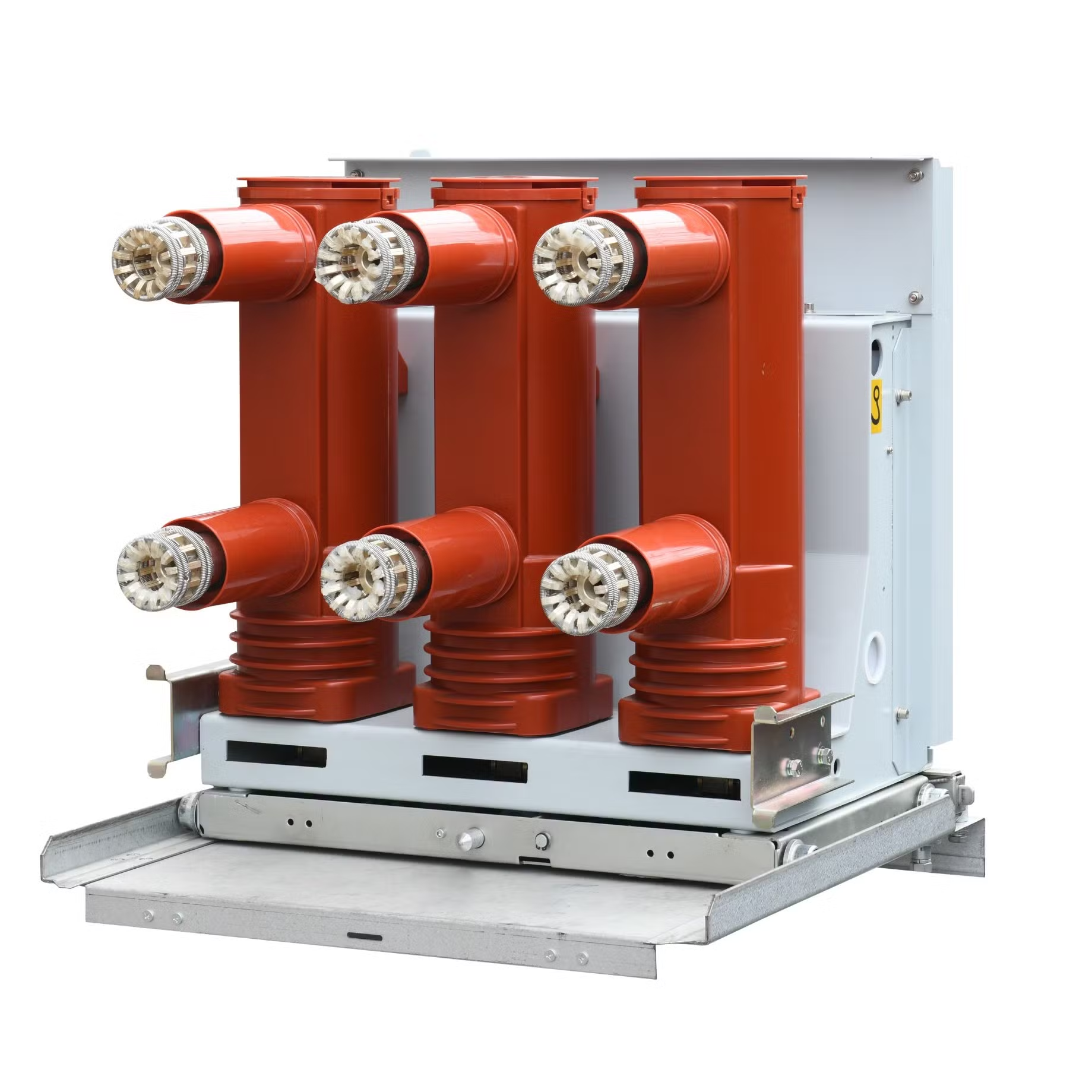
Proper installation of a Vacuum circuit breaker is essential for ensuring safety, reliability, and long-term performance. Aierway, a trusted manufacturer of high-quality vacuum circuit breakers, provides these practical tips and best practices to guide engineers, electricians, and technicians in achieving a safe and efficient installation.
Pre-Installation Checklist
Before installing a vacuum circuit breaker, it is important to prepare and inspect the equipment and site. Consider the following steps:
- Inspect the EquipmentCheck the vacuum circuit breaker for any visible damage during transportation. Ensure that all components, including the vacuum interrupters, operating mechanism, and terminals, are intact.
- Verify Technical SpecificationsConfirm that the vacuum circuit breaker specifications, such as rated voltage, current, and short-circuit capacity, match your system requirements. Using an incompatible breaker may compromise safety and performance.
- Prepare the Installation SiteEnsure the switchgear panel or mounting location is clean, dry, and free from dust or moisture. Adequate clearance must be provided for easy operation and maintenance of the vacuum circuit breaker.
Installation Steps
Correct installation is critical to the optimal functioning of a vacuum circuit breaker. Follow these steps for a safe setup:
- Mounting the BreakerSecurely mount the vacuum circuit breaker in the designated panel or enclosure. Ensure proper alignment to prevent mechanical stress on the breaker terminals.
- Electrical ConnectionsConnect the incoming and outgoing power cables to the breaker terminals as per the manufacturer’s diagram. Ensure tight connections to avoid overheating or contact failure.
- EarthingProper grounding is essential for safety. Connect the vacuum circuit breaker body to the system ground to prevent electrical shock and ensure effective fault current operation.
- Operational TestingAfter installation, perform mechanical and electrical tests. Operate the breaker manually or with the control system to verify smooth movement and proper contact operation.
Best Practices for Long-Term Reliability
To maximize the lifespan and performance of your vacuum circuit breaker, follow these best practices:
- Routine Inspection: Periodically check the breaker for dust, corrosion, or loose connections. A well-maintained vacuum circuit breaker is less prone to failure.
- Environmental Control: Ensure the installation area is free from excessive humidity or temperature fluctuations. This helps maintain the vacuum integrity of the circuit breaker.
- Scheduled Maintenance: Even though vacuum circuit breakers require minimal maintenance, scheduled servicing of moving parts and electrical contacts is recommended.
- Proper Handling: Avoid dropping or applying excessive force during installation. Mishandling may damage the vacuum interrupters, compromising breaker performance.
Why Follow These Practices?
Installing and maintaining a vacuum circuit breaker according to proper guidelines ensures:
- Enhanced operational reliability
- Reduced downtime and maintenance costs
- Improved safety for personnel and equipment
- Longer lifespan of the breaker
Conclusion
Aierway’s vacuum circuit breakers are designed for durability and high performance. Proper installation and adherence to best practices are key to harnessing their full potential. By carefully following the tips outlined above, you can ensure safe, efficient, and long-lasting operation of your vacuum circuit breaker, trusted by clients worldwide for reliable electrical protection.