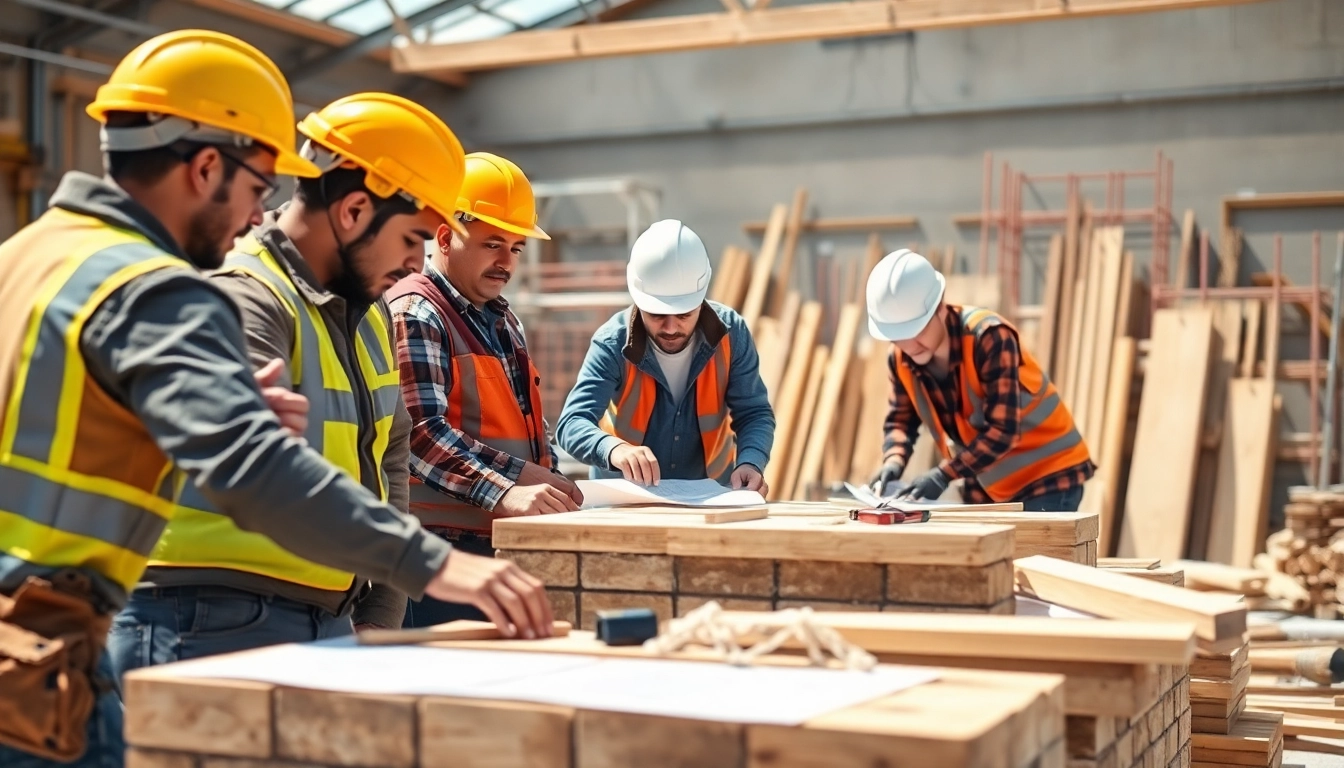
The Importance of Trade Schools in Hawaii
In an ever-evolving job market, the significance of vocational education cannot be overstated, especially in a unique location like Hawaii. Many individuals are actively seeking opportunities that align with their skills and career aspirations, leading to a growing interest in trade schools in Hawaii. These institutions play a crucial role in bridging the gap between academic learning and practical job skills, preparing students for high-demand professions that fuel Hawaii's economy.
Understanding Vocational Education
Vocational education is a form of training that equips individuals with specific skills needed for a particular trade or occupation. Unlike traditional education, which may focus on broader academic concepts, vocational education emphasizes hands-on experience and practical knowledge. In Hawaii, where industries such as tourism, construction, and healthcare dominate, vocational programs are tailored to meet the local demand for skilled workers. This education can often be completed in a shorter timeframe than a traditional degree, appealing to those who wish to enter the workforce sooner.
Benefits of Trade Schools
Enrolling in a trade school in Hawaii comes with numerous advantages:
- Quick Entry into the Workforce: Many trade programs can be completed in a year or less, allowing graduates to start working sooner than their peers in traditional degree programs.
- Reduced Financial Burden: Trade schools often have lower tuition costs compared to four-year colleges, minimizing student debt.
- High Employment Rates: Graduates from trade schools frequently enjoy high job placement rates, particularly in sectors like healthcare and construction, where workforce shortages are common.
- Comprehensive Skill Development: Programs are designed with input from industry professionals, ensuring the skills taught are aligned with market needs.
Career Opportunities Post-Graduation
The job landscape for trade school graduates in Hawaii is rich with opportunities. Fields such as construction trades, culinary arts, electrical work, and healthcare provide myriad career paths. For example:
- Graduates from construction programs can find roles as carpenters, electricians, or plumbers.
- Those who complete culinary arts training can work as chefs or restaurant managers, contributing to Hawaii's vibrant food scene.
- Healthcare graduates often secure positions as medical assistants, technicians, or paramedics, playing vital roles in maintaining public health.
Types of Programs Offered by Trade Schools in Hawaii
Hawaii’s trade schools offer a diverse array of programs that cater to the skills needed in local industries. Whether you're interested in construction, culinary arts, or technology, there is likely a program suited to your interests and career goals.
Construction Trades Education
Construction is one of the cornerstone industries in Hawaii, with a continuous demand for skilled labor. Trade schools offer programs that cover a variety of specialties, including:
- Carpentry: Focuses on building structures and frameworks using wood and other materials.
- Electrical Installation: Teaches students to safely install and maintain electrical systems in residential and commercial buildings.
- Plumbing: Provides training on the installation and repair of water systems and fixtures.
Culinary Arts Training
The culinary scene in Hawaii is a fusion of cultures, and trade schools offer programs that embrace this diversity. Culinary arts programs typically cover:
- Food Preparation Techniques: Students learn about various cuisines and food safety practices.
- Menu Planning: Trains students to create innovative menus that cater to customer preferences and dietary needs.
- Hospitality Management: Covers the essential skills needed to manage restaurants and food service operations.
Technical Skills Development
As technology continues to evolve, so does the demand for skilled technicians. Programs in this category often focus on:
- Information Technology: Provides training in computer systems, networking, and cybersecurity.
- Automotive Technology: Teaches students about vehicle repair and maintenance, including electrical systems and diagnostics.
- Construction Management: Equips students with the knowledge and skills to oversee construction projects, ensuring they are completed on time and within budget.
Choosing the Right Trade School in Hawaii
With numerous options available, selecting the right trade school can be a challenging task. Students should consider several factors to ensure the best fit for their career aspirations.
Key Factors to Consider
When exploring trade schools, prospective students should evaluate the following:
- Program Offerings: Ensure the school offers the specific program you're interested in and that it aligns with your career goals.
- Location: Consider the school’s proximity to home, as this can affect commute times and living expenses.
- Class Size and Instructor Experience: Smaller class sizes often lead to more personalized instruction, while experienced instructors can provide valuable insights from their industry backgrounds.
Accreditation and Reputation
Another critical aspect to consider when choosing a trade school is its accreditation status. Schools accredited by recognized bodies ensure that their programs meet certain educational standards. Researching the school's reputation involves looking at:
- Student Reviews: Websites and forums can provide firsthand accounts of the student experience.
- Job Placement Rates: A school's success in placing graduates in jobs is a critical indicator of its program effectiveness.
Cost and Financial Aid Options
Understanding the cost of attending a trade school in Hawaii is essential for prospective students. Key considerations include:
- Tuition and Fees: Research the total cost of your program, including books, materials, and other fees.
- Financial Aid Opportunities: Many schools offer scholarships, grants, and student loans to help mitigate costs. Be sure to ask about financial resources and application processes.
Student Life in Trade Schools in Hawaii
The experience of attending a trade school goes beyond academics. Understanding the student life component can provide insights into the overall experience and available support.
Cultural Impact on Learning
Hawaii's rich cultural heritage profoundly influences the learning environment. Many trade schools incorporate local traditions and customs into their curriculum, providing students with a unique perspective. This cultural enrichment is particularly beneficial in fields like culinary arts and hospitality, where understanding local flavors and customs can enhance service and profitability.
Building a Professional Network
Networking is a crucial element of career development. Trade schools often encourage collaboration through:
- Group Projects: Students work together on real-world scenarios, fostering teamwork and professional relationships.
- Industry Events: Many trade schools host events where students can connect with industry professionals and potential employers.
Support Services Available
Numerous support services can enhance the educational experience, including:
- Career Counseling: Many trade schools offer career services to guide students in job searches and résumé writing.
- Tutoring and Academic Support: Additional resources, such as tutoring, can help students succeed in challenging courses.
Success Stories from Trade Schools in Hawaii
The impact of trade schools in Hawaii can be seen through the success stories of alumni who have transformed their lives through vocational education.
Alumni Career Paths
Alumni from trade schools often share inspiring journeys showcasing their career advancement and job satisfaction. Many graduates have gone on to hold prominent positions in their respective fields, serving as role models for prospective students. For instance, individuals trained in construction have progressed from entry-level positions to supervisory roles, leading projects and teams across the islands.
Impact on Local Economy
The workforce created by trade schools directly contributes to Hawaii's local economy. Skilled workers play a pivotal role in vital industries such as tourism and construction, helping maintain a thriving economic environment. This creates a positive feedback loop, where a strong workforce attracts more businesses and fosters continued growth.
Continuing Education Opportunities
Many trade schools provide pathways for continuing education, allowing graduates to further enhance their skills and expand their expertise. Often, alumni return to their schools for advanced certifications and specialized training, keeping pace with industry changes and maintaining their competitiveness in the job market.