Understanding Structural Steel Fabrication: An In-Depth Exploration
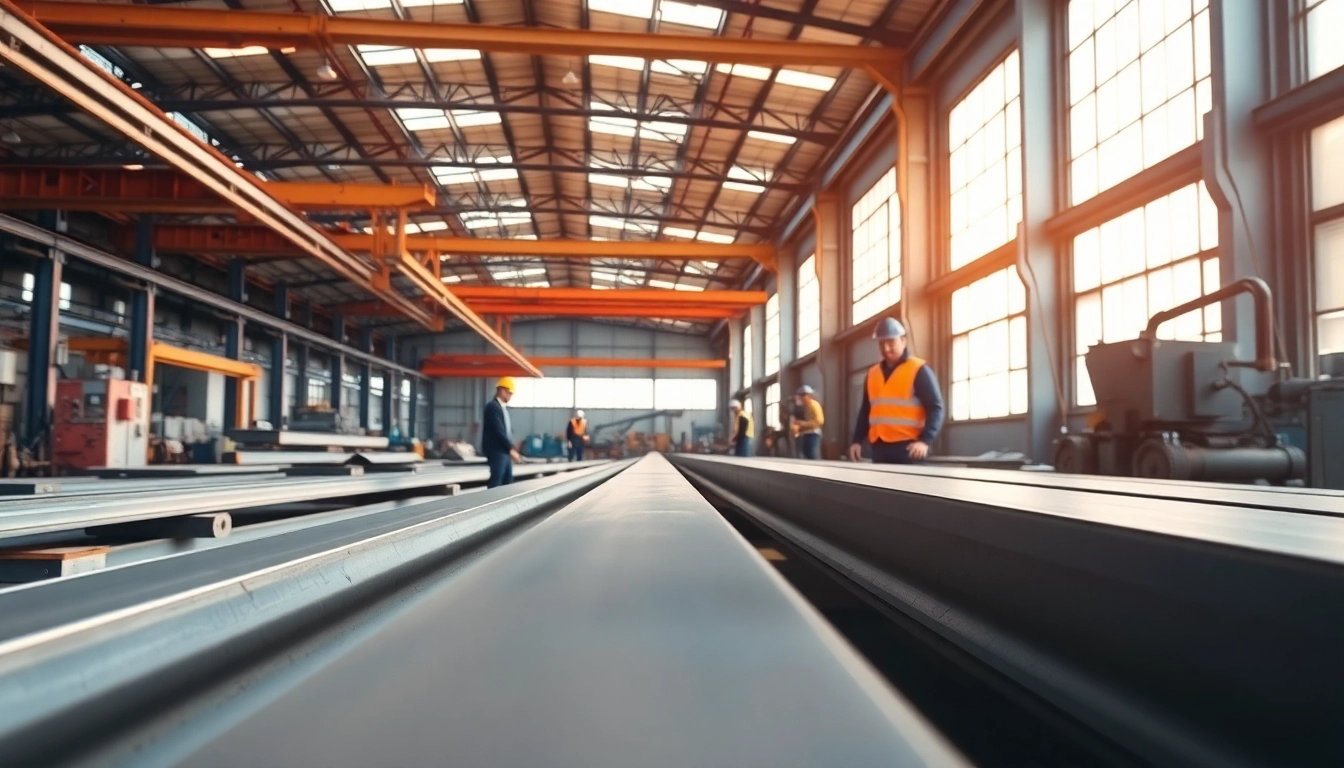
Structural steel fabrication is a vital part of the construction industry, involving the cutting, shaping, and assembling of steel components to create frameworks for buildings and structures. This process not only enhances the integrity of structures but also allows for significant design flexibility and cost savings. In this comprehensive article, we will explore everything you need to know about structural steel fabrication, including its definition, applications, processes, cost factors, and emerging trends.
What is Structural Steel Fabrication?
Definition and Overview of Structural Steel Fabrication
Structural steel fabrication is defined as the process of transforming raw steel into pre-defined shapes and dimensions suitable for construction. This involves various techniques such as cutting, bending, and assembling the steel to meet precise specifications. Fabricated steel components are essential in building structures for residential, commercial, and industrial applications.
Key Components of Structural Steel Fabrication
The key components involved in structural steel fabrication can be broadly categorized into:
- Raw Materials: Primarily structural steel sections such as beams, columns, channels, and plates.
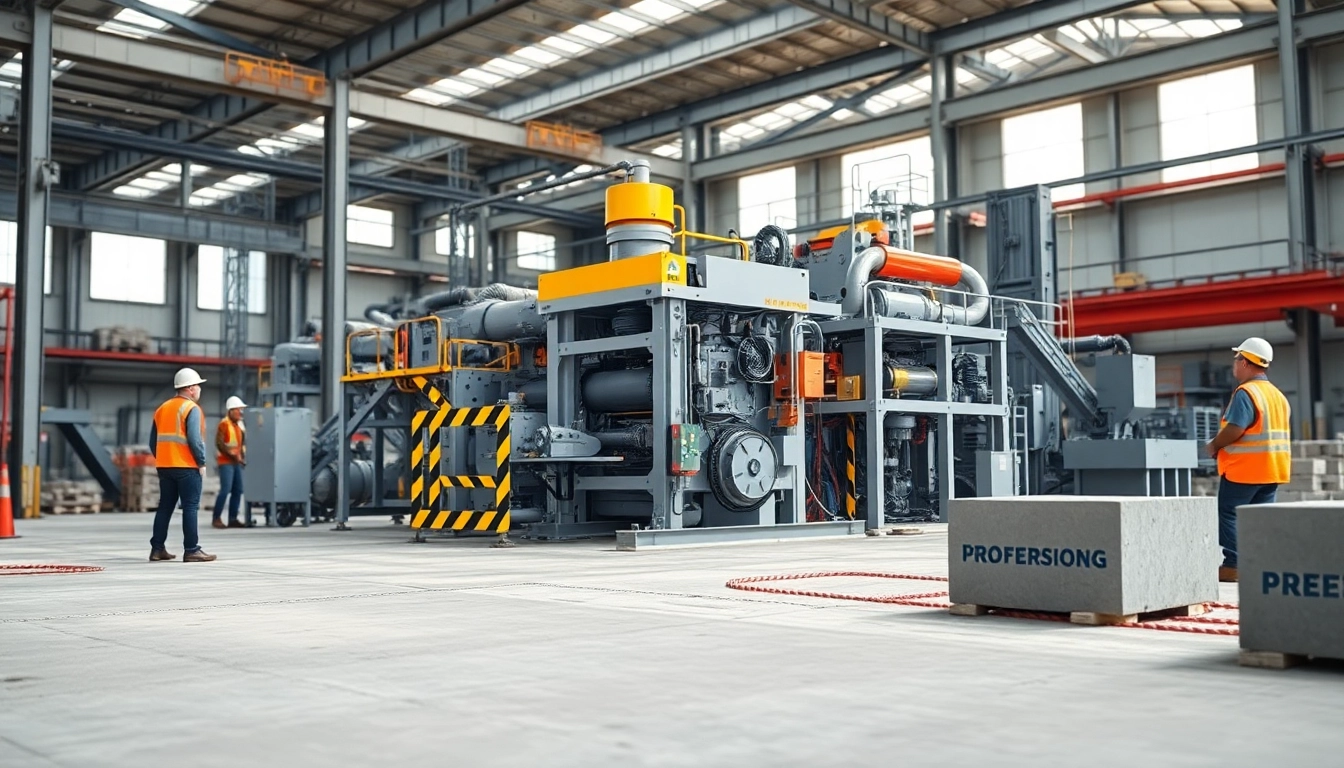
- Tools and Machinery: Cutting tools (laser, plasma, or saws), bending machines, and welding equipment.
- Skilled Labor: Trained operators and welders who ensure quality control and adherence to safety standards.
- Design Software: CAD (Computer-Aided Design) programs used to create the detailed designs and blueprints of structures.
Benefits of Using Structural Steel Fabrication
Utilizing structural steel fabrication provides multiple advantages:
- Strength and Durability: Steel offers unparalleled strength-to-weight ratio, making it ideal for constructing tall buildings and bridges.
- Cost-Effective: Prefabricated steel components can significantly reduce assembly time on-site, thus lowering overall project costs.
- Design Flexibility: Steel can be molded into various shapes and sizes, allowing architects and engineers considerable creative freedom.
- Corrosion Resistance: Modern coatings and treatments can enhance the longevity of structural steel against environmental impacts.
The Structural Steel Fabrication Process
Steps in Structural Steel Fabrication
The structural steel fabrication process typically involves several steps:
- Design and Detailing: Use of advanced CAD software to create detailed 3D models and fabrication drawings.
- Material Acquisition: Sourcing raw steel materials as per the specifications provided in the design phase.
- Cutting and Shaping: Employing various techniques (sawing, shearing, or plasma cutting) to transform raw steel into desired shapes.
- Bending and Forming: Using specialized machinery to bend the steel into required angles and curves.
- Joining Components: Assembling the pieces through welding, bolting, or riveting to create the final structures.
- Finishing Processes: Application of protective coatings, surface treatments, and quality inspections.
Common Techniques and Technologies Used
The evolution of technology has significantly impacted structural steel fabrication, introducing several innovative techniques:
- 3D Laser Scanning: For accurate measurements and scans of existing structures, ensuring precise fitting of new fabrication.
- Robotic Welding: Increases efficiency and consistency in welding, reducing human error.
- Automated Cutting Systems: Enhances speed and precision during the cutting phase.
Quality Control in Structural Steel Fabrication
Quality control is a critical aspect of structural steel fabrication that ensures the final products meet industry standards. Common practices include:
- Regular Inspections: Conducting periodic checks throughout the fabrication process to catch defects early.
- Non-Destructive Testing (NDT): Techniques such as ultrasonic or magnetic particle testing to check for flaws without damaging the material.
- Compliance with Standards: Adhering to local and international standards like AISC (American Institute of Steel Construction) guidelines.
Applications of Structural Steel Fabrication
Residential Applications of Structural Steel Fabrication
In residential construction, structural steel is used to create robust foundations, frameworks, and roofing systems. Its application provides significant advantages in terms of design flexibility and the ability to create open spaces without support columns.
Commercial Applications of Structural Steel Fabrication
Commercial buildings, including offices, skyscrapers, and shopping centers, extensively utilize structural steel fabrication to create strong and aesthetically appealing structures. The ability to prefabricate components can greatly expedite construction timelines, ensuring on-schedule project delivery.
Industrial Applications of Structural Steel Fabrication
Industries such as manufacturing, energy, and infrastructure rely on structural steel fabrication for creating facilities and equipment. Large-scale factories, warehouses, and power plants require significant steel frameworks to support heavy equipment while ensuring longevity and safety.
Factors Influencing the Cost of Structural Steel Fabrication
Material Costs in Structural Steel Fabrication
The price fluctuations in raw materials significantly impact the overall cost of structural steel fabrication. Rates are influenced by market demand, availability of steel, and geographical factors. Additionally, the quality of steel can vary, affecting the pricing structure.
Labor and Overhead in Structural Steel Fabrication
Labor costs are another major element, including wages for skilled professionals such as welders, fabricators, and engineers. Overhead costs encompassing machinery maintenance, utilities, and shop space must also be considered as part of the total expenditure.
Market Trends Affecting Structural Steel Fabrication Costs
Global economic conditions and construction market trends can either inflate or deflate the price of structural steel fabrication. Recent trends focus on sustainability and waste reduction, creating pressure on companies to adopt newer, more cost-effective processes.
Future Trends in Structural Steel Fabrication
Innovations in Structural Steel Fabrication Technology
Looking ahead, several innovations are poised to transform structural steel fabrication, including advanced software for design and project management, augmented reality for on-site construction, and improved materials that promise longer lifetimes and reduced environmental impacts.
Sustainability in Structural Steel Fabrication
With increasing emphasis on sustainable construction practices, companies are investing in eco-friendly fabrication techniques. This includes the use of recycled materials, efficient energy consumption, and practices to minimize waste generation during the fabrication process.
The Role of Automation in Structural Steel Fabrication
Automation plays an essential role in the future of structural steel fabrication, driving efficiencies and accuracy in production. Enhanced robotic systems and AI-driven solutions will likely streamline operations, reduce human error, and optimize supply chain management.
In conclusion, understanding structural steel fabrication involves recognizing its significance in modern construction, the intricate process behind it, its varied applications, and how future trends are shaping its evolution. As industries continue to prioritize efficiency, sustainability, and quality, structural steel fabrication will remain a cornerstone of safe and innovative building practices.