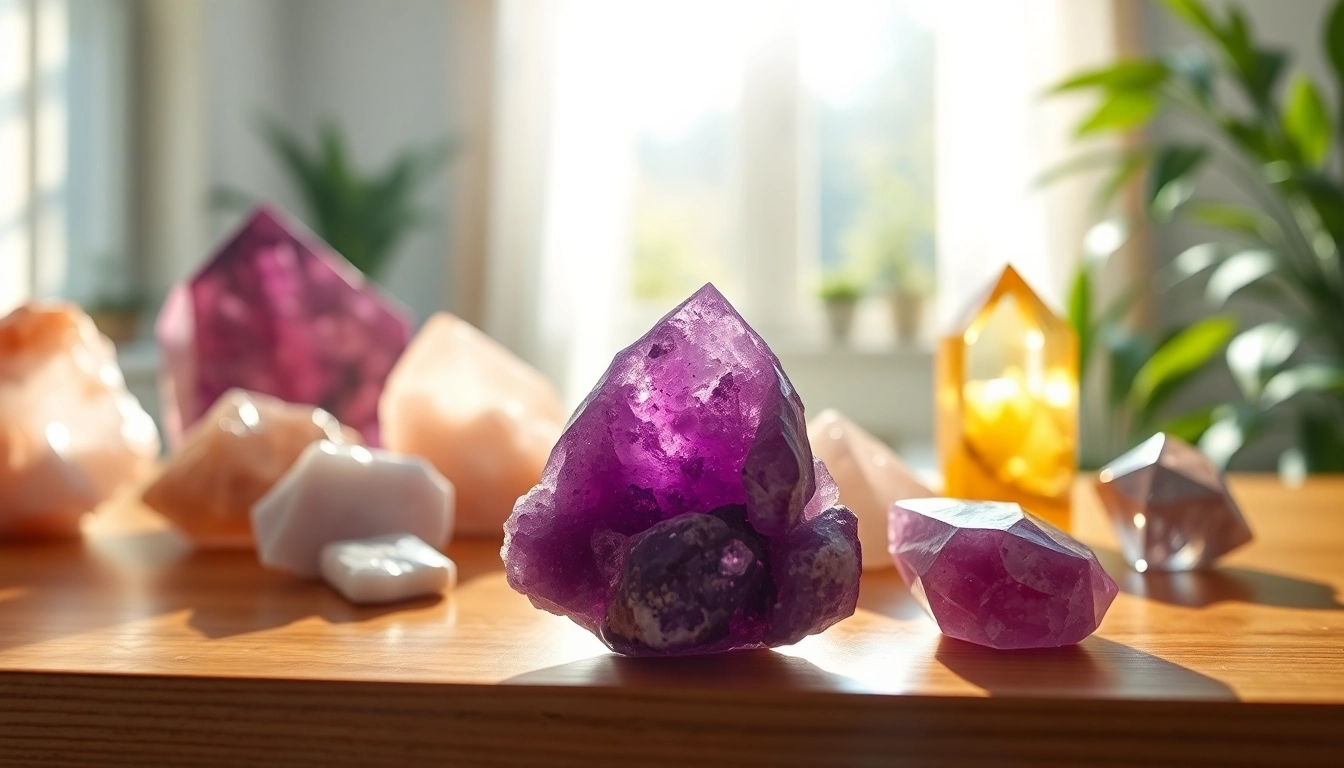
Introduction to Crystals Names
Crystals have fascinated humanity for centuries, both for their aesthetic beauty and their reputed metaphysical properties. These natural wonders not only enhance our spaces but also serve personal, emotional, and spiritual purposes. The significance attributed to various crystals can deepen our appreciation of them. In this comprehensive guide, we delve into the crystals names, their meanings, and how to incorporate them into our lives effectively.
What Are Crystals and Their Significance?
At their core, crystals are solid materials whose constituents, such as atoms, molecules, or ions, are arranged in an orderly pattern extending in all three spatial dimensions. This unique structure contributes to their beauty, radiance, and purported energetic properties. Throughout history, crystals have been utilized in various cultures for purposes ranging from healing, protection, and spiritual growth to adornment and decoration. In contemporary wellness practices, crystals are celebrated for their potential to influence emotional and physical well-being.
Origin and Formation of Crystals
The formation of crystals is a natural process that can occur through various means, such as cooling molten rock (igneous crystals), evaporation of mineral-rich water (sedimentary crystals), and metamorphic alterations where high pressure and temperature change existing minerals. Essentially, the environmental conditions play a crucial role in determining the specific type of crystal that forms. For example, the cooling rate and composition of molten lava will result in different crystal types, such as the transparent quartz or the deep purple amethyst.
How Crystals Names Reflect Their Properties
The names of crystals often derive from their physical characteristics, locations of discovery, historical significance, or the metaphysical properties attributed to them. For instance, the name "citrine" comes from the French word for lemon, reflecting its vibrant yellow color, while "amethyst" derives from the Greek term "amethystos," meaning "not intoxicated," alluding to its historical use as a protective stone against drunkenness. Understanding these names can enhance our perception of the crystals themselves and guide us in their application.
Popular Crystals Names and Their Properties
Quartz: The Master Healer
Quartz is often referred to as the "master healer" and is one of the most commonly used crystals. Known for its versatility, quartz amplifies energy and intention. It has the ability to absorb, store, release, and regulate energy, making it a fundamental tool in various healing practices. Quartz is clear or translucent and can come in numerous varieties, including rose quartz for love, smoky quartz for grounding, and citrine for prosperity. Each type holds distinct energies and uses that align with specific needs.
Amethyst: The Stone of Spirituality
Amethyst is cherished for its stunning purple hue and its strong spiritual energy. It is commonly associated with tranquility, balance, and peace, making it an excellent stone for meditation. Historically, amethyst was believed to guard against misunderstanding and to promote clarity of mind. Many use this crystal during spiritual practices, such as connecting with higher realms or enhancing intuition, making it a popular choice for those seeking spiritual growth.
Citrine: The Merchant’s Stone of Prosperity
Citrine, often called the "merchant's stone," is celebrated for its abilities to attract wealth and abundance. It is a crystal that radiates positivity, joy, and vitality. The vibrant yellow color is said to evoke feelings of happiness and optimism, offering a sense of renewal. Citrine works well when placed in the wealth corner of your home or carried to enhance your confidence when making financial decisions.
How to Choose Crystals Based on Their Names
Using Emotional Guidance to Select Crystals
When selecting crystals, emotional guidance can play a vital role. Each crystal resonates with specific vibrations that correlate with different emotions. By assessing what you need—be it love, protection, clarity, or prosperity—you can choose crystals that align with those intentions. For example, if you're feeling overwhelmed by stress, you might gravitate toward calming stones like amethyst or aquamarine. Trusting your intuition in this process can lead to meaningful choices that resonate with your immediate needs.
Matching Crystals Names to Your Intent
Understanding the names and associated properties of crystals allows you to effectively match them to your intentions. Starting with a specific goal, such as improving communication, you can look toward crystals like lapis lazuli or blue lace agate. These stones not only have physical representations but also embody energies that assist in achieving your goals. Creating a list of desired outcomes can further simplify the selection process by aligning your spiritual or emotional aspirations with the right crystals.
Tips for Beginners in Crystal Selection
For those new to the world of crystals, starting can feel overwhelming. Here are some useful tips to ease the process:
- Do Your Research: Familiarize yourself with different crystals names and their properties. This understanding will empower your selections.
- Start Small: Choose a few crystals that appeal to you personally, rather than attempting to collect everything at once.
- Follow Your Instincts: Trust your intuition. Often, the crystal you are drawn to is the one you need most.
- Test Them Out: Spend time holding or meditating with different crystals to see which ones resonate with you.
Integrating Crystals into Daily Life
Using Crystals for Meditation and Healing
Incorporating crystals into your meditation practice can help deepen your connection to your intentions and promote healing. Placing specific crystals around your meditation space or holding them during meditation can enhance focus and clarity. For instance, you may use selenite to clear your mind or clear quartz to amplify your thoughts. Those interested in holistic healing practices often create crystal grids to harness and direct energy in a contained space, enhancing the overall experience.
Home Decor and Arrangement of Crystals Names
Cascading crystals throughout your living space can not only beautify the environment but also invite the energy of their properties into your home. When arranging your crystals, consider their meanings. Citrine, for instance, is ideal for wealth areas, while amethyst could be placed in bedrooms for tranquility. Grouping crystals together can enhance their energies, creating a harmonious aesthetic. It’s essential to cleanse and recharge them regularly to maintain their vibrancy and effectiveness.
Cleansing and Charging Your Crystals
Like us, crystals absorb energy from their environment. This absorption can even lead to stagnation or unwanted negative energies. Regular cleansing and charging are vital parts of maintaining a crystal’s potency. Common methods include rinsing in water, placing under moonlight, or using sound therapy. Each crystal may respond differently to cleansing methods, so researching the specific crystals names can provide the best guide for maintaining their integrity and effectiveness.
The Future of Crystals and Their Popularity
Emerging Trends in Crystal Usage
The usage of crystals has seen a resurgence in recent years, not only in spiritual practices but also in mainstream wellness and self-care routines. With the emergence of holistic approaches to health, the appeal of crystals continues to grow. Innovative applications include crystal-infused products, such as skincare and energy healing workshops. Moreover, the increasing awareness of mental health and mindfulness drives crystal popularity as people seek natural ways to enhance their wellbeing.
Cultural Perspectives on Crystals Names
Understanding that different cultures ascribe various meanings and attributes to crystals adds breadth to their appeal. For instance, in ancient Egypt, crystals were believed to hold protective properties and were often placed in burial chambers. In contrast, various Eastern practices integrate crystals into rituals for healing and meditation. Recognizing these cultural perspectives can enhance our respect and appreciation for the diverse uses and interpretations of crystals names around the world.
The Growing Community and Resources for Crystal Enthusiasts
As interest in crystals continues to soar, so does the community of enthusiasts who share knowledge and explore this fascinating world together. Online platforms, workshops, and local meet-ups connect individuals passionate about crystals. Social media serves as a valuable resource for learning and sharing experiences, while numerous books and online courses provide further insights into their proper use and care. Engaging with like-minded individuals fosters a rich environment for discovering more about the meaningful connections between us and these remarkable natural formations.