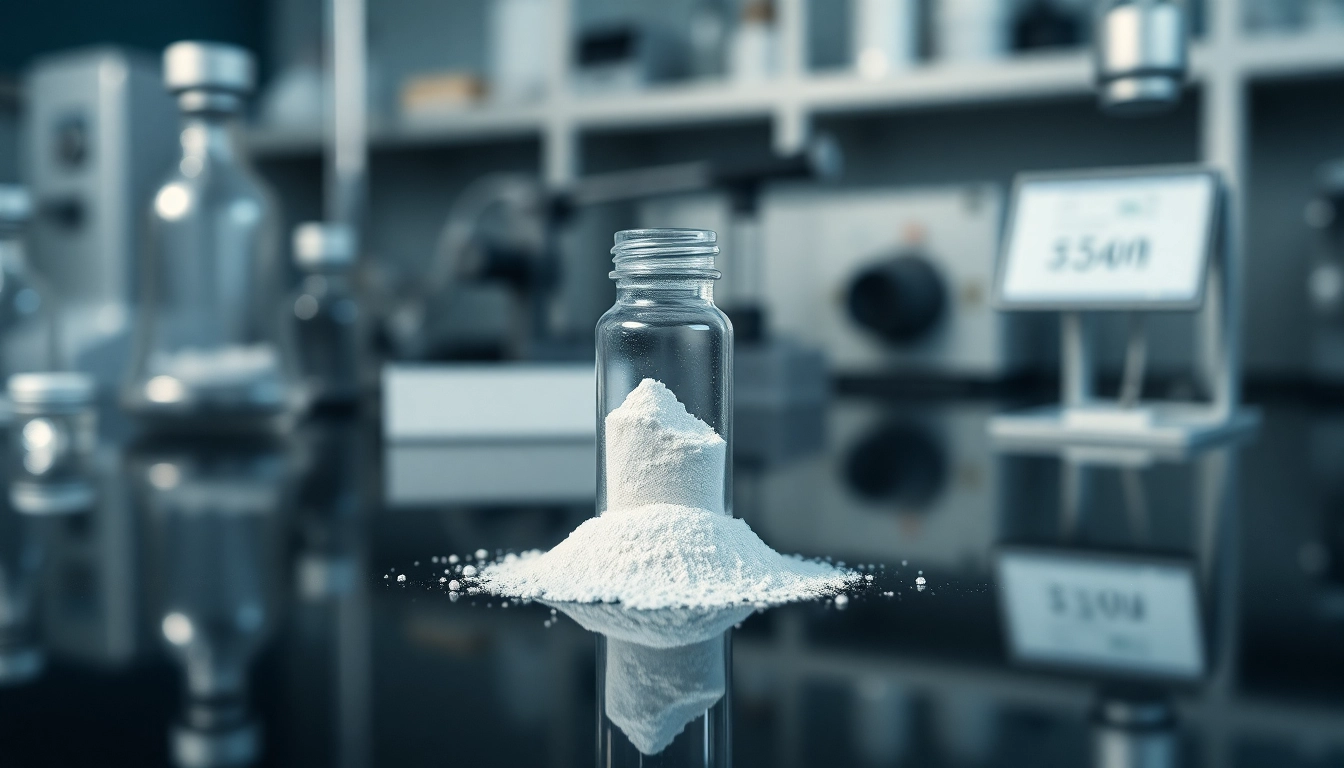
What is Antimony?
Antimony, represented by the symbol Sb and carrying the atomic number 51, is a chemical element classified as a metalloid. It is recognized for its lustrous gray appearance and brittle nature. Found predominantly in nature as the sulfide mineral antimony (stibnite), this element has captivated humans since ancient times, both for its unique properties and various applications.
Basic Properties of Antimony
Antimony exhibits several noteworthy physical and chemical properties:
- Physical state: Antimony is a solid at room temperature, displaying a silvery-white color.
- Melting point: It melts at 630.6°C (1,167°F).
- Atomic mass: The atomic mass of antimony is 121.76 u.
- Density: With a density of 6.684 g/cm³, it is relatively heavy and contributes to its metallic characteristics.
Chemical Characteristics
As a metalloid, antimony possesses both metallic and non-metallic properties, making it versatile for various chemical reactions. It is primarily known to form compounds with sulfur and can achieve several oxidation states, primarily +3 and +5. This unique behavior enhances its applicability across a range of industries.
History and Discovery of Antimony
The discovery of antimony dates back to ancient civilizations where it was used in cosmetics and medicine. Ancient Egyptians used antimony sulfide for eye makeup, making it one of the earliest known applications of the element. Its metalloid identity was clearly recognized by scientists in the 16th century, and it has been subsequently referenced in various scientific literature through the ages.
Uses and Applications of Antimony
Antimony in Industry
Antimony plays a crucial role in numerous industrial applications, contributing significantly to the manufacturing processes of various products:
- Alloys: Antimony is used to harden lead and improve the overall properties of alloys. Many lead-acid batteries incorporate antimony, enhancing their performance.
- Flame Retardants: Antimony compounds are essential in flame-retardant applications, as they help reduce the flammability of materials.
- Glass and Ceramics: Antimony oxide is added to glass and ceramics to improve their quality and durability.
Role in Electronics and Semiconductors
In the electronics sector, antimony is valued for its semiconductor properties. It is utilized in the production of certain types of semiconductor devices, wherein its unique characteristics enhance electronic performance:
- Transistors and Diodes: Pure antimony is often employed in transistors and diodes due to its efficiency in electrical processes.
- Photoelectric Cells: Antimony compounds find application in photoelectric cells, further demonstrating their fostering role in technological advancement.
Historical Medicinal Uses
Historically, antimony was considered to possess medicinal properties. Ancient texts describe its use in various health-related contexts, where powdered antimony was administered for its purported therapeutic effects. Despite its toxic nature, some early practices involved antimony in poultices and laxatives.
Toxicity and Safety of Antimony
Health Effects of Antimony Exposure
While antimony has practical uses, it is crucial to acknowledge its toxicity. Exposure to antimony can result in various health issues, including:
- Skin Irritation: Contact with antimony can cause skin irritation and allergic reactions.
- Respiratory Issues: Inhalation of antimony dust can lead to respiratory problems and chronic lung conditions.
- Gastrointestinal Distress: Ingestion may lead to gastrointestinal upset, nausea, and vomiting.
Safety Guidelines for Handling Antimony
To mitigate the risks associated with antimony, several safety precautions should be followed:
- Ensure proper ventilation in areas where antimony is used or processed.
- Employ personal protective equipment (PPE) like gloves and masks to prevent exposure.
- Follow regulatory guidelines for disposal and handling, minimizing environmental contamination.
Environmental Impact of Antimony
The mining and processing of antimony can have significant environmental implications. Runoff from mining activities may result in soil and water contamination, impacting local ecosystems. Implementing sustainable practices is necessary to lessen these effects and promote ecological responsibility.
Market and Economic Importance of Antimony
Global Production Statistics
Antimony is mined in several countries, with China being the leading producer globally. The production statistics can fluctuate based on market demand, technological advancements in extraction processes, and geopolitical conditions. Currently, global production trends indicate a burgeoning interest in antimony due to its critical applications.
Antimony Pricing Trends
The pricing of antimony has exhibited volatility in the market, influenced by numerous factors such as supply limitations, demand in industries, and global economic conditions. Tracking these pricing trends is vital for stakeholders in industries reliant on this metalloid.
Critical Material Status
Recognizing the strategic importance of antimony, several governments (including the U.S.) have classified it as a critical material. This designation reflects not only its industrial significance but also potential supply vulnerabilities, urging efforts to secure stable supply chains.
FAQs About Antimony
What is antimony primarily used for?
Antimony is commonly used in flame retardants, alloys, and semiconductor applications across various industries.
Is antimony toxic to humans?
Yes, antimony can be toxic, causing skin irritation, respiratory issues, and gastrointestinal problems upon exposure.
How is antimony extracted?
Antimony is primarily extracted from the mineral stibnite, using thermal and chemical processes to isolate the element.
What are the physical properties of antimony?
Antimony is a brittle metalloid characterized by metallic luster, melting at 630.6°C, and an atomic mass of 121.76 u.
Where is antimony found naturally?
Antimony is primarily found naturally as the sulfide mineral stibnite and in various antimony-containing compounds.