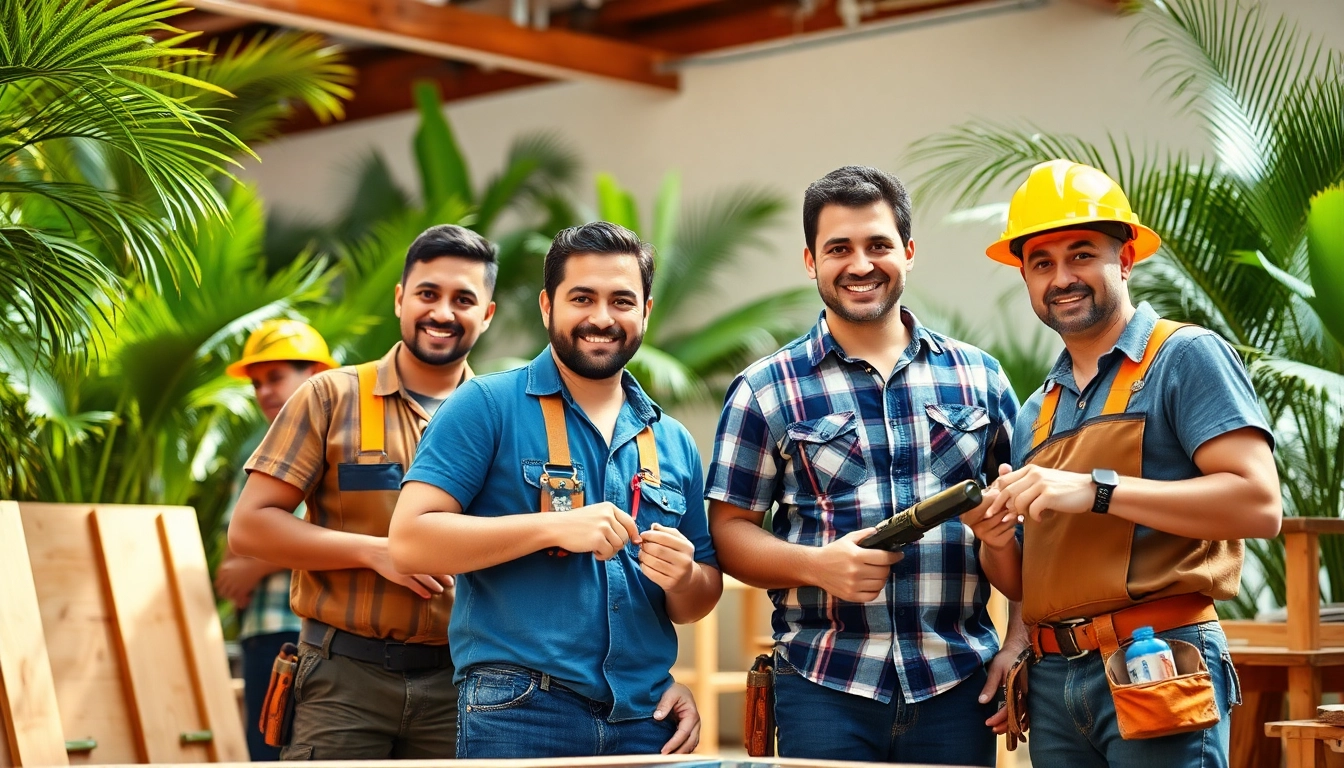
Understanding Trade Schools in Hawaii
Definition and Purpose of Trade Schools
Trade schools, also known as vocational or technical schools, are institutions focused on teaching students the practical skills and knowledge necessary for specific careers. Unlike traditional academic settings, trade schools emphasize hands-on training and direct industry experience. Their primary purpose is to prepare individuals for successful professions in a wide range of fields, from healthcare to skilled trades.
In Hawaii, the landscape of education is shaped by the unique cultural and economic environment, offering residents a selection of trade schools in Hawaii that cater to both local needs and global industries. These institutions are vital for ensuring that students acquire the skills required to meet the demand in Hawaii’s growing job market.
Types of Programs Offered in Hawaii
Hawaii's trade schools offer a variety of programs tailored to the state's diverse industries. Key areas of focus include:
- Health Sciences: Programs like nursing, dental assisting, and medical technology prepare students for essential healthcare roles.
- Construction and Skilled Trades: Carpentry, plumbing, and electrical training are crucial to support Hawaii's booming construction industry.
- Hospitality and Culinary Arts: With tourism being a primary driver of Hawaii's economy, hospitality management and culinary arts programs thrive.
- Information Technology: Preparing students for careers in IT, including computer networking and cybersecurity.
Demographics and Student Profiles
The student body in Hawaii’s trade schools is diverse, encompassing a range of ages, backgrounds, and educational experiences. Many students pursue vocational training as an alternative to traditional higher education, seeking faster entry into the workforce. Common profiles include:
- High school graduates looking to gain skills quickly.
- Adults seeking career changes or advancements.
- Individuals interested in gaining specialized knowledge for trades that are particularly relevant in Hawaii, such as maritime and sustainable energy jobs.
Advantages of Attending Trade Schools in Hawaii
Cost Efficiency Compared to Traditional Colleges
One of the most significant advantages of attending trade schools is the cost. Trade school tuition tends to be lower than that of traditional four-year colleges, allowing students to save on both educational costs and the potential debt associated with higher education. This financial efficiency makes vocational training an attractive option for many students in Hawaii, particularly those looking to enter the workforce quickly.
Industry Relevance and Practical Training
Trade schools are designed to equip students with practical skills essential for their chosen fields. Curricula are often developed in collaboration with industry leaders, ensuring that the training provided aligns with current job market needs. Students benefit from hands-on training, apprenticeships, and direct connections to employers, substantially increasing their employability upon graduation.
Job Placement Success Rates
Another advantage of attending trade schools in Hawaii is the high job placement rates. Many trade schools report strong employment outcomes, particularly in fields such as healthcare and construction, where the demand for skilled workers continues to rise. The relationship between trade schools and local industries plays a crucial role in helping graduates secure jobs shortly after completion of their programs.
Popular Trade School Programs in Hawaii
Construction and Skilled Trades
The construction industry is a thriving sector in Hawaii, driven by tourism and local development projects. Programs such as carpentry, plumbing, HVAC, and welding equip students with essential skills required in this field. Institutions like Honolulu Community College offer specialized training, ensuring that students are well-prepared to enter the workforce.
Health Sciences and Technical Training
Health care is a cornerstone of Hawaii's economy, making health sciences programs particularly popular. From nursing to medical assisting, these programs not only address the immediate need for healthcare professionals but also provide students with the hands-on experience necessary to excel in high-pressure environments.
Hospitality and Culinary Arts
Hawaii's vibrant tourism sector creates robust opportunities in hospitality and culinary arts. Programs are designed to provide students with both foundational knowledge and specialized skills to thrive in restaurants, hotels, and event planning. The integration of cultural elements into culinary training enhances the unique offerings of Hawaii's dining scene.
Choosing the Right Trade School in Hawaii
Accreditation and Quality of Education
When selecting a trade school, the accreditation status and overall quality of education are critical factors. Accredited institutions ensure that students receive a recognized standard of education, improving their job prospects after graduation. Prospective students should research the accreditation status of schools and seek feedback from current and former students to measure success rates and satisfaction levels.
Location and Facilities
Proximity to home or affordable housing options can play a significant role in choosing a trade school. Evaluating facilities helps to ensure that students will train in a supportive environment that mirrors real-world workplace scenarios. Schools with up-to-date technology and equipment enhance the educational experience and better prepare students for their careers.
Financial Aid and Scholarships
Financial considerations are important for many students pursuing vocational education. Trade schools in Hawaii often provide information on financial aid options, scholarships, and grants that can ease the financial burden of education. Exploring these resources can open doors for students needing assistance to pursue their chosen fields.
Future Trends in Trade Schools in Hawaii
Emerging Careers and Skills Needed
The job market is continually evolving, and trade schools must adapt to prepare students for emerging careers. Fields such as renewable energy, IT security, and sustainable agriculture are expected to grow, prompting schools to update their curricula and training methods. Understanding these trends is key to ensuring that graduates remain competitive.
Technological Advancements in Training
Advancements in technology are transforming vocational training. Schools are increasingly using virtual reality and simulations to enhance learning experiences and provide students with engaging, immersive opportunities to practice skills. Staying updated on technological developments is vital for trade schools to maintain relevance in their training programs.
Community Engagement and Partnerships
Collaboration with local businesses and industries is crucial for trade schools in Hawaii. Partnerships can lead to internships, job placements, and apprenticeships, bridging the gap between education and employment. Encouraging community engagement ensures that training programs remain applicable and beneficial to both students and the local economy.
Frequently Asked Questions
1. What are trade schools?
Trade schools offer vocational and technical training for specific careers, focusing on practical skills and hands-on experience.
2. Are trade schools in Hawaii accredited?
Many trade schools in Hawaii are accredited, ensuring their programs meet industry standards and enhance employability.
3. How long do trade school programs typically take?
Programs can vary, but many can be completed in a year or less, allowing students to enter the workforce quickly.
4. What financial aid is available for trade schools?
Trade schools often offer financial aid resources, including scholarships, grants, and loans to help students manage tuition costs.
5. What types of careers can I pursue after attending trade school?
Graduates can enter various fields, including healthcare, construction, hospitality, and information technology, among others.