The Must-Have Gear at Your Snowboard Store
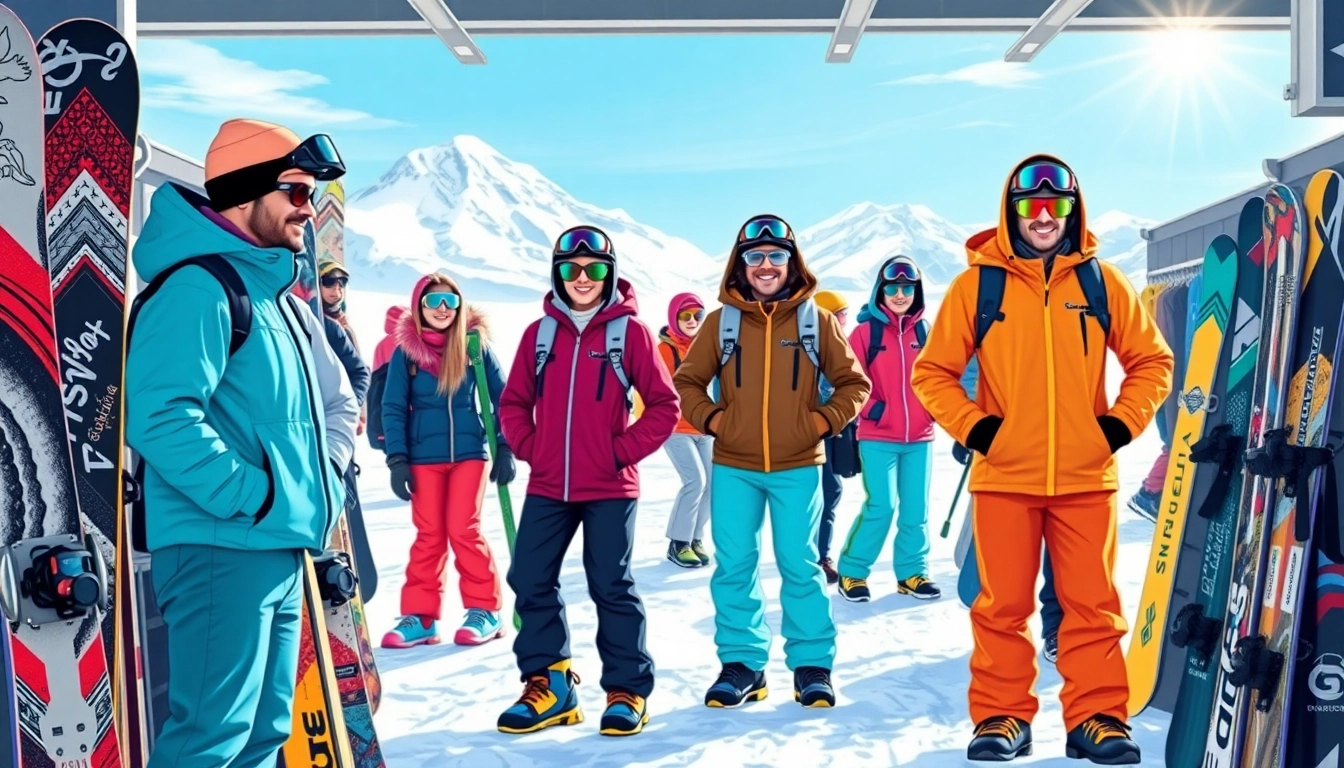
When you step into a snowboard store, you're greeted by a world of possibilities on the slopes. Whether you're a seasoned rider or a beginner, knowing the essentials can make your shopping experience much smoother. From the snowboard itself to accessories that keep you safe, here's everything you need to consider when you're outfitting yourself for the winter season.
Snowboards: Types and Selection
Choosing the right snowboard is crucial for performance and enjoyment on the slopes. There are various types of snowboards designed for different riding styles:
- All-Mountain Snowboards: Versatile boards suitable for various terrains and conditions.
- Freestyle Snowboards: Lighter and shorter, perfect for tricks, jumps, and maneuverability.
- Freeride Snowboards: Designed for backcountry and off-piste exploration with a focus on powder riding.
- Splitboards: Specially crafted for backcountry touring, allowing you to hike uphill before descending.
When selecting a snowboard, consider your skill level, preferred terrain, and riding style. Additionally, the size and shape of the board should correspond to your height, weight, and foot size, ensuring an optimal fit and ride.
Bindings: Choosing the Right Fit
Bindings are just as crucial as the snowboard itself; they connect you to the board and help transfer your movements. The right choice varies based on riding style:
- Strap Bindings: Most common and provide excellent support and responsiveness.
- Step-On Bindings: Allow for a quick and easy boot entry without a strap system.
- Rear Entry Bindings: Feature a hinge system for fast, easy access.
Ensure that your bindings match the width of your board and provide a snug fit around your boots. A good binding fit enhances control and comfort on the slopes.
Boots: Comfort and Performance
The right boots are essential for comfort and performance while riding. Look for boots that offer the correct flex level based on your skill and riding style:
- Soft Flex Boots: Ideal for beginners or park riders who prioritize comfort and mobility.
- Medium Flex Boots: A balance for all-mountain versatility.
- Stiff Flex Boots: Designed for experienced riders seeking maximum performance.
Ensure proper sizing—boots should fit snugly without causing discomfort, as this affects how you control your snowboard.
Safety Gear Essentials at Your Snowboard Store
While the thrill of snowboarding can be exhilarating, safety shouldn't be overlooked. Investing in safety gear will protect you on slopes and enhance your confidence while riding.
Helmets: Protect Your Head
A helmet is a non-negotiable piece of gear for any snowboarder. It significantly reduces the risk of head injuries. When choosing a helmet, consider:
- Fit: It should snugly fit without being uncomfortably tight.
- Ventilation: Look for adjustable vents to regulate airflow.
- Certification: Ensure it meets safety standards for snow sports.
Popular options come with additional features like audio compatibility for music during rides.
Pads and Protective Wear
Wearing protective pads can mitigate injuries during falls. Essential padding includes:
- Wrist Guards: Protect your wrists during falls, reducing the risk of fractures.
- Knee Pads: Help prevent injuries to the knees when landing jumps.
- Sit Pads: Cushion falls on the ground, especially for beginners.
Consider wearing light and flexible padding types to ensure mobility while riding.
Goggles: Visibility in All Conditions
Good visibility is crucial, especially in fluctuating weather conditions. When shopping for snowboard goggles, look for:
- Lens Types: Different tints are suited for bright or low-light conditions.
- Anti-Fog Technology: Essential for clear vision, especially on warmer days.
- Fit: Ensure they fit comfortably with your helmet.
Polarized lenses can reduce glare, making them a great option for sunny days.
Outerwear: Dressing for the Slopes
Proper outerwear keeps you warm and dry while providing freedom of movement. Different layers play essential roles in your snowboarding attire.
Jackets: Insulation versus Breathability
A quality snowboard jacket should perform well under diverse conditions. Consider the following attributes:
- Waterproofing: Look for jackets with a waterproof rating appropriate for snow conditions.
- Insulation: Synthetic insulations provide warmth without bulk.
- Breathability: Ensures moisture-wicking, which keeps you dry during active rides.
Ensure your jacket allows unrestricted movement, especially in the shoulders.
Pants: Style and Function
Snowboard pants should be stylish yet functional. Key features include:
- Waterproof and Breathable Material: Required for protection against wet snow.
- Reinforced Areas: Look for reinforced knees and seats for durability.
- Ventilation Zippers: For increased airflow during warm days on the slopes.
Choose a fit that allows for mobility, without excess fabric that can impede movement.
Layers: Keeping Warm and Dry
Layering is the key to adaptability in changing temperatures. A common three-layer system includes:
- Base Layer: Wicks moisture away from your body, keeping you dry.
- Mid Layer: Provides insulation; materials can vary based on climate.
- Outer Layer: Shields against wind and moisture.
Well-selected layers allow for versatility and comfort, enabling you to adjust based on weather conditions.
Accessories That Enhance Your Snowboarding Experience
Accessories can significantly enhance your time on the slopes. From convenient carrying solutions to gear that keeps you animated, these items deserve attention.
Backpacks: Carrying Your Gear
A good backpack will make it easier to carry your gear, ensuring you have everything you need. Look for backpacks that offer:
- Board Straps: For securely holding your snowboard.
- Hydration Reservoirs: Keeping you hydrated during long days on the slopes.
- Multiple Compartments: To organize your gear effectively.
Select a lightweight yet sturdy backpack to ensure comfort while riding.
Gloves and Mittens: Keep Those Fingers Warm
Your hands are susceptible to cold, so investing in good gloves is crucial. Consider:
- Waterproof Materials: Essential for keeping your hands dry.
- Insulated Liners: Help in keeping your hands warm.
- Touchscreen Compatibility: For convenience when using your phone.
Proper fit is essential—a snug yet comfortable feel allows for dexterity while riding.
Marketing the Latest Trends in Gear
The snowboard gear market is continually evolving with technological advancements. Retailers are embracing innovative materials for improved performance. Essential trends include:
- Eco-Friendly Equipment: Eco-conscious snowboarders prefer sustainably sourced gear.
- Smart Gear: Wearable technology like GPS and performance monitoring devices.
- Customizable Gear: Increasingly popular among enthusiasts seeking personalized experiences.
Staying updated with these changing trends can enhance your riding experience significantly.
FAQs about Shopping at a Snowboard Store
What should I look for in a snowboard?
Focus on your skill level, preferred terrain, and the type of riding you want to do. Board size and flex also influence performance and comfort.
Are there sizes for snowboard boots?
Yes! Snowboard boots come in various sizes and should fit snugly around your foot for optimal control. Ensure they align with your snowboard size.
How often should I wax my snowboard?
Generally, you should wax your snowboard every 3-5 days of riding or when you notice it isn’t gliding well. Check for other signs, too.
What gear is best for beginners?
Beginners should consider a soft-flex board, comfortable boots, and safety gear, including a helmet and wrist guards to prevent injuries.
Can I rent gear instead of buying?
Yes! Many snowboard stores offer rental options. Renting is a great way to try different equipment before deciding to purchase your own gear.