Overview of Current EV Charging News Trends
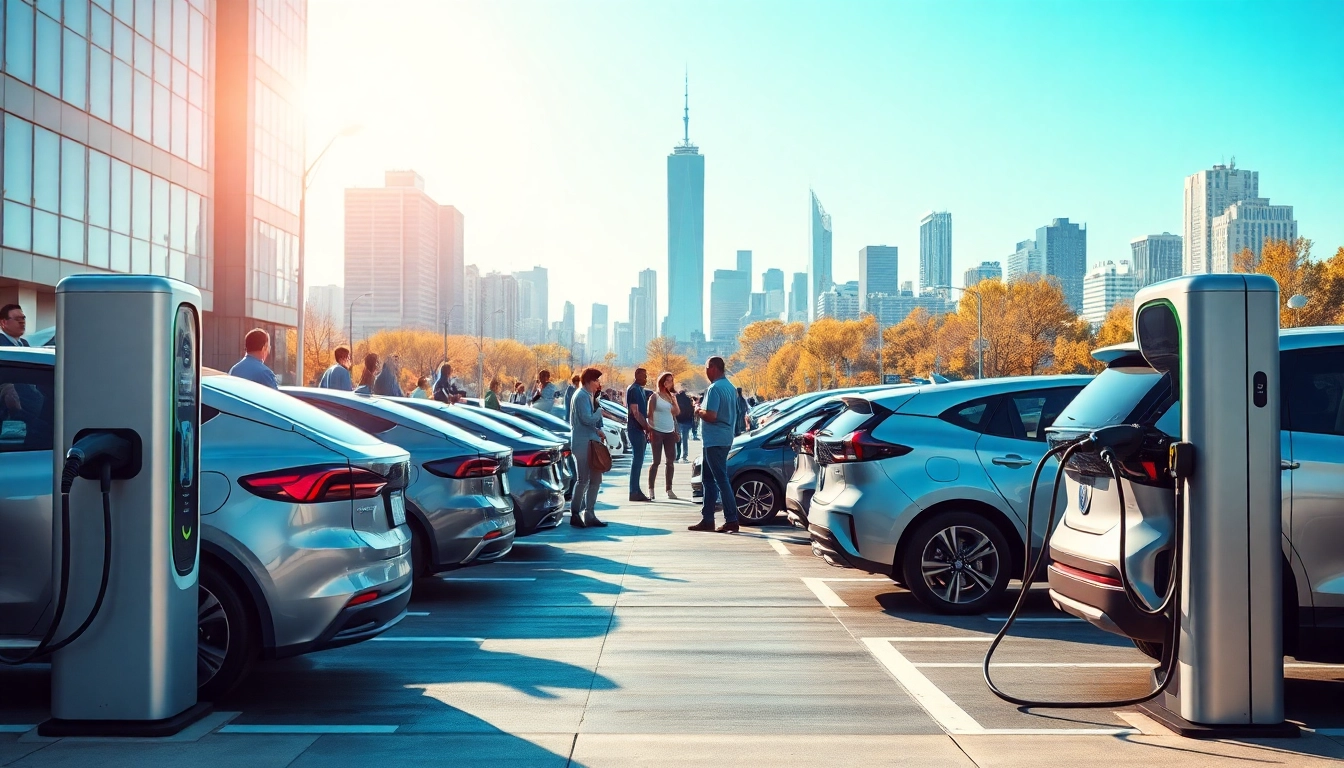
The landscape of electric vehicle (EV) charging is undergoing rapid changes, driven by technological advancements, government initiatives, and growing consumer demand. With a significant push towards sustainability, it's essential for stakeholders to stay informed about the latest developments in EV charging news. This article provides an in-depth exploration of the trends shaping the future of EV charging and its broader impact.
Understanding EV Infrastructure Expansion
The expansion of EV infrastructure is vital for supporting the increasing adoption of electric vehicles. As more drivers transition to electric cars, the demand for accessible and efficient charging stations continues to grow. Recent data indicates that the number of public charging stations has surged, with urban areas seeing the most significant growth. However, rural regions still face a stark contrast, highlighting the need for strategic infrastructure investments.
Recent Polls and Public Sentiment on EVs
Recent surveys reveal that public sentiment about electric vehicles is mixed. While an increasing number of consumers express interest in purchasing an EV, concerns regarding charging accessibility and range anxiety remain prevalent. Interestingly, a recent poll indicated that only about 20% of U.S. adults are fully comfortable with making the switch to electric vehicles. These insights underscore the importance of addressing consumer concerns through improved infrastructure and public education.
Technological Innovations in Charging Solutions
Technological advancements play a pivotal role in enhancing the efficiency and convenience of EV charging. Innovations such as ultra-fast charging technology, which significantly reduces charging times, are rapidly becoming available. Additionally, the integration of renewable energy sources in charging stations helps to reduce the environmental impact of EV usage. These innovations not only cater to consumer needs but also align with global sustainability goals.
The Impact of EV Charging on Consumer Behavior
The availability and accessibility of charging stations significantly influence consumer behavior regarding EV adoption. As the charging infrastructure evolves, various factors come into play, affecting how consumers approach electric vehicle ownership.
How Charging Availability Affects EV Adoption
Charging availability is a critical factor in determining whether consumers will adopt electric vehicles. A well-distributed charging network mitigates range anxiety and instills confidence in potential buyers. Studies have shown that consumers are more likely to consider purchasing an EV when they perceive a robust and accessible charging network in their area. Moreover, developments in fast-charging technology enable more convenient charging experiences, further boosting adoption rates.
Case Studies on Successful Charging Networks
Analyzing successful charging networks offers valuable insights into best practices for infrastructure development. In various urban settings, charging networks that have integrated feedback from users have seen increased usage rates. For instance, some networks employ real-time data tracking to optimize station performance and enhance user experience. These case studies highlight the importance of adaptability and responsiveness in developing efficient charging solutions.
Addressing Range Anxiety through Infrastructure Development
Range anxiety, the fear of running out of battery charge before reaching a destination, remains a significant barrier to EV adoption. Infrastructure development must focus on strategically placing charging stations along major travel routes and high-traffic areas. Implementing a robust charging network can significantly reduce consumer concerns, paving the way for increased electric vehicle purchases and overall acceptance.
Government Initiatives and Regulations in EV Charging News
Government policies and regulations play a crucial role in shaping the EV charging landscape. With a surge in electric vehicle adoption, jurisdictions are implementing various measures to foster a fertile environment for infrastructure growth.
Federal and State Policies Supporting EV Infrastructure
Both federal and state governments are enacting policies to support the growth of EV infrastructure. Initiatives such as tax incentives for EV buyers and funding for the development of charging stations are commonplace. Several states have also launched plans to enhance the availability of fast-charging stations, demonstrating a commitment to a greener future. These policies not only facilitate the expansion of the charging network but also encourage manufacturers to focus on producing more electric vehicle options.
Funding Opportunities for Charging Station Development
Funding opportunities are essential for supporting charging station development. Various grants and incentives available through both governmental and non-governmental organizations can aid businesses in establishing new locations. It is crucial for stakeholders in the EV market to explore these funding avenues to enhance their infrastructure capabilities effectively.
Building Codes and Standards in the EV Charging Sector
As the EV charging sector grows, establishing clear building codes and standards is vital to ensure safety and reliability. Standardization across regions can help streamline the process of deploying charging stations, making it easier for businesses and municipalities to participate. Furthermore, abiding by a national set of standards promotes consumer trust and can lead to increased usage of charging infrastructure.
EV Charging Technology Innovations and Trends
Technological advancements are at the forefront of the evolution of EV charging. Innovations continue to emerge, driving improvements in performance, efficiency, and user experience.
Fast Charging vs. Standard Charging Explained
Understanding the differences between fast charging and standard charging is crucial for consumers and industry stakeholders. Fast charging technology allows vehicles to receive a substantial charge in a fraction of the time it takes with standard charging. This technology typically involves higher voltage and current levels, catering to the need for rapid energy replenishment—especially convenient for drivers on long trips. Understanding these nuances can help consumers make more informed choices regarding their charging options.
Smart Charging Technologies and Their Benefits
Smart charging technologies offer significant benefits for both users and energy providers. By enabling two-way communication between the vehicle and the charging station, these systems allow for real-time monitoring and management of charging sessions. Such capabilities can optimize energy use by taking advantage of off-peak rates or renewable energy sources, reducing costs for consumers while also easing strain on the electrical grid.
Future Trends in Charging Technology to Watch
As the EV market matures, several trends are worth watching. Ultra-fast charging stations that reduce charge times to minutes are on the rise, promising a future where EVs can be charged as swiftly as traditional vehicles refuel. Additionally, wireless charging technology is being researched and developed, aiming to eliminate the need for physical connections altogether. Keeping an eye on these trends can empower consumers and businesses to adapt and thrive in the changing landscape.
Challenges Facing the EV Charging Industry
Despite the advancements and growth in the EV charging sector, challenges persist that need addressing. Identifying these hurdles and implementing effective solutions is crucial for sustainable development.
Addressing Infrastructure Gaps in Rural vs. Urban Areas
A significant challenge in the EV charging industry is the disparity in infrastructure between urban and rural areas. Urban centers tend to have a more developed network of charging stations, whereas rural areas often lack sufficient access. Developing targeted initiatives to bridge this gap is essential to ensure equitable access to charging infrastructure, which is crucial for encouraging EV adoption in all areas.
Environmental and Economic Impacts of Charging Stations
The establishment of charging stations has both environmental and economic implications. On one hand, the proliferation of charging stations is integral to reducing carbon emissions linked to fossil fuel dependency. However, the construction and maintenance of these stations can involve environmental trade-offs, such as land use and resource allocation. It is essential for planners to consider sustainability during the development process to minimize negative impacts.
Consumer Education and Awareness on Charging Options
Lastly, consumer education remains a critical focus area. Many potential EV buyers are unaware of charging options, costs, or available incentives. Providing clear and comprehensive information can demystify the charging process and help consumers make informed decisions regarding electric vehicle ownership. Educational initiatives, including workshops and online resources, can play a pivotal role in overcoming this barrier.