
Choosing the right protection for homes and businesses has become more critical than ever. With evolving threats and advancing technology, Security Systems have transformed into highly sophisticated networks designed to detect, deter, and respond to risks in real time. One of the most common dilemmas faced by buyers today is deciding between wired and wireless security systems. Each option offers distinct advantages and limitations, and understanding these differences is essential for making an informed decision.
This in-depth comparison guide explores how security systems function, how wired and wireless solutions differ, and which option best suits different environments. By examining installation methods, reliability, costs, scalability, maintenance, and long-term performance, this guide provides a clear framework to help readers choose the most effective security systems for their needs.
Understanding Modern Security Systems
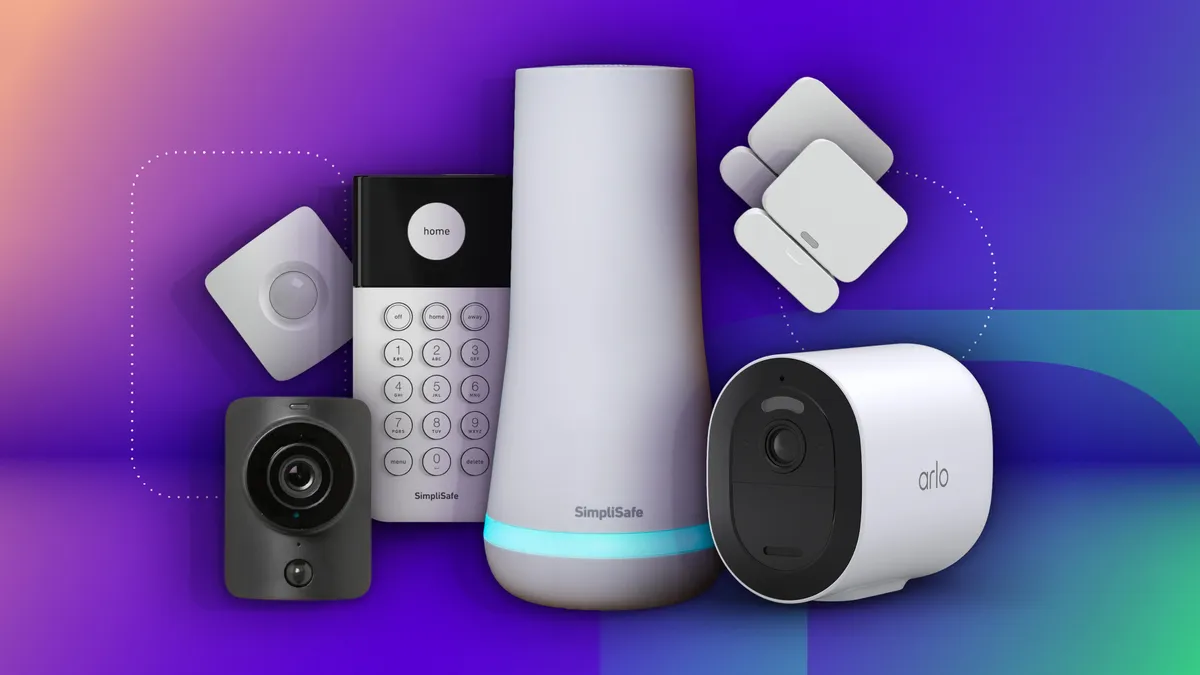
Security systems are integrated solutions designed to monitor activity, detect intrusions, and alert property owners or monitoring centers to potential threats. Modern security systems typically include control panels, sensors, cameras, alarms, and software platforms that work together to provide comprehensive protection. These systems can secure residential properties, commercial buildings, industrial sites, and public spaces.
Over the years, security systems have evolved from basic alarm setups into intelligent ecosystems that incorporate automation, artificial intelligence, and remote access. Today’s solutions allow users to monitor live footage, receive instant alerts, and manage settings through mobile applications. Whether wired or wireless, the core purpose of security systems remains the same: to enhance safety, reduce risk, and provide peace of mind.
What Are Wired Security Systems?
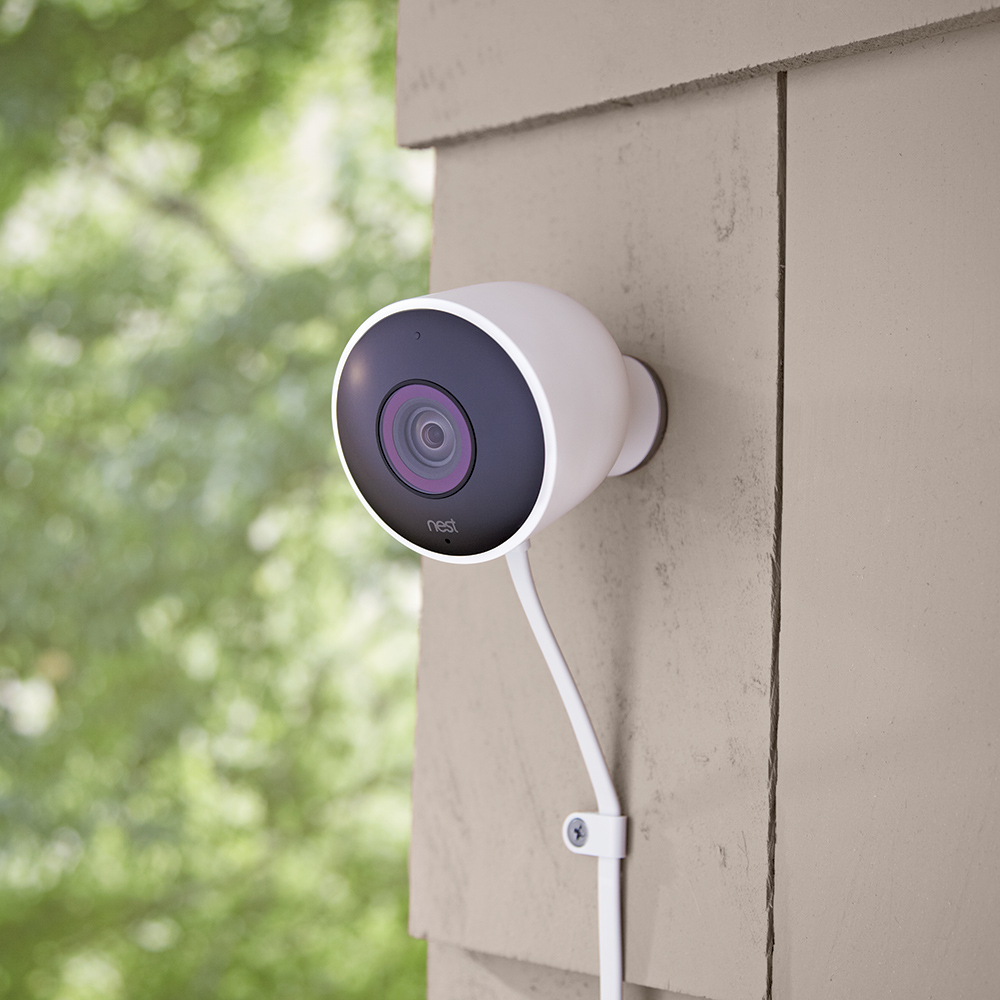
Wired security systems rely on physical cables to connect all components, including sensors, cameras, and control panels. These cables transmit power and data between devices, creating a closed and stable network. Wired security systems have been in use for decades and are widely recognized for their reliability and consistent performance.
Because wired security systems depend on direct connections, they are often installed during construction or major renovations. The wiring is typically concealed within walls, ceilings, or conduits, making the system less visible and more difficult to tamper with. This traditional approach continues to be popular in commercial properties and large facilities where long-term stability is a priority.
Installation Requirements for Wired Security Systems
Installing wired security systems requires careful planning and professional expertise. Since cables must be run through walls and floors, the installation process can be time-consuming and disruptive. In existing buildings, this may involve drilling, cutting drywall, or accessing crawl spaces to route wiring properly.
Despite the complexity, once installed, wired security systems offer a clean and permanent solution. The structured layout ensures consistent communication between components, making these systems particularly effective for properties with fixed layouts and long-term security plans.
Reliability and Performance of Wired Security Systems
One of the strongest advantages of wired security systems is their reliability. Because they do not rely on wireless signals, they are immune to interference from other devices, signal congestion, or network outages. Data transmission remains stable even in environments with heavy electronic usage.
Wired security systems are also less vulnerable to signal jamming, which makes them an appealing choice for high-security applications. Their consistent performance makes them suitable for large-scale installations where uninterrupted monitoring is essential.
What Are Wireless Security Systems?
Wireless security systems use radio signals, Wi-Fi, or cellular networks to communicate between components. Instead of physical cables, these systems rely on wireless protocols to transmit data and alerts. Wireless security systems have gained significant popularity due to their flexibility, ease of installation, and adaptability to modern lifestyles.
These systems are particularly appealing for residential users and small businesses, as they can be installed quickly without extensive structural modifications. Wireless security systems often integrate seamlessly with smart home platforms, offering advanced control and automation features.
Installation Simplicity of Wireless Security Systems
Wireless security systems are known for their straightforward installation process. Most components are battery-powered and communicate wirelessly with the central control panel. This allows users to set up the system with minimal tools and little disruption to the property.
The flexibility of wireless security systems makes them ideal for renters or property owners who anticipate future changes. Devices can be relocated or expanded easily, allowing the system to adapt as security needs evolve.
Connectivity and Signal Considerations
Wireless security systems depend heavily on signal strength and network stability. Factors such as distance, physical obstructions, and interference from other wireless devices can affect performance. While modern wireless technology has significantly improved reliability, these systems still require careful placement and network optimization.
To mitigate potential issues, many wireless security systems include backup communication options, such as cellular connectivity, ensuring continued operation during internet outages.
Wired vs Wireless Security Systems: Key Differences
Understanding the core differences between wired and wireless security systems is essential for selecting the right solution. These differences extend beyond installation and affect long-term usability, cost, and effectiveness.
Cost Comparison and Long-Term Value
Wired security systems typically involve higher upfront installation costs due to labor and materials. However, once installed, they often have lower ongoing maintenance expenses because they do not rely on batteries for individual components.
Wireless security systems usually have lower initial costs and faster setup, making them more accessible for many users. However, ongoing expenses such as battery replacements, network upgrades, or subscription services can add up over time. When evaluating security systems, it is important to consider both short-term affordability and long-term value.
Scalability and Future Expansion
Wireless security systems excel in scalability. Adding new sensors, cameras, or smart devices is relatively simple and does not require additional wiring. This makes wireless security systems highly adaptable for growing households or businesses.
Wired security systems, while scalable, require more planning and effort to expand. Adding new components often involves running additional cables, which may not be practical in all settings. For properties with stable layouts, this limitation may not be a concern, but for dynamic environments, flexibility becomes a key factor.
Maintenance and System Longevity
Maintenance requirements differ significantly between wired and wireless security systems. Wired systems generally require less frequent attention once installed, as they draw power directly and do not rely on batteries for individual sensors.
Wireless security systems require regular monitoring of battery levels to ensure uninterrupted operation. While modern systems provide alerts for low batteries, consistent maintenance is essential to avoid vulnerabilities. Despite this, many users find the convenience of wireless systems outweighs the added responsibility.
Security and Vulnerability Considerations
Security systems are designed to protect against threats, but they must also be resilient against tampering and cyber risks. Wired security systems offer strong physical security due to their closed networks, making them difficult to interfere with remotely.
Wireless security systems rely on encrypted communication protocols to protect data transmission. While encryption standards are robust, these systems require proper configuration to minimize cyber risks. Regular software updates and secure network practices are essential for maintaining the integrity of wireless security systems.
Choosing the Right Security Systems for Your Needs
Selecting between wired and wireless security systems depends on several factors, including property type, budget, and long-term goals. Large commercial properties with permanent layouts often benefit from the stability of wired security systems. Residential users and small businesses may prefer the flexibility and modern features of wireless security systems.
It is also important to consider lifestyle and usage patterns. Users who value smart integrations, remote access, and rapid deployment often find wireless security systems more appealing. Those who prioritize uninterrupted performance and minimal maintenance may lean toward wired security systems.
The Role of Monitoring and Smart Integration
Both wired and wireless security systems can be connected to professional monitoring services. These services provide 24/7 oversight and rapid response in case of emergencies. Wireless security systems often integrate more easily with smart home ecosystems, allowing users to control lighting, locks, and thermostats alongside their security setup.
Wired security systems, while traditionally more standalone, have evolved to support modern software platforms and remote access. As technology advances, the gap between wired and wireless security systems continues to narrow.
Conclusion
Security systems play a vital role in protecting people, property, and assets in an increasingly complex world. The choice between wired and wireless security systems is not about determining which option is universally better, but rather which solution aligns best with specific needs and circumstances. Wired security systems offer unmatched reliability and stability, making them ideal for permanent installations and high-security environments. Wireless security systems provide flexibility, scalability, and modern convenience, appealing to users who value adaptability and smart integration.
By carefully evaluating installation requirements, costs, maintenance, and future expansion, users can select security systems that deliver effective protection and long-term peace of mind. An informed decision ensures that security systems not only meet current needs but also remain reliable as those needs evolve. You’ll find more useful information on our main page.
Frequently Asked Questions
Are wired security systems more reliable than wireless ones?
Wired security systems are generally considered more reliable because they do not depend on wireless signals or internet connectivity. Their direct physical connections ensure consistent communication and reduce the risk of interference or signal disruption.
Do wireless security systems work during power outages?
Most wireless security systems include battery backups and may use cellular connectivity to remain operational during power outages. However, performance depends on battery life and network availability, making regular maintenance essential.
Which security systems are better for renters?
Wireless security systems are typically better suited for renters because they are easy to install, remove, and relocate without structural changes. This flexibility allows renters to maintain security without permanent modifications.
Are wired security systems more secure against hacking?
Wired security systems are less exposed to cyber threats because they operate on closed networks. Wireless security systems rely on encryption and secure protocols, which are effective when properly configured and updated.
Can wired and wireless security systems be combined?
Yes, hybrid security systems combine wired and wireless components to leverage the strengths of both technologies. These systems offer flexibility while maintaining reliable performance, making them suitable for complex security needs.