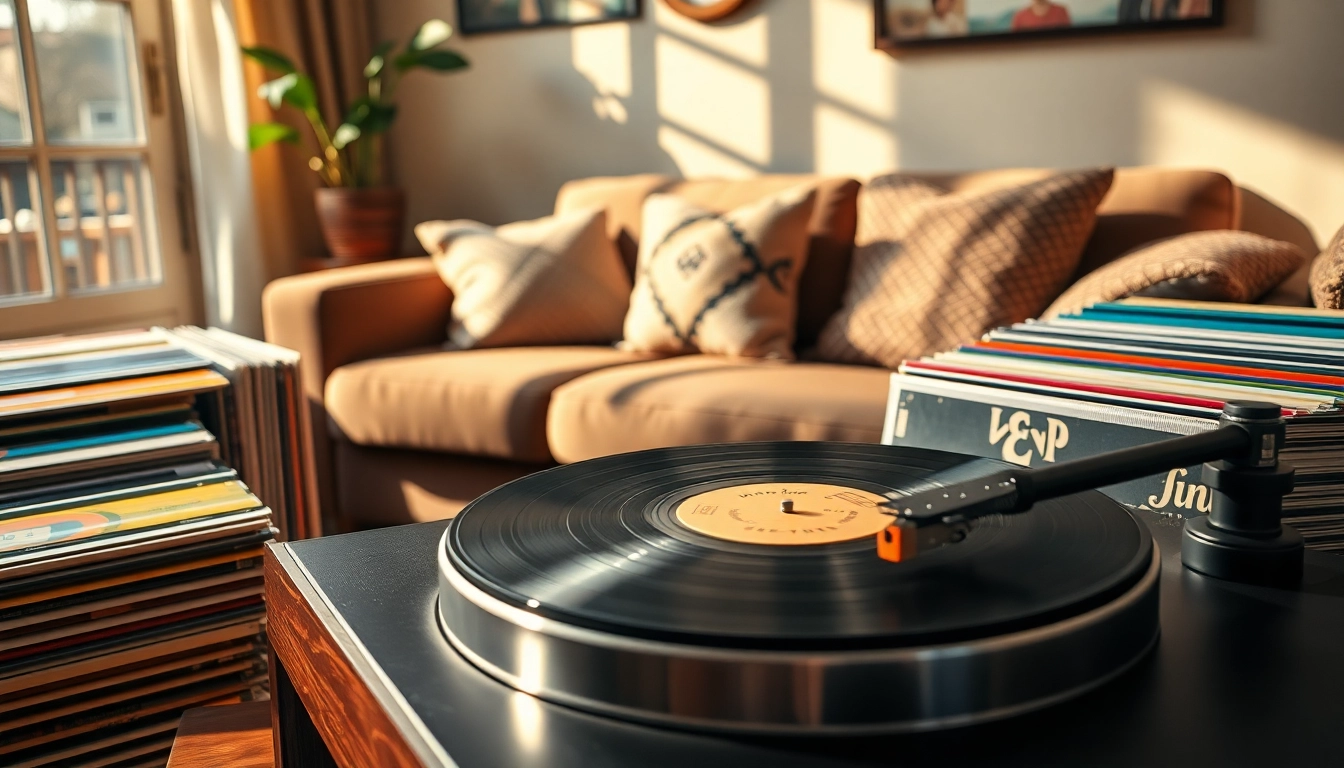
Understanding Vinyl Records
Vinyl records have made an impressive comeback in the music world, charming both old enthusiasts and a new generation of listeners. As tangible music formats become rare in the digital age, the allure of vinyl records is stronger than ever, offering rich sound quality and a unique listening experience. Whether you’re a seasoned collector or a newcomer intrigued by this format, understanding the fundamentals of vinyl records can enhance your appreciation and enjoyment. This article delves into what vinyl records are, their history, and how they work, setting the stage for a deeper exploration of this captivating medium.
What Are Vinyl Records?
Vinyl records are analog sound storage mediums characterized by their flat disc shape, typically 12 inches in diameter, although variations exist. The surface of the vinyl record is inscribed with grooves that contain the audio information, which can be traced by a player’s stylus. Unlike digital music, which is stored in binary format, vinyl records offer a continuous sound wave, leading to a warmth and richness often described as more authentic and engaging. This sound quality is frequently cited as one of the primary reasons for the increasing interest in vinyl records among audiophiles and casual listeners alike.
The History of Vinyl Records
The history of vinyl records is a rich tapestry that reflects technological evolution and cultural shifts. The earliest recording mediums date back to the late 19th century with the invention of the phonograph. However, it was not until the 1930s that the first vinyl records emerged, replacing shellac records. These early records were heavy and fragile, leading to the industry’s gradual transition to the more durable vinyl material. By the late 1940s, the 33 1/3 RPM long-playing (LP) record gained popularity, allowing entire albums to be played on a single disc.
Throughout the mid-20th century, vinyl records became the primary format for music consumption, shaping the music industry. However, the rise of cassette tapes in the 1980s and CDs in the 1990s led to a decline in vinyl sales, pushing the format into obscurity. It wasn’t until the early 2000s that vinyl records experienced a resurgence, driven in part by the nostalgia and tactile experience they provide.
How Vinyl Records Work
Understanding how vinyl records work can enhance your appreciation of the format. Each record consists of a central spindle, a label, and the grooved surface. When a record player’s needle contacts the grooves, it creates vibrations that are converted into electrical signals. These signals are then amplified and transformed into sound by speakers.
The intricacy of the groove pattern is vital to sound quality; the wider and deeper the grooves, the more information they can hold. Moreover, vinyl’s analog nature means that the warmth and depth of sound can evoke a more authentic experience compared to digital formats. Factors such as the quality of the turntable, the stylus, and the speakers can also significantly influence sound playback, emphasizing the importance of investing in quality equipment.
The Different Types of Vinyl Records
LPs vs. EPs vs. Singles
When exploring the world of vinyl records, one encounters various formats, each serving different purposes and preferences. The most commonly recognized formats include LPs, EPs, and singles:
- LP (Long Play): Typically 12 inches in diameter and capable of holding about 30 to 40 minutes of music per side, LPs are favored for their ability to showcase entire albums. They often feature extensive artwork and liner notes, enhancing the overall music experience.
- EP (Extended Play): An EP is somewhat shorter than an LP, usually containing three to five tracks and totaling around 15 to 30 minutes of music. This format is commonly used by artists to release material that doesn't quite fit into the album category, providing a taste of new music without the commitment of a full album.
- Singles: Vinyl singles generally contain one main track and may include a B-side track. These records are ideal for artists promoting a particular song and are typically 7 inches in diameter.
Color Vinyl Records and Special Editions
Vinyl records have also expanded into aesthetically appealing formats such as color vinyl. These records come in vivid hues, marbled patterns, or even picture disc styles featuring imagery directly etched into the vinyl. Collectors often seek these special editions due to their visual appeal and uniqueness, which can add value to their collections. Limited edition releases or exclusive pressings are often produced to commemorate special events, anniversaries, or to celebrate an artist’s legacy, making them highly coveted among fans and collectors alike.
Various Vinyl Record Formats
Beyond the common LP, EP, and singles, the vinyl landscape includes several other formats. For instance, 10-inch records emerged as a popular format, especially during the early years of vinyl, often housing EPs or short compilations. Additionally, 78 RPM records, once standard before the LP format took over, are often sought after by collectors who appreciate vintage sounds from early 20th-century music.
Moreover, modern innovations have introduced audiophile-grade vinyl pressed with superior quality control processes to ensure the best sound quality possible. This vinyl boasts thicker, heavier constructions and promises minimal background noise, enhancing the listening experience even more.
How to Choose the Right Vinyl Records
Selecting Genres and Artists
Choosing the right vinyl records begins with a deep understanding of personal tastes. Exploring different genres and digging into various artists can help define your musical preferences. Whether you are partial to classic rock, jazz, hip-hop, electronic, or indie, each genre has its vibrant history and artist profiles. Take the time to explore playlists or compilations in your favorite genres to identify artists that pique your interest.
Visiting local record stores or online platforms can also introduce you to artists you may not have encountered before. Many stores have staff picks and recommendations that can expand your musical library. Additionally, considering recommendations from friends or listening to radio programs can lead you to hidden gems that may resonate with your tastes.
Evaluating Condition and Quality
When it comes to vinyl records, condition plays a key role in sound quality and value. Before making a purchase, examine both the record and its packaging. Mint condition suggests no visible wear; near mint might have minor flaws but still plays well; very good may show some signs of wear or scratches but remains playable and enjoyable. The good condition implies noticeable wear and might affect sound quality, while acceptable might be barely playable at best with significant scratches.
Understanding grading systems can help you avoid overpaying for records that do not meet your quality standards. Additionally, consider purchasing from reputable sellers who offer a return policy or guarantee to ensure satisfaction with your purchase.
Considerations for Collectors
For avid collectors, specific factors could influence their purchasing decisions. Rarity, uniqueness, and historical importance can increase a record’s value. Additionally, limited releases, hand-numbered editions, or albums with unique artwork may appeal more to collectors looking to enhance their inventory.
It can also be beneficial to stay informed about collector trends and emerging artists through music blogs, forums, and social media. Engaging with communities dedicated to vinyl records can yield valuable insights into what’s new and noteworthy, allowing you to seize opportunities before they become widely recognized.
Playing and Maintaining Vinyl Records
Essential Equipment for Vinyl Records
To truly appreciate the sound quality of vinyl records, investing in the right equipment is crucial. A quality turntable is vital, as it influences how records are played and how sound is reproduced. Look for a turntable with a reliable motor, adjustable tracking force, and a solid base to reduce vibrations that can interfere with listening quality. While entry-level models exist, audiophiles often seek out higher-end equipment for improved performance.
The stylus, or needle, is another critical component. Stylus quality directly impacts sound clarity and precision. Opt for reputable brands known for durability and clarity. Additionally, investing in a good preamp ensures that sound is amplified properly. Depending on your setup, you may need either a built-in or external preamp to connect your turntable to your speakers.
Cleaning and Caring for Vinyl Records
Maintaining the quality of vinyl records requires diligence. Dust, dirt, and fingerprints can compromise sound quality and lead to premature wear. Regularly cleaning your records is essential; use a carbon fiber brush before each play to remove surface debris. For deeper cleaning, consider dedicated vinyl cleaning solutions, or invest in a record cleaning machine for thorough care.
Additionally, handle your records by the edges to avoid oil transfer from your fingers onto the grooves. Store records vertically in a cool, dry place away from direct sunlight to prevent warping or shape distortion. Ensuring records are housed in protective outer sleeves can also preserve their condition and artwork.
Best Practices for Storage
Storage is a critical aspect of maintaining vinyl records and should not be overlooked. Ideal storage conditions involve cool temperatures and low humidity, minimizing the risk of warping, mold, or degradation due to environmental conditions. Vinyl records should be stored vertically to avoid bending and pressure that might distort the disc.
Your storage unit or shelf should offer enough space to accommodate growth in your collection without overcrowding or compromising the integrity of your vinyl records. Avoid horizontal stacking, as this can lead to unnecessary pressure and damage over time. Utilizing specially designed vinyl storage solutions can help organize your collection while providing optimal protection.
The Resurgence of Vinyl Records in Modern Music Culture
Trends in Vinyl Records Popularity
The resurgence of vinyl records marks a fascinating trend in modern music culture. Many listeners appreciate the tangible connection that records offer, juxtaposed with the intangible nature of digital music. The phenomenon represents a broader cultural shift toward nostalgia, as vinyl records symbolize a time when music was more than just a background noise— it was an experience.
Sales data supports this trend, showing year-on-year growth in vinyl records sales, with collectors and new enthusiasts driving demand. Independent labels and emerging artists actively embrace this format, releasing their music on vinyl alongside digital versions, blending old and new for a comprehensive listening experience.
Connecting with the Vinyl Community
Getting involved in the vinyl community can significantly enhance your experience as a vinyl enthusiast. Local record shops often host events such as listening parties, album launches, or vinyl fairs that encourage interaction among collectors and listeners. Participating in these events can introduce you to like-minded individuals who share your passion for this format.
Online platforms and social media groups dedicated to vinyl records provide spaces for fans to connect, share insights, and discuss their favorite albums. Engaging in these communities fosters learning opportunities, allowing members to share tips on searching, evaluating, and caring for vinyl records. Networking with fellow enthusiasts can also yield opportunities to discover new artists, albums, and trends.
The Future of Vinyl Records
The future of vinyl records appears bright amid the ever-changing landscape of the music industry. As technology continues to evolve, artists are likely to explore innovative ways to produce and distribute music through vinyl. Collaborations between digital streaming platforms and vinyl producers might emerge to create hybrid music experiences that cater to both vinyl purists and the digital audience.
Moreover, sustainability trends may drive forward-thinking practices within vinyl manufacturing, leading to more eco-friendly materials and processes. This shift could appeal to environmentally conscious consumers who seek to align their values with their music consumption habits.
As vinyl records continue to thrive, they will remain a testament to a rich musical history while adapting to modern technological advances and consumer preferences, ensuring their place in future music culture.