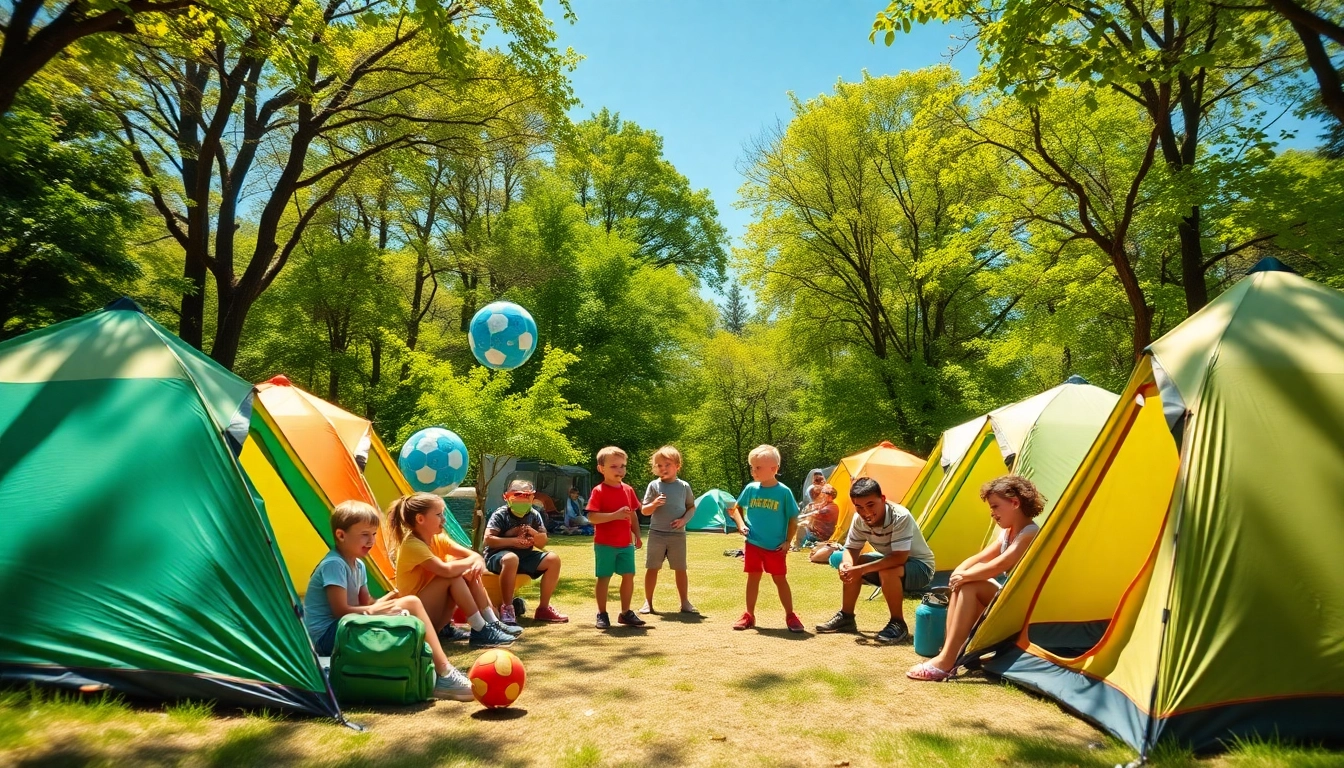
Understanding the Importance of First Time at Overnight Camps
For many children, the first time at overnight camps is a rite of passage, an experience that promises adventure, learning, and growth. As parents, preparing your child for this significant milestone can be both thrilling and daunting. Whether this camp is a week-long escape into nature or a month-long adventure, understanding its importance can help ease both parents' and children's nerves and lay the groundwork for an enriching experience.
Benefits of Overnight Camps for Kids
Overnight camps offer numerous benefits that extend beyond just fun and games. Here are some critical advantages:
- Independence: Kids learn to manage their own schedules, make decisions, and solve problems without parental oversight.
- Social Skills: With campers from diverse backgrounds, children develop empathy, teamwork, and communication skills through group activities.
- Connection with Nature: Many camps focus on outdoor activities, promoting a love for nature and environmental stewardship.
- Self-Discovery: Children can explore new interests, face challenges, and expand their comfort zones, fostering personal growth.
- Memories and Friendship: The bonds formed during shared experiences often lead to lifelong friendships.
What to Expect on the First Day
The first day at camp can be overwhelming for both kids and parents. Expect a mix of excitement and anxiety, as your child navigates new surroundings and faces unknowns. Here’s a breakdown of what typically happens:
- Check-in Process: Camps usually have a structured check-in process, helping kids feel secure amidst the hustle and bustle.
- Meet and Greet: Campers get to meet their counselors and peers, often through icebreaker activities designed to foster camaraderie.
- Tours and Orientation: Most camps provide tours to familiarize campers with essential areas like dining halls, cabins, and recreational facilities.
- First Activity: The day often includes a fun, engaging activity to distract from homesickness and ease worries.
Social Skills Developed at Camp
One of the most significant aspects of attending overnight camp is the opportunity to develop essential social skills. Here’s how camps promote social growth:
- Cooperation: Group activities require children to work together, fostering cooperation and a sense of responsibility.
- Conflict Resolution: With diverse groups, campers learn to navigate disagreements, enhancing their ability to solve conflicts constructively.
- Communication: Sharing thoughts and feelings in activities increases communication skills and builds emotional intelligence.
- Leadership Opportunities: From leading a game to assisting younger campers, camps foster leadership development.
Preparing Your Child for Their First Time at Overnight Camps
Preparation is vital for ensuring your child has a positive experience at camp. The more prepared they are, the less likely they will experience anxiety or homesickness.
Packing Essentials: What to Bring
Creating a comprehensive packing list tailored to your specific camp’s guidelines will ease any pre-camp jitters. Consider including:
- Clothing: Comfortable, weather-appropriate clothes; think layers and easy-to-wear items.
- Toiletries: Essential items like toothbrush, toothpaste, sunscreen, and insect repellent.
- Comfort Items: A favorite blanket or stuffed animal can provide emotional support during the transition.
- Sports Equipment: If attending a sport-centric camp, packing personal gear can be beneficial.
- Label Everything: Clearly label all items to avoid misplacement and disputes with other campers.
Talking About Homesickness
It's essential to address homesickness before camp begins. Here are effective strategies to alleviate concerns:
- Normalize the Feelings: Let your child know it’s common to miss home and reassure them that they can trust their counselors.
- Problem Solving: Frame homesickness as a challenge they can overcome by focusing on fun activities and new friendships.
- Practice Absence: Before camp, try short separations to help your child adjust to being away from home.
- Encourage Communication: Discuss the possibility of writing letters or sending postcards home to keep in touch.
Setting Expectations and Goals
Before your child leaves for camp, it’s essential to set realistic expectations and goals:
- Encourage Openness to Experience: Encourage your child to try new activities and stay open-minded about meeting new friends.
- Individual Goals: Discuss personal goals they would like to achieve while at camp, whether it’s making a new friend or trying a new sport.
- Emphasize Fun and Learning: Remind your child that the camp is about exploration, fun and making memories.
- Positive Affirmations: Give your child tools like positive affirmations to help boost their confidence during their stay.
Safety Measures in Overnight Camps
Safety is a priority for any overnight camp. Parents should understand the protocols in place to ensure their child's well-being.
Health and Emergency Protocols
Reliable camps maintain thorough health protocols:
- Health Forms: Camps often require health forms detailing medical history, allergies, and emergency contacts.
- On-Site Medical Staff: Trained medical personnel are usually present to deal with minor injuries and health concerns.
- Emergency Procedures: Camps have guidelines for fires, severe weather, and medical emergencies that counselors are trained to follow.
Staff Certification and Training
The best camps ensure that their staff are well-trained and certified:
- Background Checks: Staff members undergo comprehensive background checks to ensure child safety.
- First Aid Training: Counselors are often trained in CPR and first-aid to handle medical emergencies.
- Child Development Training: Many camps equip staff with training on child behavior and development to better interact with campers.
Parental Involvement and Communication
Open communication between parents and camp staff fosters trust:
- Pre-Camp Orientation: Many camps hold meetings to educate parents about camp policies and what to expect.
- Regular Updates: Some camps provide regular communication home via letters or emails to update on camp activities.
- Emergency Contacts: Ensure you know how to contact the camp in case of emergency.
Activities Designed for First Time at Overnight Camps
Activities offer opportunities for skill development and personal growth. Here's what you can typically expect:
Creative Arts and Crafts
Artistic endeavors nurture creativity while allowing kids to express themselves. Typical activities may include:
- Painting and Drawing: Using different mediums helps campers explore their artistic talents.
- Craft Projects: Collaborative projects build teamwork and provide a tangible keepsake from camp.
- Performative Arts: Many camps may offer drama classes or talent shows, allowing for skill showcased in a supportive setting.
Sports and Team Building Exercises
Physical activities encourage teamwork while promoting fitness:
- Team Sports: Activities such as soccer, basketball, and volleyball promote sport-specific skills and teamwork.
- Challenges: Group-centric challenges enhance communication and problem-solving capabilities.
- Outdoor Adventures: Opportunities such as hiking and obstacle courses improve not just physical fitness but also teamwork.
Nature Exploration and Outdoor Skills
Connecting children with the natural world is integral:
- Nature Hikes: Engaging with nature through hikes can introduce campers to local wildlife and environmental stewardship.
- Survival Skills: Many camps teach skills like setting up tents, identifying plants, and navigating using a compass.
- Campsite Management: Children learn about responsibility and the environment through care and maintenance of camp facilities.
First Time Feedback: What Parents and Kids Say
Testimonials and stories from previous families can provide invaluable insights.
Testimonials from Parents
Many parents rave about the emotional and educational growth they have witnessed:
“Our child returned from camp more confident and socially adept, taking invaluable lessons away from the experience that we can still see today.”
“We loved hearing our child’s stories about making friends and trying new activities during the first time at overnight camps. The growth was noticeable!”
Camper Reflections: Their Experiences
Kids often share their memories fondly:
“I was nervous at first, but I made my best friends at camp! I love the campfire songs and the arts and crafts. I can’t wait to go back!”
“The fun we had swimming and playing games was amazing; I learned so many new things. It was the best week of my life!”
Building a Sense of Community at Camp
Ultimately, overnight camps foster a strong sense of community:
- Shared Experiences: Campers bond over shared challenges and fun, creating lasting memories that build a communal spirit.
- Support Networks: Friends forged at camp often continue through life, providing emotional and social support.
- Community Values: Camps instill values such as respect, empathy, and cooperation, creating a sense of belonging in campers.
FAQs
1. What is the ideal age for kids to attend overnight camp?
While it varies, many camps accept children from 6 years old. Consider your child's readiness for independence and social interaction.
2. How can I address my child's anxiety about camp?
Discuss feelings openly, provide reassurance, and practice absence at home before camp to help ease their nerves.
3. Are parents allowed to contact their children at camp?
Most camps have guidelines about communication. Many encourage letters and limit phone calls to maintain focus on camp activities.
4. What if my child feels homesick during camp?
Encourage your child to speak with their counselor, keep busy with activities, and remind them that homesickness is common.
5. How are safety and medical emergencies handled at camp?
Camps typically have trained medical staff, emergency protocols, and health forms to address any safety concerns efficiently.