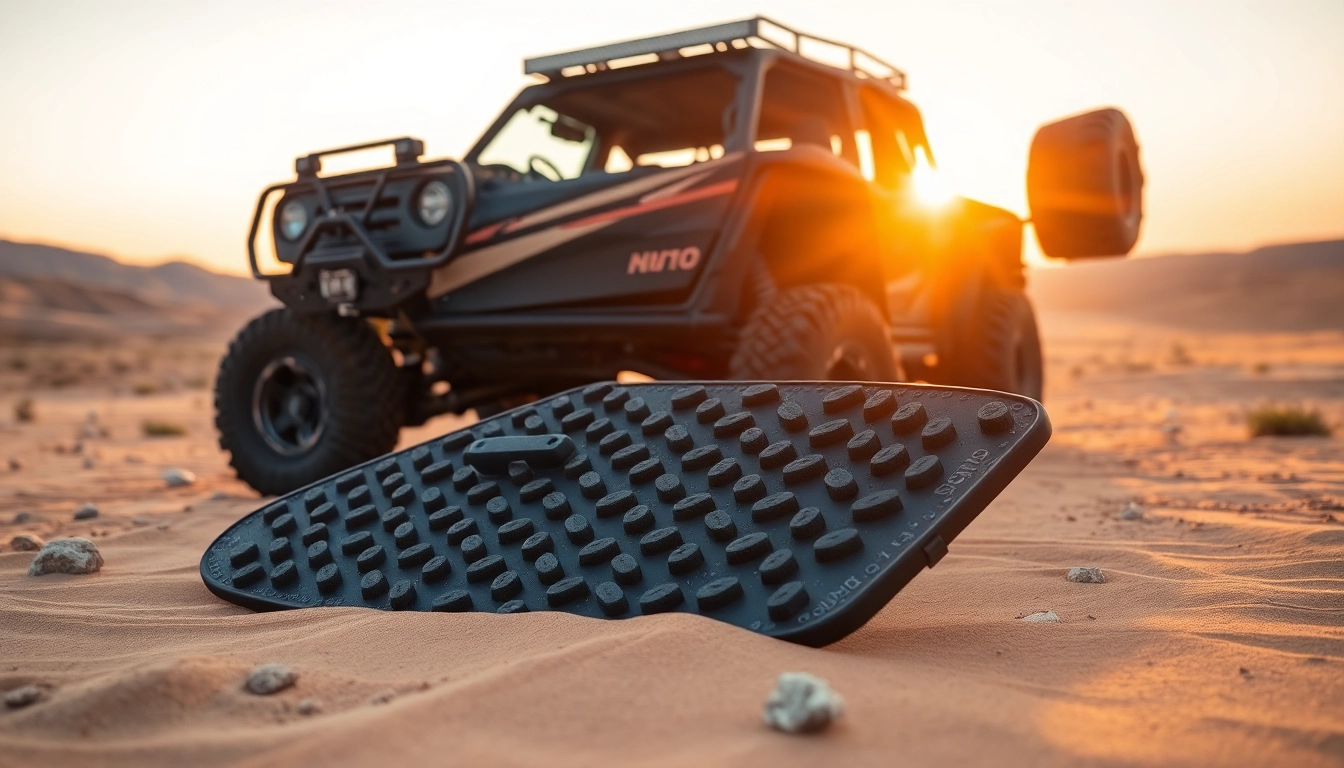
Understanding Traction Boards
What Are Traction Boards?
Traction boards are essential recovery tools designed for off-road vehicles, providing vital assistance when your vehicle becomes stuck. Typically made from durable materials, these boards feature a textured surface that aids in gaining traction on slippery or uneven terrain, such as mud, sand, or snow. They are a practical solution for anyone venturing into challenging environments, enhancing both safety and mobility.
How Traction Boards Work
The working principle of traction boards is straightforward. When a vehicle gets stuck, placing the traction boards beneath the tires creates a solid surface for the tires to grip. The textured surface prevents tire slippage, allowing vehicles to escape from mud, sand, or snow. Many models feature angled edges to assist in guiding the vehicle onto the board without getting stuck. The process is simple: position the boards under the afflicted tires, apply gentle throttle, and the vehicle uses the added grip to move out of the stuck position.
Benefits of Using Traction Boards
Utilizing traction boards offers numerous advantages for off-road enthusiasts and outdoor adventurers. Firstly, they provide immediate assistance in recovery situations, minimizing downtime when stuck. They are portable, lightweight, and easy to store, making them ideal companions for camping, off-roading, and other adventure activities. Moreover, traction boards can often be reutilized, making them a cost-effective solution for multiple recovery scenarios.
Choosing the Right Traction Boards
Key Features to Consider
When selecting traction boards, several key features should be evaluated to ensure optimal performance. Consider the grip pattern on the surface, which should be designed to maximize traction based on the likely terrain. Additionally, the board's length and width are crucial; longer boards offer better support in deeper conditions, while wider boards provide more surface area for enhanced grip. Flotation efficiency is also a noteworthy factor—boards designed with angled ends help them ride up onto surfaces rather than sink into soft ground.
Top Materials for Durability
The construction material of traction boards will directly influence their durability and effectiveness. High-density polyethylene (HDPE) is a popular choice due to its resistance to UV rays and extreme temperatures. Some models incorporate aluminum or fiberglass for added toughness, especially in rugged terrains, while ensuring they remain lightweight enough for easy handling and transport. When making a selection, look for warranty options that reflect the manufacturer's confidence in their material choices.
Size and Weight Considerations
Size and weight are paramount when considering traction boards, especially for vehicle types and the nature of the terrain typically encountered. Lightweight boards are easier to handle and carry, yet they should also be sufficiently robust for on-demand recovery needs. Ideally, choose a size that complements your vehicle—boards that are too small may become ineffective, while excessively large boards can become cumbersome. A good rule of thumb is to choose a board that matches or exceeds a vehicle’s tire size for the best results.
Using Traction Boards Effectively
Setup Procedures for Optimal Use
Proper setup of traction boards is vital for effective use. Start by assessing the situation from a safe distance. Make sure the area surrounding the vehicle is free from obstacles. Place the traction boards directly in line with the rear tires, ensuring they are positioned at an angle leading towards the intended path of travel. Always ensure that the car is in gear, and then gradually accelerate as the tires touch the boards, allowing them to regain grip slowly rather than spinning too quickly and increasing the risk of further entrapment.
Common Mistakes to Avoid
Avoiding common pitfalls can make a substantial difference in utilizing traction boards effectively. One prevalent mistake is improper placement; be sure the boards are aligned with the tires without delay, as hesitant positioning can lead to sinking. Over-acceleration can also be detrimental, causing the tires to spin excessively and potentially lead to further complications. Ensure to clear snow or debris off the boards if they become obstructed, which can otherwise hinder effectiveness.
Situational Usage Scenarios
Situational usage scenarios for traction boards vary, but they commonly include muddy trails, snowy environments, or loose sand. In muddy conditions, place the boards before the tires register significant sinking. In snow, clear a small pathway and use multiple boards for additional traction. Similarly, on sandy surfaces, ensure the boards are fully beneath the tires, allowing them to find firm ground. Each scenario requires a methodical approach to ensure the boards perform properly under varying circumstances, maximizing their utility during recovery efforts.
Maintenance and Care for Traction Boards
Cleaning and Storage Guidelines
Regular cleaning and proper storage can extend the life of your traction boards significantly. After each use, particularly in muddy or sandy conditions, rinse off any debris using water and a mild soap solution. Ensure they are completely dry before storing to prevent mold or mildew growth. Store them flat in a location that is shielded from extreme temperatures and direct sunlight, which can degrade material over time. A well-maintained board is always ready for action when needed.
Regular Inspections for Damage
Conducting regular inspections is crucial for ensuring your traction boards remain functional and effective. Look for any visible cracks, wear, or deformities in the material that could impair performance. In high-stress environments, even durable boards may experience fatigue. If significant damage is noted, consider replacing them to ensure peak performance during critical recovery situations. Regularly check the securing mechanisms, if applicable, to maintain ease of use.
Long-term Care Strategies
For long-term care, consider implementing protective measures. Applying a UV protectant can extend the lifespan of materials exposed to sunlight. Avoid contact with harsh chemicals during cleaning, opting instead for solutions specifically designed for outdoor gear. Above all, handle with care—avoid dropping or handling them roughly, as this can lead to unseen damage that affects their performance when next needed.
FAQs About Traction Boards
What is the best way to use traction boards?
Align them with the tires for optimal grip and traction in mud or snow.
How do I clean my traction boards?
Use water and mild soap to clean off dirt, and dry them thoroughly to prevent warping.
Can traction boards be used on all terrains?
Yes, they are designed to work effectively on various surfaces, including sand and mud.
Are traction boards portable?
Most models are lightweight and compact, making them easy to transport during off-road adventures.
Do I need to buy a specific brand of traction boards?
No, focus on features and materials over branding for the best performance.
When it comes to off-road adventures, having the right tools is crucial. The Traction Boards exemplify how essential equipment can contribute vastly to both safety and convenience in challenging environments. Armed with the knowledge outlined above, you are now prepared to make informed decisions and tackle various terrains with confidence.