Understanding the Multi-Store Concept
Defining Multi-Store Platforms
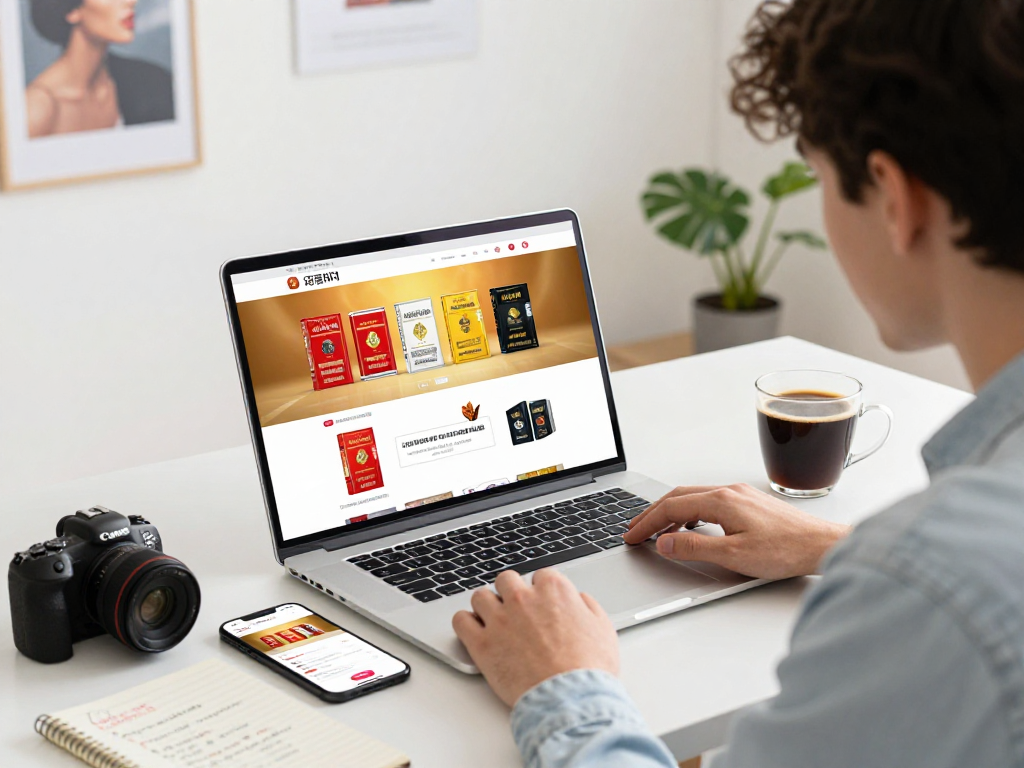
The concept of a Multi-Store platform emerges from the need for modern retailers to streamline their operations and enhance customer engagement across multiple brands. Essentially, a Multi-Store platform enables businesses to manage various online stores from a single interface. This capability allows for centralized control over inventory, pricing, customer data, and marketing, making it a pivotal strategy in today’s retail environment.
Benefits of Implementing Multi-Store
Implementing a Multi-Store system offers myriad advantages for retailers, particularly in terms of efficiency, productivity, and customer satisfaction:
- Centralized Management: With a single dashboard, managing multiple brands becomes simpler, allowing for quicker adjustments and strategy implementations.
- Cost Efficiency: Shared resources, such as inventory and staff, can lead to significant cost savings.
- Consistency in Branding: Maintaining a uniform brand message across different stores ensures a cohesive identity and customer recognition.
- Enhanced Customer Experience: Customers benefit from a seamless shopping journey across various store fronts with personalized recommendations based on their preferences.
Common Use Cases for Multi-Store
Several scenarios highlight the effectiveness of Multi-Store implementations:
- Franchise Models: Businesses that franchise can use a Multi-Store platform to allow franchisees to operate independently while maintaining brand standards.
- Diverse Product Lines: Retailers with various product lines can target different customer segments under separate stores while utilizing the same backend system.
- Global Expansion: Companies venturing into international markets can set up localized stores tailored to regional preferences aligned with their central management.
Setting Up Your Own Multi-Store
Choosing the Right Platform for Multi-Store
Choosing the right platform is crucial for a successful Multi-Store setup. Look for features such as:
- Scalability: It should accommodate business growth without extensive upgrades.
- User-Friendly Interface: For both store managers and customers, an intuitive interface simplifies operations.
- Integration Capabilities: Ensure compatibility with third-party applications like payment processors and shipping services.
Step-by-Step Setup Guide
Setting up a Multi-Store can be an intricate process, but following these steps can help simplify it:
- Research and Choose a Suitable Platform: Evaluate options based on your specific business needs.
- Plan Your Store Structure: Decide how many stores you want, the products they’ll offer, and target markets.
- Configure Each Store: Tailor designs, inventory settings, and configurations for each brand or product line.
- Set Up Payment Gateways: Integrate reliable payment solutions for a secure transaction experience.
- Test Before Launch: Run a thorough trial to identify and rectify any issues ahead of going live.
Essential Features and Integrations for Multi-Store
Utilizing the right features can significantly enhance the efficiency of your Multi-Store operation. These include:
- Inventory Management: Track stock levels across all stores in real-time to avoid overstocking or stockouts.
- Analytics and Reporting Tools: Gain insights into sales performance, customer behavior, and inventory turnover to inform decision-making.
- Multi-channel Marketing Tools: Facilitate marketing campaigns across various platforms to reach a broader audience effectively.
- Customer Relationship Management (CRM): Keep track of customer interactions to deliver personalized shopping experiences.
Optimizing User Experience in Multi-Store
Design Strategies for Multi-Store Layouts
The layout of your Multi-Store can drastically affect user engagement. Consider these strategies:
- Consistent Branding: Use similar colors, fonts, and logos across your stores to foster a unified brand image.
- Mobile Responsiveness: Ensure that your Multi-Store performs seamlessly on mobile devices, as increasing numbers of consumers shop via smartphones.
- User-Centric Navigation: Design intuitive menus and search functionalities that make finding products straight-forward for users.
Enhancing Navigation and Product Discovery
Making it easy for customers to find what they’re looking for is a critical aspect of the user experience. To enhance navigation:
- Implement Filters and Sorting Options: Allow shoppers to narrow down their choices based on price, popularity, or reviews.
- Utilize Category Pages: Clearly categorize products to enable users to browse effortlessly.
- Recommend Related Products: Employ algorithms that suggest similar products to increase cross-selling opportunities.
Implementing Customer Feedback Mechanisms
Gathering customer feedback is essential for continuous improvement. Here are ways to implement effective feedback loops:
- Surveys and Polls: Regularly ask customers for their input on products and services.
- Review Sections: Allow customers to leave reviews and ratings on products to encourage engagement and potential trust from new customers.
- Social Media Insights: Monitor comments and messages on social media platforms to understand customer sentiments and take action accordingly.
Marketing Strategies for Multi-Store
Promotional Techniques Tailored for Multi-Store
Effective marketing is essential for the success of a Multi-Store. Tailored promotional techniques may include:
- Cross-Promotions: Leverage existing customer bases by promoting products from one store to another.
- Seasonal Campaigns: Create marketing strategies around major holidays, leveraging special offers and discounts.
- Loyalty Programs: Introduce loyalty programs to reward repeat customers across all stores.
Utilizing Social Media and Online Advertising
In the digital era, social media and online advertising are key to reaching a wider audience. Strategies to consider include:
- Targeted Ads: Utilize data-driven insights to target specific demographics with your advertisements on platforms such as Facebook and Instagram.
- Content Marketing: Share valuable content that resonates with your target audience to drive traffic and improve brand loyalty.
- Influencer Collaborations: Partner with social media influencers in your niche to extend the reach of your campaigns.
Measuring Marketing Success in Multi-Store
To assess the effectiveness of your marketing efforts, you must track various performance metrics:
- Conversion Rates: Monitor how many visitors turn into paying customers across each store.
- Customer Acquisition Cost (CAC): Calculate how much you spend to acquire a new customer to gauge marketing efficiency.
- Return on Investment (ROI): Evaluate the returns generated from your marketing expenditure to ensure profitability.
Future Trends in Multi-Store Management
Emerging Technologies Impacting Multi-Store
Emerging technologies are set to transform Multi-Store operations significantly:
- Artificial Intelligence: AI can analyze customer data to deliver personalized experiences, enhancing engagement and loyalty.
- Augmented Reality: AR can be useful in providing virtual previews of products, which can help in reducing return rates.
- Automation Tools: Automating essential processes like inventory management and customer service through Chatbots can save time and reduce errors.
Adapting to Market Changes with Multi-Store
Flexibility is crucial in retail. To remain competitive:
- Market Analysis: Continuously analyze market trends and customer preferences to pivot strategies effectively.
- Responsive Stock Management: Adapt inventory based on emerging seasonal demands and consumption patterns to avoid sales loss.
- Diverse Marketing Approaches: Stay updated on marketing trends to employ innovative strategies that resonate with your audience.
Long-Term Strategies for Multi-Store Growth
For sustained growth, consider these long-term strategies:
- Building Brand Loyalty: Engage with your customer base regularly through newsletters, loyalty programs, and targeted content.
- Diverse Product Offerings: Continually expand your product lines to meet the changing needs and desires of your customers.
- Regular Assessments: Periodically review and adjust your Multi-Store strategies to ensure they align with business goals and market conditions.
FAQs
What is a Multi-Store?
A Multi-Store is a retail strategy that allows you to manage multiple stores or brands from a single platform, offering centralized control.
What are the benefits of Multi-Store?
Multi-Store provides streamlined management, unified marketing efforts, and enhanced customer experiences across various locations or brands.
How do I set up my Multi-Store?
Setting up a Multi-Store involves selecting a compatible platform, configuring settings, and customizing layouts to fit your brand strategy.
What features should a Multi-Store have?
Essential features include inventory management, reporting tools, multi-channel marketing options, and user-friendly navigation.
How can I market my Multi-Store effectively?
Effective marketing strategies include targeted social media campaigns, influencer partnerships, and utilizing SEO to drive traffic to your Multi-Store.