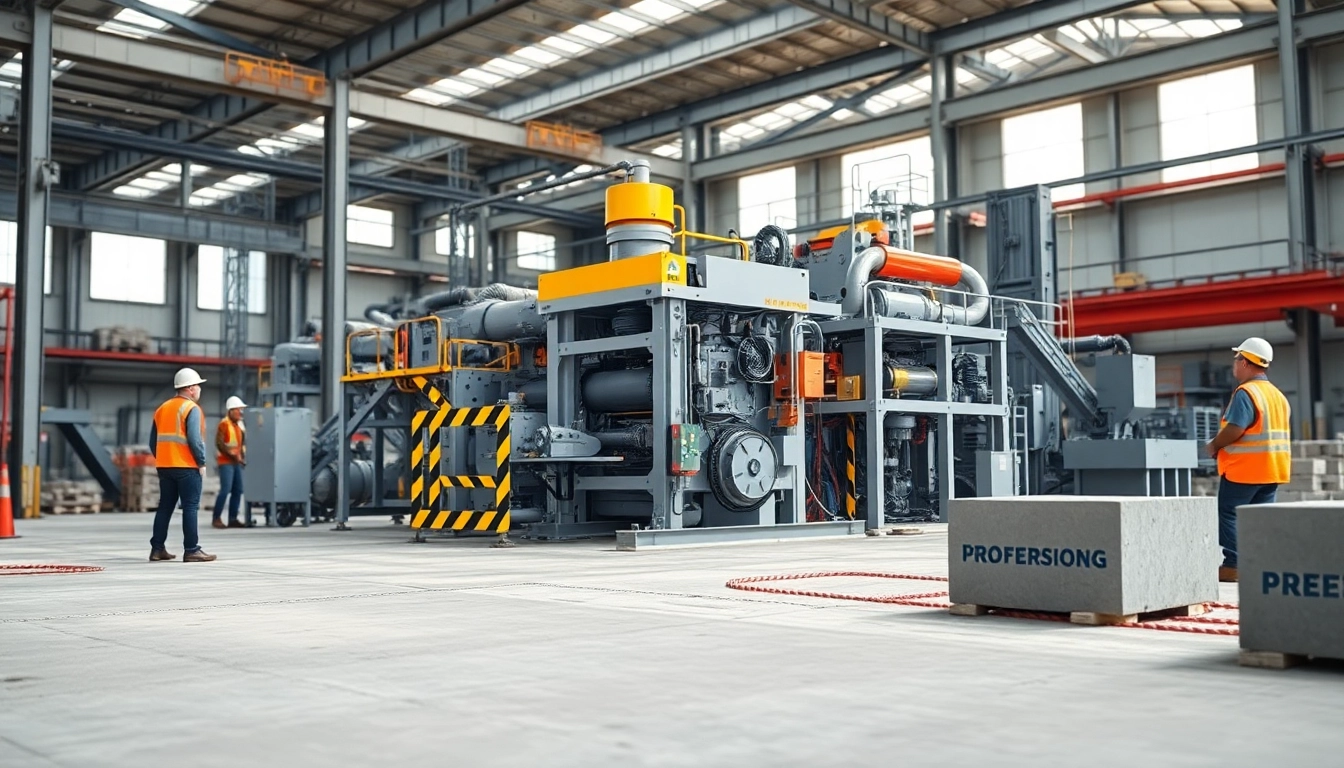
Understanding Warehousing: The Basics
What is Warehousing?
Warehousing is an essential component of logistics and supply chain management that involves the process of storing goods in a designated area before they are distributed to their final destinations. This can include raw materials waiting for production, goods that are ready for sale, or products that are awaiting shipment. By utilizing a warehousing system, businesses can manage inventory effectively while ensuring that flow of goods aligns with demand. This dynamic system not only contributes to business efficiency but also plays a pivotal role in boosting customer satisfaction by providing timely product availability.
The Role of Warehousing in Supply Chain Management
Warehousing serves as a bridge in the supply chain, connecting production processes with distribution systems. It helps in managing inventory levels and allows businesses to respond quickly to market demands. Efficient warehousing can lead to reduced transportation costs, enhanced inventory accuracy, and improved order fulfillment rates. In a well-integrated supply chain, warehousing optimizes the flow of goods, ensuring that products are stored and retrieved systematically to meet customer expectations.
Common Types of Warehousing Solutions
There are various types of warehousing solutions, each designed to meet specific needs within the supply chain. Some of the most common types include:
- Public Warehouses: These are storage facilities managed by third-party providers that offer space and services to multiple companies.
- Private Warehouses: Owned and operated by a company for its own inventory needs, these facilities allow for greater control and customization.
- Distribution Centers: Specially designed to facilitate the rapid movement of goods to retailers and customers, often featuring advanced technology.
- Cold Storage Warehouses: These are climate-controlled facilities used for perishable items like food and pharmaceuticals, maintaining strict temperature and humidity levels.
- Automated Warehouses: Utilizing robotics and automated systems to streamline storage and retrieval processes, improving efficiency and accuracy.
Key Components of Efficient Warehousing
Warehouse Layout and Design
A well-thought-out warehouse layout is crucial for maximizing the efficiency of operations. Factors like the flow of goods, the arrangement of shelves, and the space designated for loading and unloading affect overall productivity. An optimal layout should minimize travel time for employees and equipment while ensuring that high-demand items are easily accessible. Techniques like cross-docking, where incoming goods are directly moved to outbound transportation, are also helpful in reducing handling time and costs.
Inventory Management Techniques
Effective inventory management is vital for minimizing costs and maximizing service levels. Techniques like Just-In-Time (JIT), where materials are ordered only when needed, can be implemented to reduce holding costs. Furthermore, methods like ABC analysis can categorize inventory based on importance and usage, allowing for focused management strategies. Utilizing inventory management software can also enhance tracking and forecasting capabilities, ensuring that stock levels are never too high or too low.
Technology Integration in Warehousing
Emerging technologies are transforming warehousing operations. Integrating automated systems, such as robotics for picking and packing, can greatly enhance productivity. Warehouse Management Systems (WMS) provide real-time data analytics for inventory control and streamline order processing. RFID technology facilitates tracking of goods throughout the supply chain, improving accuracy and visibility. Data-driven decision-making, enabled through these technologies, supports better resource allocation and operational efficiency.
Challenges in Warehousing Operations
Identifying Common Warehouse Challenges
Despite the best practices, warehouses face various challenges that can hinder operational efficiency. Common issues include inventory mismanagement, labor shortages, and difficulty in adapting to changing consumer demands. Additionally, space constraints can lead to overcrowding, making it harder to locate and manage products efficiently. Understanding these challenges is the first step toward creating effective solutions that enhance overall performance and sustainability.
Strategies to Overcome Warehousing Challenges
To tackle these challenges, organizations can adopt several strategies. First, investing in employee training can improve operational efficiency and morale. Implementing more effective inventory management practices and utilizing technology for better data accuracy can also help alleviate issues. Moreover, regular performance audits can identify bottlenecks, enabling businesses to streamline operations and optimize storage space.
Case Studies of Successful Problem Solving
Examining case studies of warehouses that have successfully navigated operational challenges reveals invaluable insights. For instance, a major retailer improved inventory accuracy by deploying WMS and RFID technology, which reduced stock discrepancies by 25%. Another distribution center adopted lean warehousing principles, resulting in a 30% reduction in operational costs. These cases demonstrate that thoughtful investment in technology and process strategies can yield significant improvements.
Best Practices for Warehousing Efficiency
Streamlining Warehouse Processes
Streamlining processes is critical for enhancing operational efficiency in warehousing. Techniques like Lean Manufacturing focus on eliminating waste and optimizing workflow. For instance, adopting a pick-to-light system can allow workers to locate items faster, cutting down on retrieval times. Regularly reassessing and fine-tuning processes based on performance metrics also helps in identifying areas for improvement and maintaining productivity.
Employee Training for Optimal Performance
Investing in employee training is essential for ensuring optimal performance in warehousing operations. Training programs should focus on system usage, safety protocols, and best practices for inventory handling. Continuous learning opportunities can empower employees to take ownership of their roles and contribute to strategic objectives. A well-informed workforce enhances efficiency, reduces turnover, and drives higher levels of customer satisfaction.
Monitoring and Measuring Success in Warehousing
To gauge the effectiveness of warehousing strategies, implementing performance metrics is crucial. Key Performance Indicators (KPIs) such as order accuracy, inventory turnover, and picking efficiency provide insights into operational performance. Regular reviews of these metrics can help identify trends and address potential issues before they escalate. Employing a data-driven approach ensures objective assessments and leads to proactive improvements across the warehousing processes.
The Future of Warehousing: Trends and Innovations
Emerging Technologies in Warehousing
The future of warehousing is heavily influenced by technological advancements that are reshaping logistics operations. Innovations such as artificial intelligence (AI), machine learning, and the Internet of Things (IoT) are streamlining inventory management and enhancing decision-making capacities. Automated picking systems and drones for delivery are not only reducing labor costs but also improving accuracy and speed in warehousing operations.
Sustainability Practices in Warehousing
Sustainability is becoming increasingly important within warehousing operations. Implementing environmentally friendly practices such as energy-efficient lighting, solar panel installations, and optimizing transportation routes can significantly reduce a warehouse's carbon footprint. Companies that prioritize sustainability not only comply with stricter regulations but also align with the growing consumer demand for eco-conscious practices, thereby enhancing brand loyalty.
Preparing for the Future of Warehousing
Preparing for the future of warehousing requires continuous adaptation and innovation. Organizations should invest in research and development to keep pace with emerging trends. Building a resilient supply chain that can endure disruptions in the marketplace is crucial. By fostering a culture of agility and responsiveness, warehouses can navigate uncertainties and capitalize on new opportunities as they arise.
Frequently Asked Questions
What is the primary function of a warehouse?
The primary function of a warehouse is to store goods and materials temporarily until they are needed for production or distribution, playing a vital role in the logistics and supply chain.
How can technology improve warehousing efficiency?
Technology enhances warehousing efficiency by automating processes, improving inventory accuracy with systems like WMS, and streamlining order fulfillment with tools like robotics.
What are key performance indicators for warehousing?
Key performance indicators (KPIs) for warehousing include order accuracy, inventory turnover, picking efficiency, and storage utilization, which help assess operational performance.
How does employee training impact warehousing operations?
Employee training improves warehouse operations by equipping staff with skills for safety, technology usage, and best inventory practices, leading to greater efficiency and lower errors.
What are some modern trends in warehousing?
Modern trends in warehousing include automation, the use of artificial intelligence, the adoption of sustainability practices, and the integration of the Internet of Things (IoT) for enhanced operations.