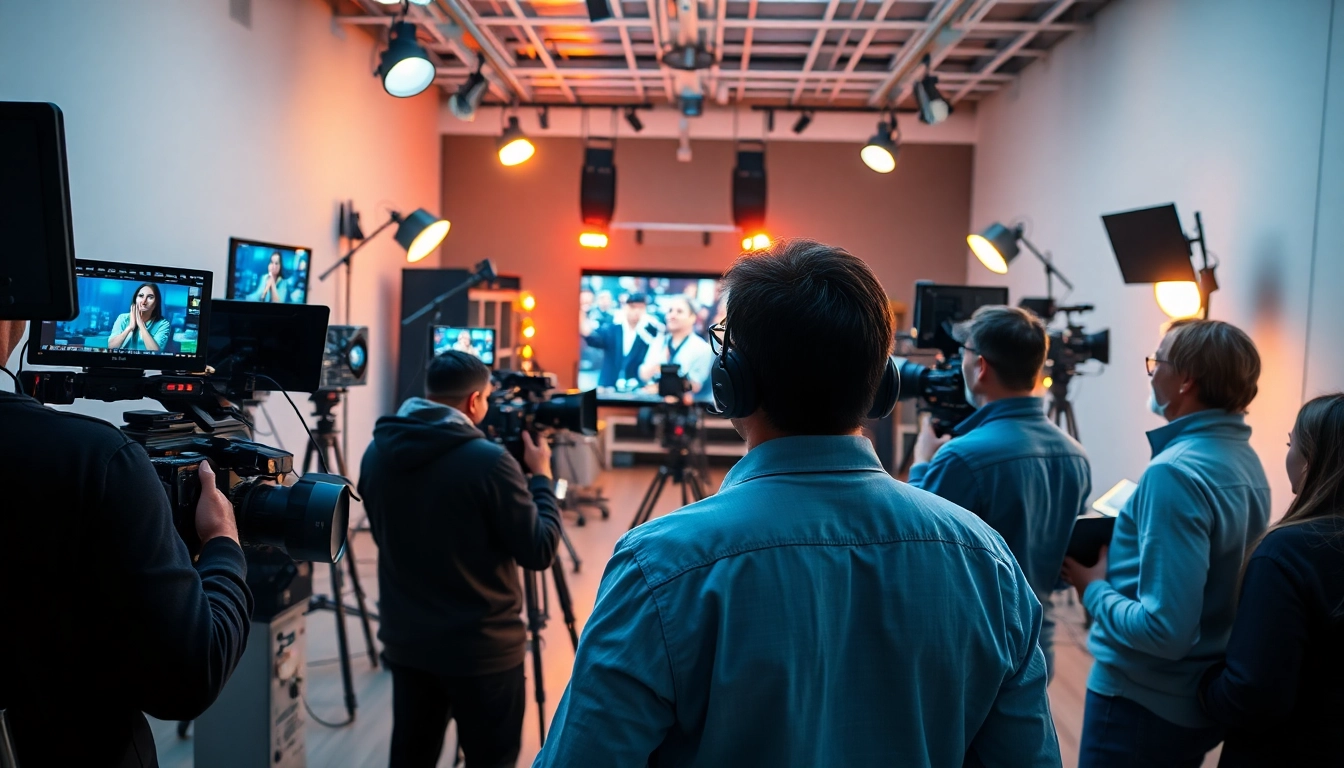
Understanding the Fundamentals of Video Production
What is Video Production?
Video production is the comprehensive process of creating video content. It encompasses everything from the initial concept and scripting through to filming and editing. This fascinating field mirrors the world of filmmaking, yet distinguishes itself by relying heavily on digital technology. As a blend of creativity and technical expertise, video production has become an essential tool in communication, marketing, education, and entertainment. In today's digital landscape, knowing how to successfully navigate the world of video production can significantly enhance the impact of any message delivered through audiovisual media.
Key Stages of Video Production
The video production process is typically divided into five key stages: planning and development, pre-production, production, post-production, and distribution. Each stage plays a vital role in ensuring that the final product is polished, effective, and engaging.
- Planning and Development: This phase involves brainstorming ideas, developing concepts, and outlining objectives. It's crucial to determine the target audience and the goals of the video.
- Pre-Production: This stage entails thorough preparation. Decisions on scripting, storyboarding, casting, scouting locations, and scheduling are critical. Pre-production sets the groundwork for a smooth filming process.
- Production: This is when the actual filming takes place. All the moving parts come together as the script is brought to life with camera work, directing, talent, and crew.
- Post-Production: After filming, the footage is edited. This includes cutting scenes, adding sound effects and music, and inserting graphics or animation to deliver a coherent final product.
- Distribution: The final stage involves sharing the video with the intended audience. This may include leveraging social media, websites, email campaigns, and other platforms to maximize reach.
Essential Equipment for Video Production
The quality of a video is significantly influenced by the equipment used during production. Essential tools include cameras, microphones, lighting, and editing software. Depending on the project's scale, the type of equipment may range from professional-grade to consumer-level gear. Outlining the required equipment can help streamline the production process and ensure that the final product meets professional standards.
Planning Your Video Production Effectively
Setting Clear Objectives and Goals
Clear objectives are fundamental to a successful video production. Goals should align with the overall messaging strategy, whether it aims to inform, entertain, persuade, or promote. By defining these targets at the outset, you prepare yourself to create focused content that resonates with your audience. Use the SMART criteria (Specific, Measurable, Achievable, Relevant, Time-bound) to set objectives that guide your project.
Creating a Compelling Script and Storyboard
A well-crafted script serves as the foundation for any videographic content. It should convey the intended message clearly while telling a captivating story. Following the script, creating a storyboard visually represents the video's concepts, scene-by-scene. This tool aids in visualizing how the final product will unfold, allowing for adjustments before they reach the production phase.
Assembling Your Production Team
Having a skilled and diverse crew is critical for effective video production. Key roles often include the director, producer, cameraman, sound engineer, and editor. Each team member contributes unique skills that enhance the production quality. Assembling a team should factor in experience, creativity, and the ability to collaborate towards a shared vision.
Executing the Production Process
Best Practices for Filming
Filming requires meticulous attention to detail. Some best practices include ensuring proper lighting, framing shots effectively, and maintaining clear audio quality. Utilizing a shot list can keep the crew organized and ensure that all required footage is captured without missing essential scenes. Regular communication between team members can also help solve problems as they arise on set.
Managing Production Challenges
Production can present a range of unexpected challenges, from weather changes to technical malfunctions. Being prepared with contingency plans is vital for minimizing disruptions. Regular equipment checks and having backup gear on hand can mitigate risks. Furthermore, fostering an adaptable crew environment encourages quick problem-solving when issues arise.
Utilizing Technology in Video Production
The advent of digital technology has revolutionized the landscape of video production. High-definition cameras and drones allow for increasingly innovative filming techniques. Additionally, software advancements in editing and special effects have made post-production more efficient and creative than ever. Embracing these technologies can lead to compelling and visually stunning content.
Post-Production: Bringing Your Vision to Life
Editing Techniques for Engaging Content
Editing is where the magic truly happens. Effective editing techniques include pacing, continuity, and incorporating visual effects that enhance the narrative without overwhelming it. A compelling edit will keep the audience engaged, guiding them through the content seamlessly. It can often be beneficial to have fresh eyes review the content, as outside perspectives might provide insights that enhance final edits.
Adding Music and Sound Effects
Audio plays a crucial role in video production. The right soundtrack can evoke emotions, while sound effects enhance realism. Paying attention to sound levels and quality ensures a polished final product. Licensing music and effects properly is also important, as it maintains legal compliance and ensures that the production can be distributed without conflicts.
Color Grading for a Professional Finish
Color grading enhances the visual storytelling and sets the tone for the video. By adjusting color balance, contrast, and saturation, editors can create a specific mood or aesthetic that aligns with the video’s message. This final polish can significantly affect viewer perception and engagement.
Measuring the Impact of Your Video Production
Analyzing Viewer Engagement and Feedback
Post-release, it's essential to analyze how the content has performed. Metrics such as views, likes, shares, and comments provide insight into viewer engagement. Collecting feedback through surveys or direct comments can also reveal audience sentiments and areas for improvement.
Using Metrics to Improve Future Productions
Data gathered from previous productions can inform future video strategies. Understanding what worked— and what didn't— empowers producers to refine their approach, ensuring a better alignment with audience preferences and improved production efficiency.
Strategies for Effective Distribution and Promotion
Finally, effective distribution strategies can amplify the reach of the video. Utilizing various platforms, including social media, video hosting sites, and partnerships with influencers, can broaden the audience base. Implementing SEO strategies in video descriptions and titles can also improve discoverability while driving more views over time.