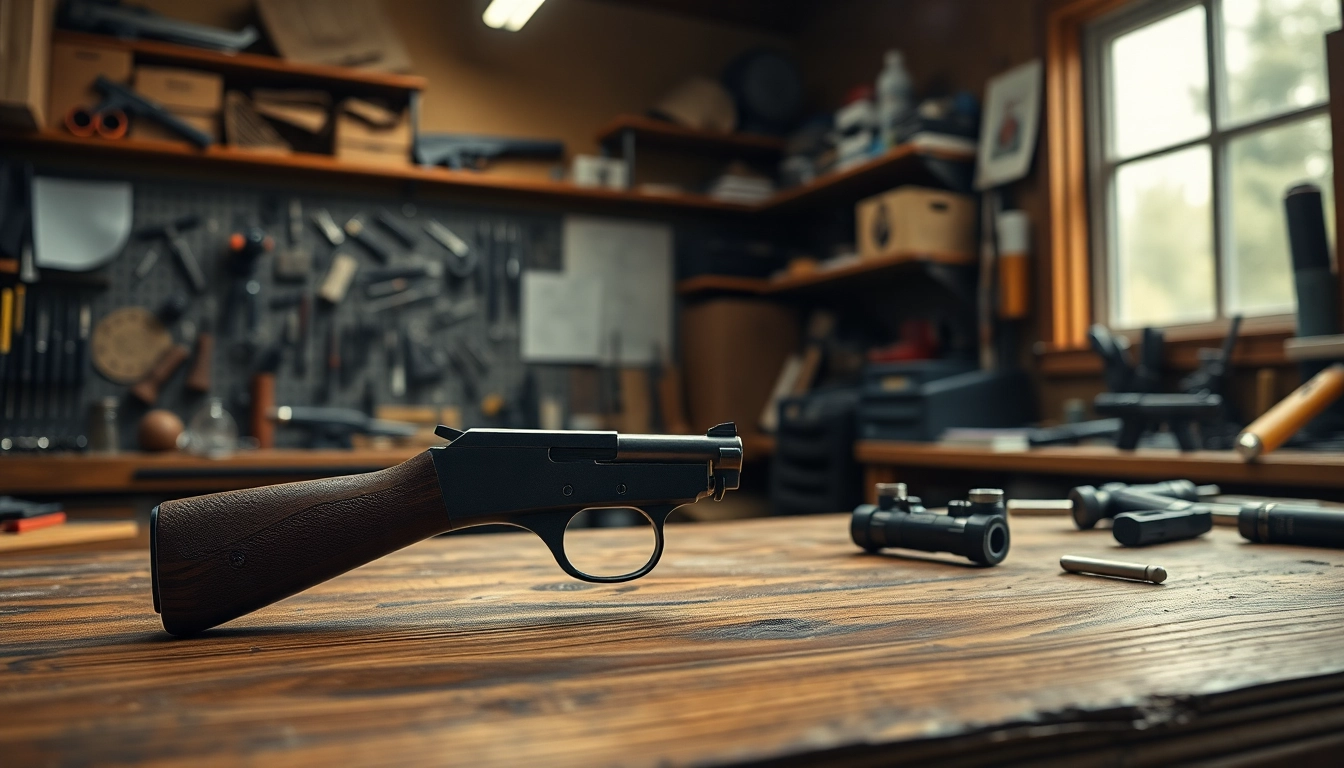
Understanding the 3 Position Forced Reset Trigger
What is a 3 Position Forced Reset Trigger?
The 3 position forced reset trigger, often referred to as an FRT, is an innovative firing mechanism designed specifically for semi-automatic firearms. Unlike traditional triggers, which require a shooter to manually reset the mechanism after each discharge, the 3 position forced reset trigger utilizes a unique design to automatically reset the trigger after firing. This means that users can achieve a higher rate of fire while maintaining full control over the weapon's operation.
This technology features three distinct positions: Safe, Semi-Automatic, and Forced Reset. The Safe position ensures the firearm is inoperable, while the Semi-Automatic position allows for single shots like any conventional trigger system. The Forced Reset position, however, introduces a groundbreaking capability that propels the firearm into rapid succession shooting without requiring the trigger pull to reset manually. This feature can significantly enhance shooting performance for competitive shooting and tactical applications.
Mechanics Behind Forced Reset Technology
The mechanics of a 3 position forced reset trigger hinge on advanced engineering principles. At its core, the system operates via a combination of springs, levers, and a meticulously designed trigger housing. When the shooter pulls the trigger, the mechanism engages a lever that pushes the hammer forward to strike the firing pin. The forced reset aspect comes into play immediately as the mechanism automatically shifts back into its neutral position, allowing the hammer to reset and be readied for the next round.
This self-resetting capability minimizes the time that the shooter must wait between shots, which is crucial in competitive environments where every fraction of a second matters. The design ensures that with each successive shot, the firearm remains in a state of readiness, positioning the shooter for quick follow-up shots.
Benefits of Using 3 Position Forced Reset Triggers
- Increased Rate of Fire: The primary advantage is the highly responsive nature of the firing mechanism, leading to faster shooting cycles.
- Enhanced Precision: With minimal trigger fatigue, users can maintain a more consistent grip and alignment during rapid firing, improving overall marksmanship.
- Versatility: The three different modes (Safe, Semi-Automatic, and Forced Reset) enable the user to switch between firing styles based on the situation.
- Improved Control: The device encourages a better shooting posture—essential for maintaining accuracy during engagements.
Installation Guidelines for 3 Position Forced Reset Trigger
Preparation and Safety Precautions
Before undertaking the installation of a 3 position forced reset trigger, it is paramount to adhere to proper safety protocols. Making modifications to your firearm can significantly alter its functionality, hence proper precautions are crucial. Here are some key steps to follow:
- Ensure the Firearm is Unloaded: Check and double-check that your firearm is completely unloaded before beginning any installation work.
- Gather Required Tools: Prepare necessary tools such as screwdrivers, pliers, and any specific tools required for your trigger installation.
- Read the Manufacturer’s Instructions: Familiarize yourself with the specific installation guide provided by the manufacturer of the trigger.
- Wear Safety Gear: Use safety glasses and gloves to protect yourself during the installation process.
Step-By-Step Installation Process
The installation process for a 3 position forced reset trigger involves several detailed steps:
- Remove the Existing Trigger: Using the necessary tools, carefully disassemble the firearm's trigger assembly and remove the existing trigger mechanism.
- Install the FRT: Align the new trigger mechanism within the housing, ensuring all pins and components fit correctly into place.
- Secure All Fastenings: Tighten all screws and set all components securely to ensure the trigger functions properly.
- Function Test: Before reassembling the entire firearm, conduct a function test to ensure that the trigger functions in all modes (Safe, Semi, FRT).
- Reassemble the Firearm: Once testing is complete, reassemble the firearm according to manufacturer specifications.
Common Mistakes to Avoid During Installation
Installation errors can lead to malfunction or potential safety risks. Here are some common mistakes to avoid:
- Failing to properly ensure the firearm is unloaded before beginning work.
- Mixing up parts from the previous trigger system and the new forced reset trigger.
- Neglecting to consult the installation guide specific to your trigger model.
- Overtightening screws which can lead to damage within the assembly.
Comparative Analysis of 3 Position Forced Reset Triggers
Different Types and Their Features
Various brands and models of 3 position forced reset triggers are available in the market, each offering unique features:
Trigger ModelKey FeaturesPrice RangeModel ACompact design, high precision$200 - $300Model BEnhanced durability, rapid reset$300 - $400Model CLightweight, adjustable settings$250 - $350
Performance Metrics: Speed and Accuracy
The performance of the 3 position forced reset trigger can be quantified through various metrics, particularly speed and accuracy:
- Speed: On average, users report getting a 25% faster fire rate when utilizing FRT compared to standard trigger systems.
- Accuracy: The substantial reduction in trigger fatigue allows shooters to maintain a more stable point of aim, contributing to fewer errant shots.
Cost Comparisons in the Market
The cost of 3 position forced reset triggers can vary widely based on their features, build quality, and brand reputation. Generally, prices can range from $200 to $500, reflecting differences in technology and manufacturer prestige. It is advisable to consider long-term investment in more expensive items, particularly those with proven durability and reliability.
Legal Considerations for 3 Position Forced Reset Triggers
Understanding Legal Definitions and Regulations
The legality of 3 position forced reset triggers varies by region and is an evolving aspect of firearm legislation. In some jurisdictions, these triggers fall under specific definitions that classify them similarly to automatic weapons due to their rapid firing capability.
It's critical for users to educate themselves about their local laws and any federal regulations that may apply. Engaging with legal professionals or firearm advocacy groups can provide valuable insights into current legal standings and potential changes that may arise.
Compliance and Safety Guidelines
Adhering to compliance guidelines concerning the installation and operation of forced reset triggers is vital to ensure the safety of the user and compliance with the law. Recommendations include:
- Staying current on regulatory changes that may affect the legality of using forced reset triggers.
- Participating in training sessions to better understand how to safely operate firearms equipped with forced reset triggers.
- Documenting your compliance efforts, such as maintaining receipts of purchase and installation guides to showcase your diligence.
How to Stay Updated with Changing Laws
To keep abreast of changes in the law regarding 3 position forced reset triggers, individuals should:
- Follow reliable firearm news sources and organizations.
- Join local or national firearm collectives that focus on legislation and advocacy.
- Subscribe to newsletters from legal resources to receive timely updates directly related to firearm legislations.
FAQs About 3 Position Forced Reset Triggers
What is the advantage of a 3 position forced reset trigger?
The primary advantage is enhanced firing speed and precision, providing a more responsive shooting experience.
Are 3 position forced reset triggers legal to use?
Legality varies by region; always check local and federal regulations before purchasing.
Can I install a 3 position forced reset trigger myself?
Yes, installation is possible but requires precision and safety precautions. Follow guides carefully.
What firearms are compatible with 3 position forced reset triggers?
Most AR-style rifles can accommodate these triggers, but compatibility should be checked before installation.
How can I maintain my 3 position forced reset trigger?
Regular cleaning and inspection for wear are key. Ensure proper lubrication for optimal performance.