Understanding Structural Steel Fabrication
Structural steel fabrication is the process of shaping and assembling steel structures used in buildings, bridges, and various other constructions. This critical segment of the construction industry serves as the backbone for many architectural designs. With steel's inherent strength, durability, and versatility, it has become a preferred material for modern construction. Factors like sustainability, prefabrication advancements, and demand for efficient project completion have further fueled the growth of structural steel fabrication. In this article, we will delve into the intricacies of structural steel fabrication, the key techniques involved, the challenges faced, best practices to ensure success, and case studies showcasing innovative projects.
What is Structural Steel Fabrication?
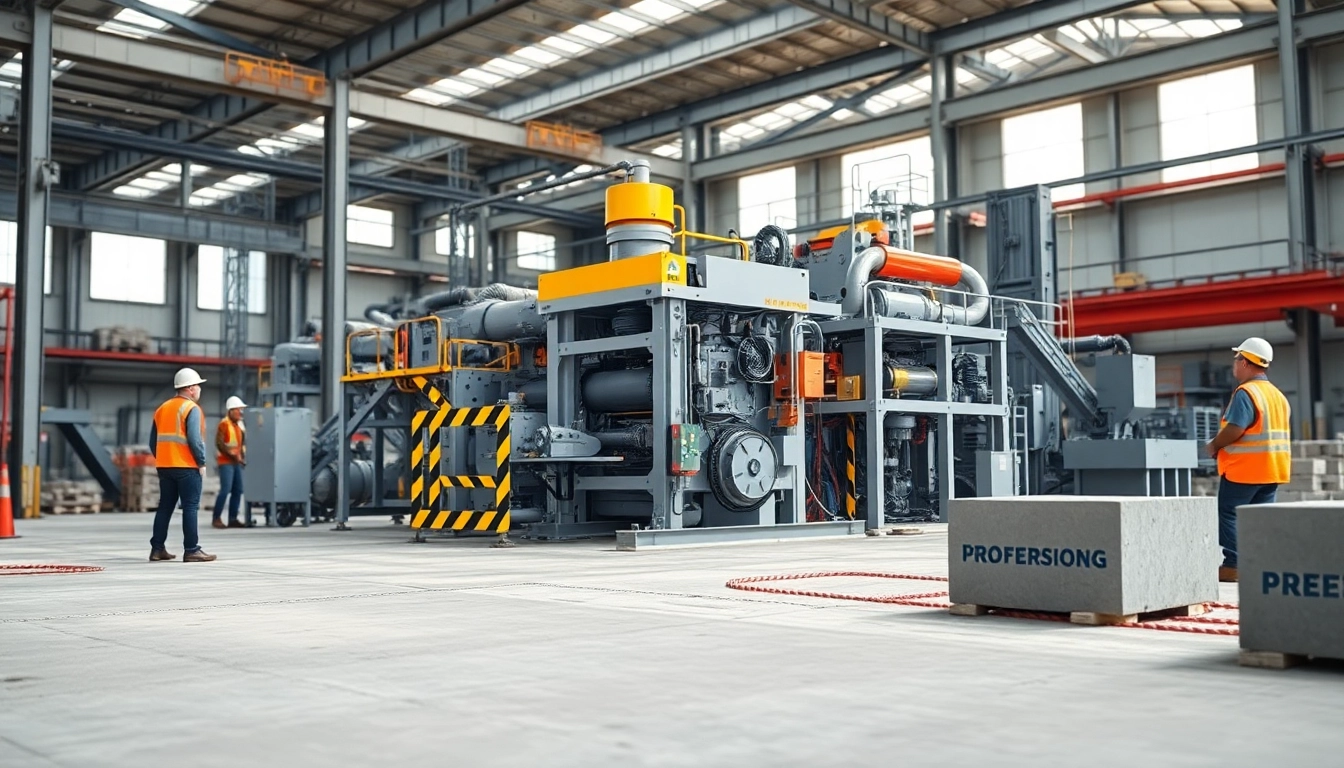
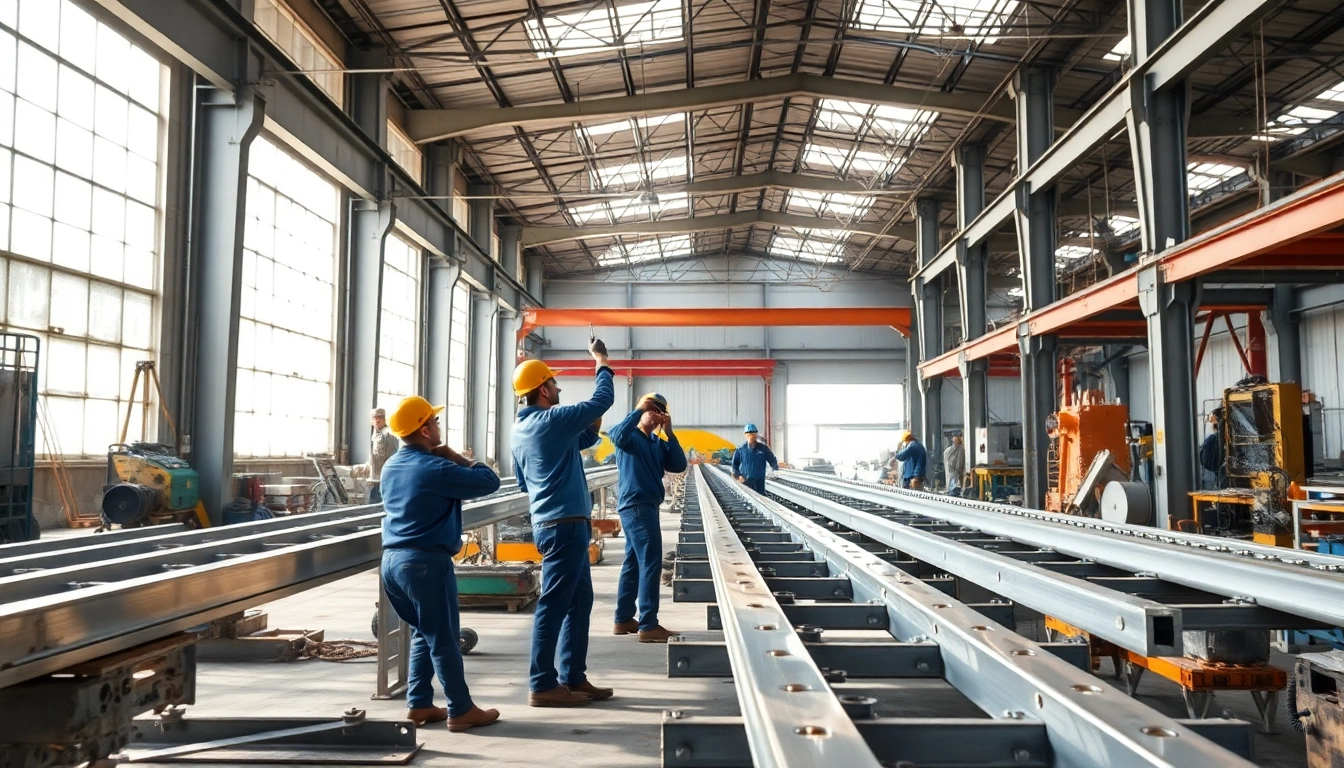
At its core, structural steel fabrication entails the creation and preparation of steel materials for construction purposes. This process includes cutting, shaping, and assembling steel components as per engineering specifications to form structural elements such as beams, columns, and girders. It’s essential to note that fabrication occurs before the erection of structures at a construction site, often within a factory setting. This controlled environment facilitates quality assurance and efficient production methods, ultimately leading to reduced construction timelines.
The Importance of Structural Steel in Construction
Structural steel plays a pivotal role in the construction industry due to its unique properties. It offers a high strength-to-weight ratio, which allows for taller and more expansive structures. This material can withstand extreme weather conditions and loads, making it suitable for use in various environments. Furthermore, structural steel is recyclable, contributing to sustainable building practices. The ability to prefabricate components leads to fewer on-site delays and promotes efficiency during the construction process.
Common Materials Used in Steel Fabrication
While steel is the primary material used in structural steel fabrication, various alloys and coatings also play significant roles in enhancing performance. The most commonly used materials include:
- Carbon Steel: Known for its durability, carbon steel is the most utilized in fabrication for its balance between strength and affordability.
- Stainless Steel: Best for projects where corrosion resistance is critical, stainless steel is often used in environments exposed to moisture or chemicals.
- Alloy Steel: Through the addition of various elements such as chromium, nickel, or vanadium, alloy steels can be tailored for specific performance characteristics.
- Coatings: Protective coatings like galvanized or powder coating enhance corrosion resistance and improve the longevity of fabricated steel structures.
Key Techniques in Structural Steel Fabrication
Welding Methods and Their Applications
Welding is one of the most vital processes in structural steel fabrication. It involves joining steel pieces by melting their edges and allowing them to fuse. Various methods exist, each with its specific applications:
- MIG Welding: Metal Inert Gas (MIG) welding is appreciated for its speed and versatility, making it suitable for projects requiring quick assembly.
- TIG Welding: Tungsten Inert Gas (TIG) welding offers high precision and is commonly used for thin materials and stainless steel projects.
- Stick Welding: This traditional method is robust and effective, particularly in outdoor environments where skilled labor may be limited.
Each welding method has its pros and cons, and choosing the right one will depend on the specific requirements of the project.
Cutting and Shaping Steel: Tools and Techniques
The cutting and shaping of steel are performed through various methods to achieve specific dimensions and geometric configurations:
- Flame Cutting: Uses high-temperature flames to cut through steel, ideal for thick materials.
- Plasma Cutting: A more modern method that uses ionized gas to cut through steel with high precision and speed.
- CNC Machining: Computer Numerical Control (CNC) machines can automate cutting and shaping with exceptional accuracy, minimizing waste.
With advancements in technology, automation in cutting and shaping is becoming more prevalent, leading to faster production times and improved accuracy.
Quality Control in Fabrication Processes
Quality control is a crucial aspect of structural steel fabrication. Ensuring that materials meet specific standards and specifications is essential for the overall integrity of the structure. Effective quality control encompasses:
- Material Inspection: Verify that all incoming materials meet the specified grades and quality standards.
- Welding Inspection: Conduct regular checks on welding techniques, ensuring proper penetration and strength.
- Dimensional Inspection: Utilize measuring tools to confirm that all fabricated components adhere to the exact specifications before delivery.
Implementing a robust quality management system not only enhances safety but also reduces the likelihood of costly rework and project delays.
Challenges in Structural Steel Fabrication
Addressing Safety Concerns on the Shop Floor
Safety should always be a primary concern in the fabrication shop. The machinery involved in the processes can pose significant risks to workers. Ensuring safety encompasses comprehensive training and the implementation of strict guidelines, including:
- Providing personal protective equipment (PPE) to all workers.
- Regular safety drills and training sessions.
- Strict adherence to OSHA regulations and local safety standards.
Fostering a culture of safety within the workforce can help in reducing accidents and injuries, promoting an overall healthier work environment.
Managing Supply Chain Issues
Supply chain disruptions can severely impact the timeline and budget of a project. Factors like global economic changes, natural disasters, and political instability can lead to delays in material delivery. To mitigate these issues, firms should:
- Establish strong relationships with multiple suppliers to ensure alternatives are available.
- Implement just-in-time inventory systems to reduce dependencies on large stockpiles.
- Utilize predictive analysis to better forecast demand and manage resources accordingly.
Effective supply chain management can help reduce delays and maintain project momentum even amidst challenges.
Meeting Industry Standards and Regulations
Structural steel fabrication must comply with various industry standards and regulations to ensure safety and quality. Familiarizing with codes such as the American Institute of Steel Construction (AISC) standards is essential. Achieving compliance is accomplished through:
- Regular audits and inspections of fabrication practices.
- Investing in staff training to ensure adherence to the latest standards.
- Engaging third-party inspectors for unbiased evaluations.
Compliance not only ensures safety but also builds trust with clients and stakeholders.
Best Practices for Successful Structural Steel Fabrication
Efficient Project Planning and Management
Robust planning and management are essential for the successful execution of structural steel fabrication projects. Key practices include:
- Developing a detailed project timeline that includes key milestones.
- Collaborating closely with architects and engineers to align on specifications.
- Utilizing project management software to monitor progress and communicate among stakeholders.
Effective project management leads to enhanced efficiency and helps in keeping the project within budget and on schedule.
Adopting New Technologies in Fabrication
The steel fabrication industry is continually evolving, and companies that embrace technological advancements are more likely to succeed. The integration of technologies such as:
- Building Information Modeling (BIM): Enhances collaboration through a shared digital model of the project.
- Automation and Robotics: Improves precision and efficiency in welding and cutting processes.
- 3D Printing: Allows for rapid prototyping of steel components, reducing lead times.
By investing in technology, fabrication shops can improve productivity and reduce errors.
Skilled Workforce Development and Training
Having a skilled workforce is the backbone of successful structural steel fabrication. Investing in training programs to develop employees' skills in various aspects of fabrication, such as welding, machining, and quality control, can yield significant benefits:
- Promoting regular training sessions for both new hires and existing workers.
- Encouraging certification in specialized skills to enhance credibility.
- Implementing mentorship programs to foster knowledge transfer among experienced and newer employees.
A well-trained workforce minimizes errors and ensures that the fabrication processes are carried out smoothly and efficiently.
Case Studies: Success Stories in Structural Steel Fabrication
Innovative Projects Using Structural Steel
Structural steel has been employed in numerous landmark projects that showcase its versatility. For instance, the Burj Khalifa in Dubai, the tallest building in the world, employs thousands of tons of structural steel, demonstrating not only the material's strength but also its adaptability for modern engineering.
Lessons Learned from Major Fabrication Challenges
Failures in fabrication can be instructive. One notable example is the collapse of the I-35W Mississippi River bridge in 2007, which drew attention to issues in the design and fabrication processes. It highlighted the necessity of stringent quality control measures, proper inspections, and design reviews to prevent such tragedies from occurring again.
Future Trends in Structural Steel Fabrication
Looking forward, several trends are shaping the future of structural steel fabrication. Increased focus on sustainability is driving the industry toward more eco-friendly practices, such as using recycled materials and reducing waste. Additionally, advancements in digital technologies, including augmented reality (AR) and virtual reality (VR), are set to improve training and design processes. These trends not only enhance project outcomes but also allow for smarter and more sustainable construction practices.