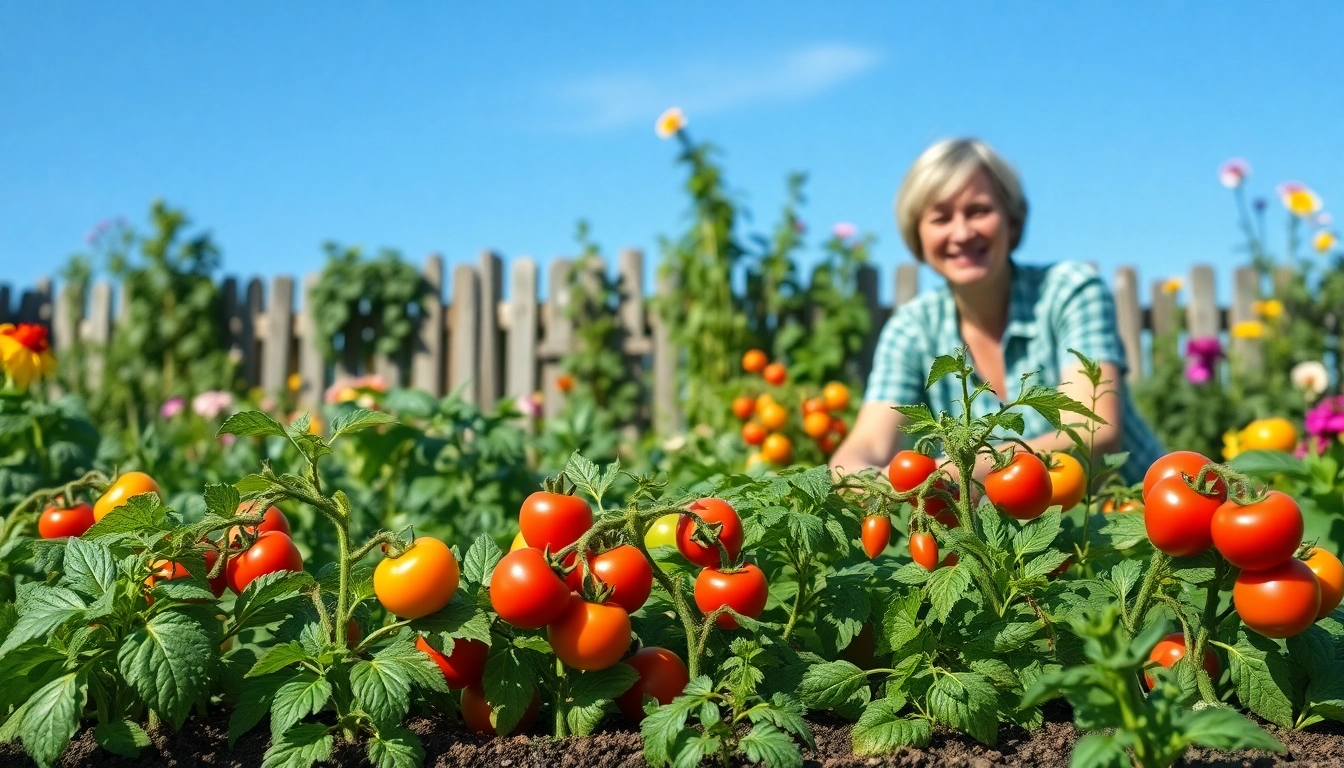
Getting Started with Gardening Basics
Gardening is an enriching and fulfilling activity that allows individuals to connect with nature while growing their own food and flowers. Whether you are a novice or have some experience, understanding the fundamentals is essential for cultivating a thriving garden. Let us delve into the intricacies of Gardening, exploring the wide variety of techniques suitable for different environments and preferences.
Understanding the Different Types of Gardening
Gardening can take many forms, each with its own set of principles and practices. Here are some of the most popular types:
- Vegetable Gardening: Focused on growing food crops, vegetable gardening involves selecting the right plant varieties suited to your climate and soil conditions.
- Flower Gardening: Centered on cultivating ornamental plants, flower gardening emphasizes aesthetics, with various design and color schemes.
- Herb Gardening: Growing culinary and medicinal herbs can enhance cooking and health. Herbs are often easy to maintain and can be grown indoors or outdoors.
- Sustainable Gardening: This environmentally friendly approach emphasizes practices that minimize harm to the planet, such as composting, native planting, and organic pest control.
- Container Gardening: Ideal for those with limited space, container gardening allows for the cultivation of plants in pots or containers, making it accessible for urban dwellers.
Essential Tools for Successful Gardening
The right tools can enhance your gardening experience and efficiency. Here are some essential gardening tools to consider:
- Hand Tools: Trowels, pruners, and weeding forks are essential for planting and maintenance.
- Watering Tools: A good quality garden hose, watering can, or drip irrigation system ensures plants receive adequate moisture.
- Soil Testing Kits: Understanding your soil's pH and nutrient levels can inform your planting choices and fertilization strategies.
- Gloves: Protect your hands from blisters and dirt with sturdy gardening gloves.
Preparing Your Garden Site: Soil, Location, and Layout
Preparation is vital to gardening success. This phase involves evaluating your site's soil, choosing an ideal location, and planning the layout:
- Soil Preparation: Test your soil for nutrients and amend it with organic matter, such as compost, to ensure optimal conditions for plant growth.
- Location: Choose a spot that receives adequate sunlight—typically six to eight hours a day is ideal for most plants. Consider accessibility and proximity to water sources as well.
- Garden Layout: Plan how you will organize your plants. Raised beds, row planting, or a mix of techniques can be employed depending on your specific gardening goals.
Planning Your Garden: Choosing Plants and Timing
Once you have set the foundation, the next step involves careful planning of what to plant and when. This approach ensures a bountiful yield and promotes healthy plant growth.
Selecting the Right Plants for Your Garden Environment
Choosing plants that thrive in your specific environment is crucial. Consider the following factors:
- Climate Zone: Understand your USDA hardiness zone to select plants that can withstand your local weather conditions.
- Soil Type: Some plants prefer sandy soils, while others thrive in clay. Match your plant selection with your soil characteristics for optimal results.
- Sun and Water Requirements: Group plants based on their sunlight and watering needs to ensure compatibility and maximize garden health.
Understanding Seasonal Planting and Growth Cycles
Every plant has its own growth cycle and optimal planting time. Understanding these cycles helps you to maximize your gardening success:
- Spring Planting: Cool-season vegetables such as peas and lettuce can be sown early, while warm-season crops like tomatoes and peppers should be planted after the last frost.
- Summer Planting: Mid-summer is an excellent time for succession planting to ensure ongoing harvests into the fall.
- Fall and Winter Care: Prepare your garden for winter by adding mulch or planting cover crops to maintain soil health during the dormancy period.
Effective Garden Layout for Maximum Yield
Organizing your garden layout is essential for maximizing growth potential and ease of maintenance. Consider the following techniques:
- Raised Beds: These improve drainage and soil quality, allowing for better yields.
- Square Foot Gardening: This space-efficient method organizes plants into square sections, allowing for intensive planting and less weeding.
- Vertical Gardening: Utilize vertical structures to grow climbing plants, saving ground space and enhancing air circulation.
Techniques to Enhance Gardening Success
Implementing effective gardening techniques can dramatically enhance your chances of success and your garden's productivity.
Watering Strategies for Healthy Plants
Water is vital for plant health, but the method and timing of watering are just as important:
- Deep Watering: Ensure that water penetrates deep into the soil rather than just wetting the top layer. This practice encourages deep root growth.
- Watering Early or Late: Avoid watering during the hottest part of the day; instead, aim for early mornings or late afternoons to minimize evaporation.
- Use Mulch: Apply organic mulch around plants to retain moisture and regulate soil temperature.
Organic Fertilization and Soil Health
Healthy soil translates to healthier plants. Organic fertilization methods and practices that improve soil health include:
- Composting: Incorporate organic matter into your soil to enhance fertility and structure.
- Crop Rotation: Rotating plant families helps prevent disease buildup and maintains soil nutrient levels.
- Natural Amendments: Use bone meal, fish emulsion, or green manures to naturally enrich your soil without harmful chemicals.
Pest Control: Natural Solutions for Common Garden Issues
Managing pests without pesticides is a key aspect of organic gardening. Here are some natural solutions:
- Beneficial Insects: Attract ladybugs and lacewings to help control aphids and other pests naturally.
- Companion Planting: Some plants, such as marigolds, deter pests when planted alongside vulnerable species.
- Physical Barriers: Use row covers or neem oil sprays to protect plants from harmful insects.
Advanced Gardening Concepts to Elevate Your Skills
As you gain experience in gardening, explore advanced techniques to further enhance your skills and efficacy:
Companion Planting: Creating Mutual Benefits
Companion planting involves pairing plants that support each other’s growth, helping to maximize space and yield:
- Growth Promotion: Certain combinations, such as tomatoes and basil, benefit each other's growth and flavor.
- Pest Control: Strong-smelling plants may deter pests, while others attract beneficial insects.
- Soil Enrichment: Legumes can fix nitrogen in the soil, benefiting their neighbors when planted together.
Hydroponics and Container Gardening Innovations
Innovative gardening techniques, such as hydroponics, are changing how people grow plants, especially in urban settings:
- Hydroponics: This soil-less method utilizes nutrient-rich water and allows for greater control over plant growth parameters.
- Aeroponics: Similar to hydroponics, this technique involves misting plant roots with nutrient solutions, requiring less water than traditional methods.
- Container Innovations: Self-watering containers and vertical gardens can optimize space for those with limited room.
Sustainable Gardening Practices for the Eco-Conscious
Sustainable practices help reduce the ecological footprint of your gardening while promoting biodiversity:
- Native Planting: Utilizing native plants supports local wildlife and reduces water consumption.
- Rainwater Harvesting: Collecting rainwater can be a sustainable irrigation source for your garden.
- Organic Practices: Avoid synthetic fertilizers and pesticides to promote a healthy ecosystem.
Harvesting and Enjoying the Fruits of Your Gardening Labor
After nurturing your garden, it is time to enjoy the harvest, which is often the most gratifying part of gardening.
How to Tell When Your Plants Are Ready to Harvest
Knowing when to harvest involves observing various indicators:
- Color and Size: Many fruits and vegetables change color or size when they are ripe—for example, tomatoes should be a vibrant red before picking.
- Texture and Firmness: Harvest when the texture is optimal; for instance, cucumbers should feel firm but not too hard.
- Plant Signs: Some plants, like lettuce, will bolt, indicating that it’s time to gather your harvest before they become tough.
Preserving Your Harvest: Tips for Long-Term Storage
Maximizing the longevity of your fresh produce is essential. Consider these preservation methods:
- Canning: This method involves sealing your produce to keep it fresh for extended periods.
- Freezing: Flash-freezing fruits and veggies at their peak ripeness preserves flavor and nutrients.
- Drying: Dehydrating fruits and herbs can create delightful snacks while retaining flavor.
Recipes and Uses for Fresh Garden Produce
Utilizing your homegrown fruits and vegetables is one of the joys of gardening. Here are some ideas:
- Salads and Dressings: Fresh greens provide vibrant salads—add homemade dressings using herbs for a personal touch.
- Preserves and Sauces: Transform surplus tomatoes into delicious sauces or jams from fruits.
- Herbal Infusions: Use freshly harvested herbs to create teas or flavored oils.