Understanding Off-Road Motorcycles
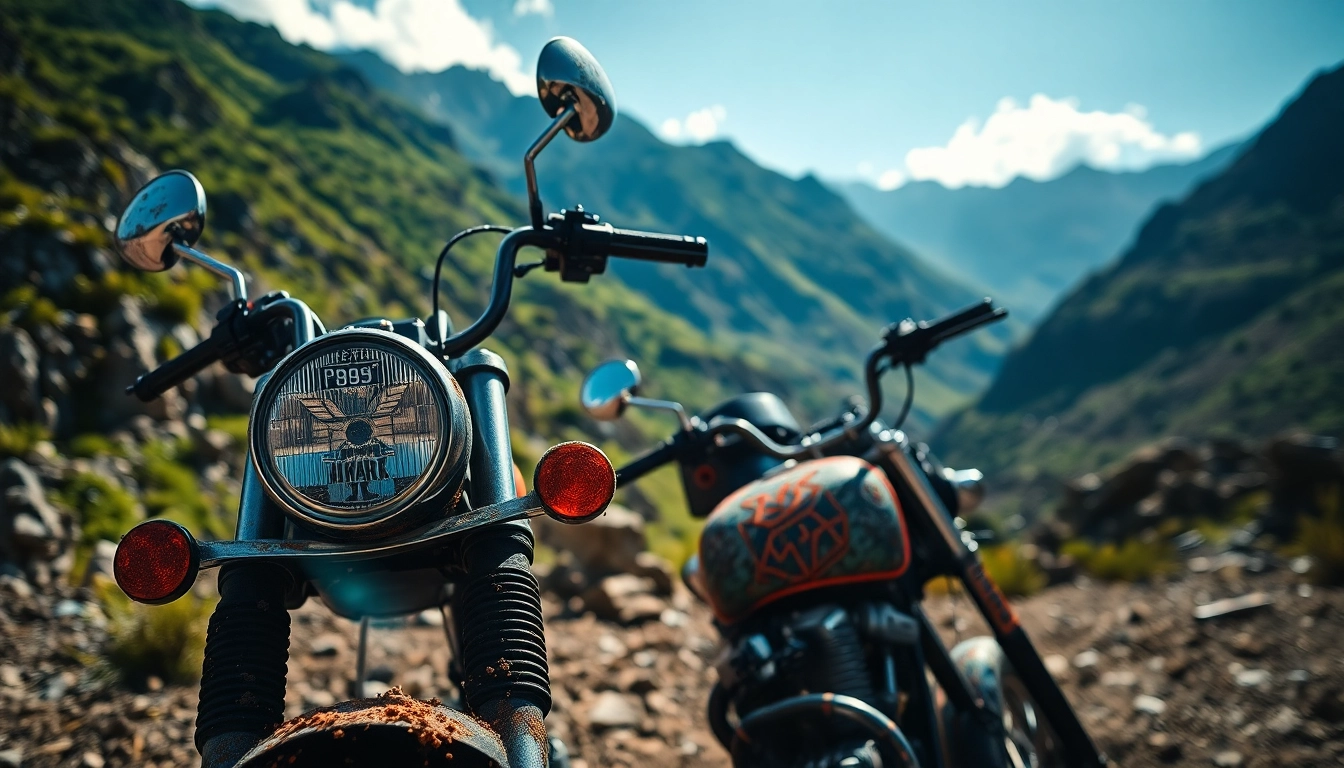
Off-road motorcycles are specially designed machines, created to tackle rugged terrains and challenging environments that regular motorcycles cannot handle. From dirt trails to rocky pathways, off-road bikes offer riders an exhilarating experience filled with speed, maneuverability, and adventure. For enthusiasts looking to dive into this adrenaline-pumping world, it is crucial to understand the different types of off-road motorcycles and their unique features. Exploring https://relevance.com.ua can provide valuable insights into choosing the right motorcycle for your off-road adventures.
Types of Off-Road Motorcycles
Off-road motorcycles can be broadly categorized into several types, each designed for specific riding disciplines. Below are the main categories:
- Motocross Bikes: These bikes are built for speed and agility on closed courses with dirt tracks, jumps, and obstacles. They are lightweight, have long suspension travel, and are typically not street-legal.
- Enduro Bikes: Designed for endurance races, these motorcycles are equipped to handle a mix of terrain, from dirt trails to steep hills. They feature a more robust frame and can be street-legal, allowing for transitions from public roads to off-road trails.
- Trail Bikes: Ideal for beginners and casual riders, trail bikes are usually designed for stability and ease of handling on less technical trails. They combine elements of motocross and enduro bikes, offering versatility.
- Dual-Sport Bikes: These motorcycles can go both on the road and off-road. They offer a balance between everyday use and off-road capability, appealing to riders looking for practicality and adventure.
- Adventure Bikes: Adventure touring bikes are designed for long-distance travel over mixed terrain. They are comfortable for riding on highways yet robust enough for tough off-road paths.
Key Features to Consider
When choosing an off-road motorcycle, several critical features should influence your decision:
- Engine Size: Engine displacement affects power and torque. Larger engines provide more power but can be heavier, while smaller engines may be easier to handle for beginners.
- Suspension: High-quality suspension improves handling and comfort while riding. Off-road bikes often feature adjustable suspension systems that can be tuned to specific conditions.
- Weight: The weight of the motorcycle plays a significant role in its maneuverability. Lighter bikes are generally more agile, making them preferable for technical courses.
- Braking System: Efficient brakes are essential for off-road riding, especially in steep or slippery conditions. Look for bikes with advanced braking technologies.
- Durability: Off-road riding can be harsh on any vehicle. Look for bikes with rugged components made to withstand the challenges of varying terrains.
Comparing Cross-Country and Enduro Motorcycles
Cross-country motorcycles, often associated with competitive racing, are built for speed and agility on fast courses, focusing on short bursts of power. Enduro motorcycles, meanwhile, are designed for longer rides with a mix of endurance challenges. They feature better fuel tanks for extended rides and more robust construction for tougher terrains. Understanding these differences allows riders to choose the motorcycle that best fits their riding style and experience level.
Evaluating Your Off-Road Needs
Before diving into purchasing an off-road motorcycle, it's essential to evaluate your specific needs and preferences. This assessment will help ensure that you choose a bike that aligns with your riding habits and conditions.
Assessing Your Riding Skills
Assessing your riding skills is the first step in determining which off-road motorcycle is right for you. Beginners may find smaller, lightweight bikes easier to handle, while more experienced riders might prefer powerful motorcycles designed for more challenging terrains. Consider taking a riding course to gauge your skills and increase your confidence.
Choosing the Right Terrain
Different terrains may require unique characteristics in a motorcycle. For instance:
- Sandy Terrain: Requires a bike with more substantial power and wider tires for better traction.
- Rocky Trails: Demands a sturdy bike with excellent suspension to absorb shock and handle bumps.
- Wooded Areas: Prefer agile bikes that can easily navigate tight turns and obstacles.
Identify the types of terrains you will be riding most frequently to help guide your motorcycle selection.
Your Budget and Cost of Ownership
Budget is a critical factor in selecting an off-road motorcycle. The initial purchase price may not be the only expense; consider the ongoing costs associated with maintenance, insurance, and gear. A comprehensive budget plan can help you understand the total cost of ownership and prevent unexpected financial strain.
Essential Gear for Off-Road Riding
Safety should always be a top priority when riding off-road. Investing in the right safety gear not only protects you but also enhances your riding experience.
Protective Clothing and Safety Gear
Off-road riding can be unforgiving; therefore, wearing appropriate protective clothing is vital. Essential gear includes:
- Helmet: A well-fitted helmet is mandatory to protect against head injuries. Look for helmets specifically designed for off-road riding.
- Gloves: Riding gloves offer grip and protection for your hands. Choose gloves that offer flexibility while maintaining durability.
- Protective Jacket: A jacket with padding can safeguard your torso from impacts and abrasions.
- Pants and Boots: Off-road pants and boots provide additional protection for your legs and feet against injuries and harsh terrain.
Navigation and Communication Tools
When exploring off-road trails, it's essential to have tools that assist with navigation and communication. Consider equipping yourself with:
- GPS Systems: Handheld GPS devices can help you map your route and avoid getting lost.
- Two-Way Radios: Communication devices can be invaluable while riding with groups to stay connected and coordinate during emergencies.
- Mobile Apps: Riding apps can offer trail information, route planning, and connectivity features for navigating new areas.
Maintenance Equipment for the Ride
Preparing for potential breakdowns or issues during your ride is prudent. Tools and equipment you should consider bringing include:
- Basic Tool Kit: A set of tools for on-the-spot repairs can be a lifesaver in an emergency.
- Tire Repair Kit: Flat tires can happen, so being equipped to fix minor punctures is essential.
- First Aid Kit: Always carry a first aid kit for emergencies to address any injuries encountered during your ride.
Improving Your Riding Skills
Whether you are a novice or an experienced rider, improving your skills is crucial for increasing safety and enjoyment while riding off-road. Consistent practice and learning are fundamental to becoming a better motorcyclist.
Tips for Beginners in Off-Road Riding
As a beginner, consider the following tips to enhance your riding skills:
- Start Slow: Begin with simpler trails to build your confidence before tackling challenging terrains.
- Take Lessons: Consider joining riding schools that offer courses in off-road skills to get professional guidance.
- Practice Balancing: Learning to balance correctly on your motorcycle is vital; practice in a safe environment to refine your skills.
Advanced Techniques for Seasoned Riders
Advanced riders often seek new techniques to improve their riding ability. Here are some suggestions:
- Body Positioning: Adjust your body position based on the terrain to maintain control and improve stability.
- Cornering Skills: Practice cornering techniques to enhance your riding efficiency and minimize risk during turns.
- Riding with Others: Join a riding community to learn from others, share tips, and enjoy camaraderie during rides.
Where to Find Training Resources
Various resources are available to help improve your riding skills:
- Local Off-Road Riding Schools: Many offer structured lessons and practice areas.
- Online Tutorials: Numerous online platforms provide instructional videos and articles to learn from.
- Motocross and Enduro Events: Observing races and competitions can provide insights and motivation.
Staying Safe and Having Fun
Riding off-road can be one of the most enjoyable ways to explore nature and embrace adventure. However, safety must always come first. Adhering to best practices and maintaining awareness of risks is essential for a fun experience.
Essential Safety Tips for Off-Road Riding
Here are some essential safety tips to follow while off-road riding:
- Wear Protective Gear: Always ensure you are properly equipped with safety gear before heading out.
- Check Your Bike: Perform regular maintenance inspections to ensure your motorcycle is in top shape.
- Stay Aware: Be mindful of your surroundings, including other riders and wildlife.
How to Handle Emergencies on Trails
Even with the best precautions, emergencies can occur. Here’s how to handle them:
- Stay Calm: In any emergency, remaining calm is key to making rational decisions.
- Assess Injuries: Check for injuries to yourself and others and provide help if necessary.
- Know How to Contact Help: Familiarize yourself with the nearest help resources and ensure your communication tools are operational.
Building a Community of Off-Road Enthusiasts
Being part of an off-road community can enhance your experience significantly. Engaging with fellow riders allows you to gain insights, share experiences, and create lasting friendships. Attend local events, join online forums, or participate in group rides to connect with other enthusiasts.