Understanding Different Types of Tumblers
Tumblers have become an essential part of our daily beverage routines, valuable for both their functionality and versatility. From keeping your favorite drinks hot or cold to showcasing personal style, choosing the right tumbler can enhance your drinking experience. In this comprehensive guide, we will explore various types of tumblers, their materials, insulation features, and eco-friendly options, ensuring you find the perfect tumbler for your lifestyle. For those looking for quality tumbler choices, understanding these factors is crucial.
Materials: Plastic, Stainless Steel, and More
When selecting a tumbler, the material plays a significant role in determining its durability, insulation capabilities, and overall style. Here are the most commonly used materials:
- Plastic Tumblers: Lightweight and usually more affordable, plastic tumblers are ideal for casual use. They can be available in various colors and designs, making them appealing for everyday activities.
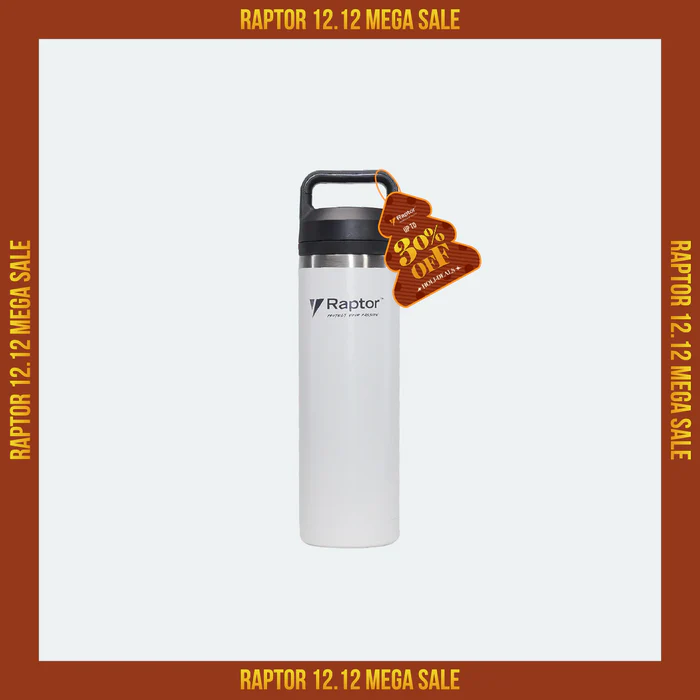
- Stainless Steel Tumblers: Known for their durability and excellent insulation, stainless steel tumblers can keep drinks hot for hours or cold throughout the day. They often come with double-wall vacuum insulation, which is great for temperature retention.
- Glass Tumblers: Offering an elegant touch to your beverage experience, glass tumblers are aesthetically pleasing. However, they are less portable and more prone to breaking compared to plastic or stainless steel options.
- Bamboo Tumblers: Made from sustainable materials, bamboo tumblers bring a natural aesthetic while also being eco-friendly. They are lightweight but may not provide insulation as effectively as stainless steel.
Insulation: Why It Matters
Insulation is a key feature of tumblers that determines how long they can keep beverages at the desired temperature. Tumblers generally use one of three types of insulation:
- Single Wall: Tumblers with single wall construction are typically lightweight but do not provide any insulation. They can be suitable for short-term use.
- Double Wall: Double wall tumblers feature an inner and outer layer that creates a barrier, preventing heat transfer. This type keeps beverages hot or cold for extended periods, making it the preferred option for many customers.
- Vacuum Insulation: The most effective type, vacuum insulation removes air between the two walls, providing excellent temperature retention. These tumblers are often sought after for long trips or outdoor activities.
Eco-Friendly Options for Sustainability
With growing awareness about environmental issues, many brands are now producing eco-friendly tumblers. These options are typically made from recycled materials or designed to reduce reliance on single-use plastics.
For instance, tumblers made from recycled stainless steel or bamboo align with sustainable practices and often have a lower carbon footprint. Furthermore, opting for reusable tumblers contributes positively toward environmental conservation by diminishing waste.
Key Features to Look for in a Tumbler
While the material and insulation of a tumbler are crucial, there are several additional features you should consider when making your selection. Focusing on these will help you find a tumbler that meets your needs and preferences.
Capacity: Choosing the Right Size
Tumblers come in various sizes, typically ranging from 8 oz to 30 oz or more. Your choice should depend on several factors:
- Personal Preference: Consider how much liquid you usually consume. If you're an avid coffee drinker, a larger tumbler may be more suited for you.
- Intended Use: For commuting, handheld sizes around 16 oz may work best, whereas larger options are more ideal for picnics or gatherings.
- Storage: Consider how much storage space you have, especially if you plan to take your tumbler with you. Bulkier tumblers may not fit well in your vehicle's cup holder.
Lids and Straws: Functionality and Convenience
The lids and straws play an important role in how you interact with your tumbler. Here’s what to consider:
- Seal and Leakage: Ensure the tumbler has a secure lid that prevents spills, especially for travel purposes.
- Types of Lids: Some lids feature non-slip edges or flip tops for easy access, while others are fitted with straws for easy sipping. Choosing the right type based on your habits can make a difference.
Design: Personal Style and Aesthetics
Beyond functionality, a tumbler also serves as an expression of personal style. Consider the following aspects:
- Color and Finish: Choose a color that reflects your personality. Some tumblers feature metallic finishes, while others embrace vibrant hues.
- Customizability: Many brands offer options for customization, allowing you to engrave your name or a meaningful quote.
- Branding: If you're looking for a tumbler for promotional purposes, consider tumblers that can be easily branded with a logo.
Everyday Use vs. Special Occasions
It’s important to differentiate between tumblers meant for daily use and those suited for special occasions. Selecting the right type for the right context ensures you'll get the most out of your purchase.
Choosing Tumblers for Daily Commutes
For everyday use, durability and convenience are key. Look for:
- Compact sizes that fit in car cup holders.
- Lightweight materials that are easy to carry.
- Lids that seal properly to prevent leaks.
Optimal Choices for Outdoor Adventures
When selecting tumblers for outdoor activities, consider the following:
- Robust construction to withstand rugged conditions.
- Insulation to maintain beverage temperatures during long treks.
- Easy-to-clean options that can endure mud and elements.
Stylish Tumblers for Events and Gatherings
For events, a tumbler can act as both a functional tool and a decorative piece. Tips for selection include:
- Opt for elegant designs or custom options that match event themes.
- Choose tumblers that can accommodate ice or larger volumes of beverages for gatherings.
- Look for reusable options to promote sustainability at events.
Maintaining Your Tumbler for Longevity
To ensure your tumbler lasts for years, maintaining its quality is essential. Here are helpful tips that cater to various materials.
Cleaning Tips for Different Materials
Proper cleaning depends on the tumbler's material. Here’s a quick guide:
- Plastic: Hand wash with warm, soapy water and avoid harsh chemicals to prevent damage.
- Stainless Steel: Most are dishwasher safe; otherwise, use mild detergents and avoid abrasive tools.
- Glass: Use a gentle sponge and avoid sudden temperature changes to prevent cracking.
Storage Solutions to Preserve Quality
How you store your tumbler matters; keep these in mind:
- Store tumblers upright to prevent dust and dirt from accumulating in the lid.
- Keep them in a clean, dry area away from heavy objects that might cause breakage.
- If you're not using them for a while, ensure they are clean and completely dry before storing.
Repurposing Old Tumblers Creatively
If you have old tumblers lying around, consider these creative repurposing ideas:
- Turn a tumbler into a planter for indoor plants or herbs.
- Create a unique candle holder by placing a candle in an upside-down tumbler.
- Use old tumblers for organizing supplies like pens, brushes, or kitchen utensils.
FAQs About Tumblers
What is the best material for a tumbler?
Stainless steel is often favored for its durability and insulation, keeping drinks hot or cold for longer.
How do I clean my tumbler effectively?
Use warm, soapy water or a vinegar solution, and avoid abrasive materials to prevent scratches.
Can I put my tumbler in the dishwasher?
Check the manufacturer's guidelines; many stainless steel tumblers are dishwasher-safe but others may not be.
What size tumbler should I choose?
Select a size based on your beverage preference and intended use, from personal use to sharing with others.
Are there eco-friendly options available?
Yes, many brands offer tumblers made from recycled materials and those designed to reduce single-use plastics.