Understanding Food Banks: What They Are and How They Operate
Definition and Purpose of Food Banks
Food banks serve as vital institutions in combating hunger by redistributing food to those in need. These non-profit organizations collect, store, and distribute food to community members who may be struggling with food insecurities. The primary purpose of food banks is to alleviate hunger and provide a temporary solution for individuals and families facing financial hardships. Through collaboration with various stakeholders, such as grocery stores, farmers, and community organizations, they ensure that surplus food gets to the people who need it the most.
Types of Food Banks and Their Services
Food banks can be classified into several types based on their operations and the services they offer. The key types include:
- Emergency Food Banks: These provide immediate relief by distributing food to clients on an as-needed basis, typically without the requirement of prior appointments.
- Community Food Pantries: Often run by local churches or organizations, pantries allow individuals to select groceries, ensuring a more dignified approach to receiving assistance.
- Mobile Food Banks: These initiatives bring food directly to underserved areas, making access to food resources more convenient for those who cannot travel.
- Specialized Food Banks: Some food banks focus on specific demographics, such as children, seniors, or individuals with dietary restrictions, ensuring that unique nutritional needs are met.
The Role of Volunteers in Food Banks
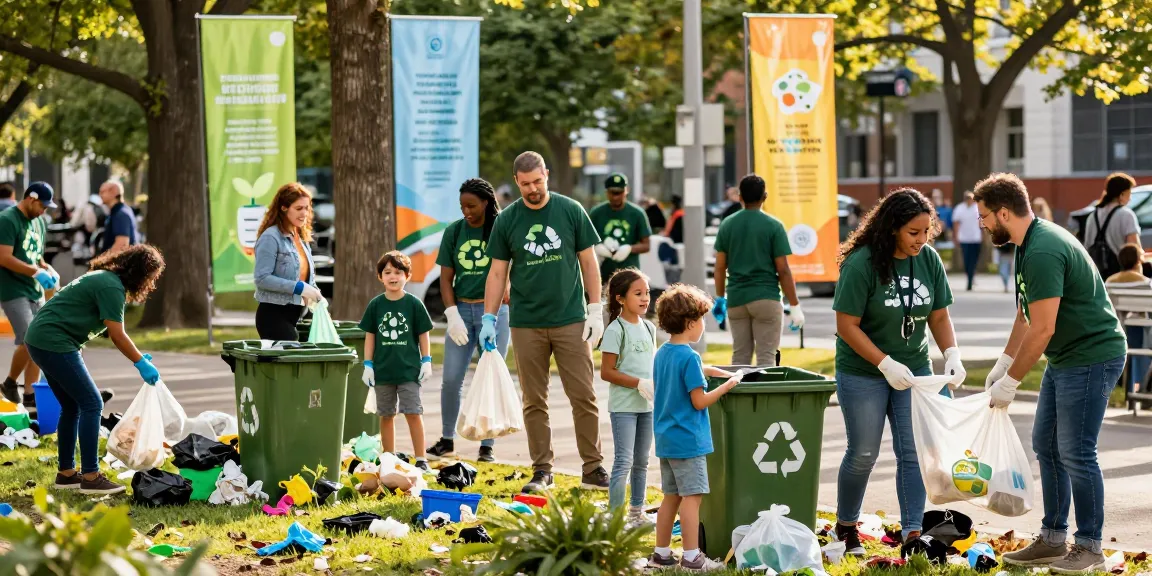
Volunteers are the backbone of food banks, providing essential support for day-to-day operations. They assist with sorting food donations, packing food boxes, and distributing food to clients. Volunteers often dedicate their time and effort to raising awareness about food insecurity within the community, fostering a spirit of giving and support. Their contributions ensure that food banks can operate efficiently while minimizing costs and maximizing the resources available for those in need.
How to Locate Food Banks in Your Area
Online Resources for Finding Food Banks
To find food banks and food assistance resources nearby, numerous online tools are available. Websites such as Food Banks offer search features that allow users to input their zip code or city to identify local food banks. Additionally, organizations like Feeding America provide comprehensive directories of food banks across the country. Social media platforms can also serve as a resource, as many food banks utilize these channels to engage with the community and promote their services.
Local Community Centers and Food Bank Partnerships
Community centers often partner with food banks to facilitate food distributions or host events focused on food insecurity awareness. Visiting community bulletin boards or websites can provide information regarding planned food drives and community outreach initiatives. Local churches, schools, and non-profit organizations may also have updated information on partnerships with food banks, ensuring that individuals in need find assistance easily and quickly.
Importance of Community Awareness and Outreach
Increasing community awareness about food banks is essential in reducing the stigma associated with seeking assistance. Effective outreach programs can help educate residents about food insecurity and the resources available to them. Hosting informational sessions, workshops, and food drives can empower communities, encouraging a culture of support and collaboration. Building a stronger connection between food banks and local residents ensures that those who need help know where to find it.
Eligibility and Accessing Food Banks: A Guide
General Eligibility Requirements for Food Banks
Eligibility requirements for food bank assistance can vary significantly depending on the organization. However, most food banks generally require clients to provide some form of identification and income information to demonstrate their need. In many cases, there are no strict income limits as long as clients express genuine financial hardship. It is best to check with local food banks for their specific eligibility criteria, as they may accommodate any unique circumstances.
What to Expect During Your First Visit to a Food Bank
Visiting a food bank for the first time can feel daunting. Upon arrival, clients usually check in, provide necessary paperwork, and may wait to be called for assistance. Most food banks aim to create a welcoming environment and will guide clients step-by-step through the process. After checking in, clients may participate in a brief orientation that outlines the services provided and details what types of food are available for distribution. Staff members are typically on hand to answer any questions and provide support as needed.
Resources for Assistance Beyond Food Banks
While food banks are a crucial resource for those facing food insecurity, additional support services are often available. Clients may find various resources such as free meal programs, assistance with applying for government food benefits, and job placement services at food banks or through community partnerships. Connecting with local social service agencies can further provide access to housing assistance, healthcare, and educational resources, helping to address insecurities across multiple domains.
The Impact of Food Banks on Communities and Individuals
Statistical Insights on Food Insecurity and Food Banks
The impact of food banks is significant, particularly when viewed through the lens of food insecurity statistics. In the United States, approximately 1 in 9 individuals experiences food insecurity at some point, with the most vulnerable populations often comprising children, seniors, and single-parent families. Food banks work diligently to supply millions of nutritious meals annually, with many ensuring their clients also receive fresh produce and healthful options. These services play a critical role in addressing hunger and improving health outcomes in affected communities.
Personal Stories: Transformations Thanks to Food Banks
Personal narratives provide powerful evidence of the transformative effect food banks have on individuals and families. Many clients express how food banks have relieved financial stress, allowing them to allocate limited funds to housing or healthcare instead of solely relying on food purchases. Others share stories of regaining stability during challenging circumstances, such as job loss or health crises. These transformations reflect not only the immediate benefits of food assistance but also the long-term positive effects on overall family wellness.
Long-Term Benefits of Engaging with Food Banks
Engaging with food banks can lead to numerous long-term benefits for individuals, families, and communities. Regular access to nutritious food helps improve physical health, reducing the prevalence of diet-related illnesses. Additionally, forging connections with local food banks can lead to greater community engagement and support networks, promoting collaboration. Further, many food banks offer resources that empower clients, such as nutrition classes or job training, ultimately fostering self-sufficiency.
How to Support Food Banks and Their Missions
Volunteering: Getting Involved with Your Local Food Bank
Volunteering at a local food bank is a rewarding way to contribute to community needs. Opportunities abound, with food banks often seeking help for sorting, packing, and distributing food, as well as assisting during fundraising events. Volunteers can sign up for one-time or ongoing opportunities, allowing them to engage as their schedules permit. Investing time and effort into food banks ensures that they can meet the needs of their communities effectively.
Donations: How Your Contributions Make a Difference
Donating to food banks can take many forms, from monetary contributions to in-kind donations of food and supplies. Most food banks welcome non-perishable items, but cash donations are equally appreciated, as they help food banks purchase bulk items to meet community needs. Even small donations can have a substantial impact. Creating food drives within communities, schools, or workplaces can also generate significant resources to help local food banks fulfill their mission.
Advocacy: Raising Awareness for Food Banks' Needs
Advocacy plays a crucial role in ensuring food banks receive the support they need to function effectively. Raising awareness about food insecurity issues and the challenges food banks face can mobilize communities and encourage more significant engagement. Sharing information through social media, participating in awareness events, and collaborating with local leaders to highlight food bank missions are excellent ways to champion their causes.
Frequently Asked Questions about Food Banks
Can anyone access a food bank?
Yes, anyone facing food insecurity can access food banks, regardless of income status. Food banks are designed to assist anyone in need.
How often can I visit a food bank?
Most food banks allow clients to visit regularly, often once a month. However, specific policies may vary by location, so it's best to check.
What should I bring to a food bank?
Typically, you should bring identification and proof of residence. Some banks may also request income information.
Are there any costs associated with food banks?
No, food banks provide food assistance free of charge to those in need. There are no fees or costs involved.
How can I help my local food bank?
You can help by volunteering, donating food or funds, and advocating for the needs of your local food bank within the community.