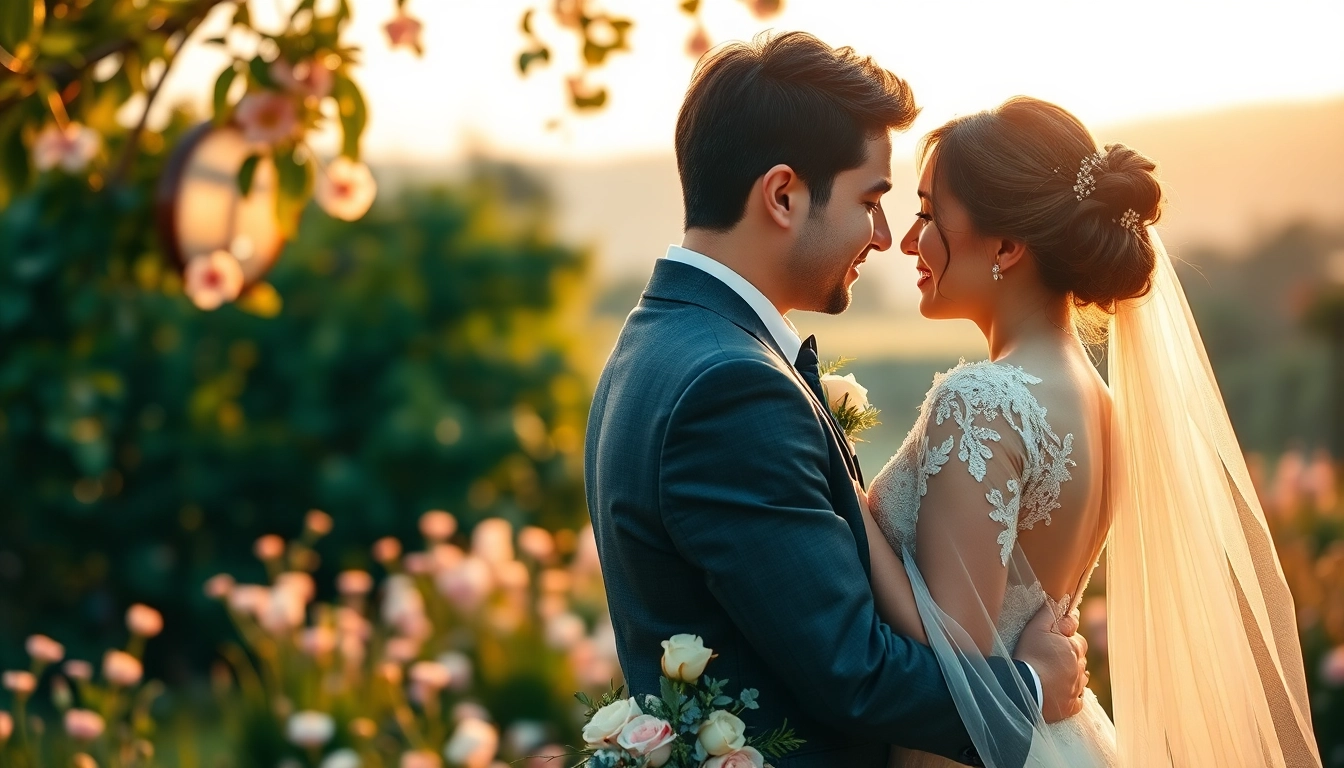
Understanding the Role of a Wedding Photographer
Choosing a Wedding photographer is a significant decision for any couple planning their special day. The photographer plays a crucial role, not just in capturing moments, but in telling the story of your love and commitment. Understanding what a wedding photographer does, their various styles, and the importance of their experience will empower you to make an informed choice.
What Does a Wedding Photographer Do?
A wedding photographer is responsible for documenting your big day, preserving the emotions and details through photographs. Their work goes beyond simply taking pictures; it involves planning, coordination, and creative artistry. Here are some of the primary tasks executed by a wedding photographer:
- Pre-Wedding Consultation: Discussing your vision for the day, preferred styles, and specific moments you wish to capture.
- Candid and Posed Shots: Balancing emotional, unscripted moments with directed photos, allowing for a comprehensive visual narrative.
- Event Coordination: Collaborating with other vendors to ensure that all elements of the wedding day align smoothly.
- Post-Processing: Editing and enhancing images to ensure both style and technical quality meet professional standards.
- Delivery of Photos: Providing you with beautifully edited images in a timely manner.
How Wedding Photographer Styles Differ
Wedding photography encompasses a variety of styles, each with its own unique flair. Understanding these can help you select the right photographer who aligns with your vision:
- Traditional: Involves posed images of the couple, family, and guests, focusing on formalities and key moments.
- Candid: Captures spontaneous moments and emotions throughout the day, creating a more relaxed and natural portrayal of your wedding.
- Documentary: Offers a storytelling approach, revealing the day's events as they naturally unfold without interference.
- Fine Art: A creative and artistic style that merges photography with fine art concepts, often focusing on beauty and aesthetics.
- Portraiture: Emphasizes stunning portraits of the couple and their families, often taken in picturesque settings.
Importance of Professional Experience
When choosing a wedding photographer, their professional experience can significantly influence the quality of your photos. Experienced photographers are not only skilled at creating stunning images but also adept at managing unforeseen challenges that may arise on your wedding day. Their extensive portfolio reflects versatility, already tested skills, and the ability to adapt to different wedding settings, lighting conditions, and emotional environments, ensuring that every critical moment is captured beautifully.
Choosing the Right Wedding Photographer for Your Style
Finding the perfect wedding photographer that aligns with your vision involves several strategic steps, from identifying your photography preferences to researching portfolios and managing your budget.
Identifying Your Photography Preferences
The first step in finding the right photographer is to clarify the styles of photography that resonate with you. Browse through social media platforms like Instagram or Pinterest to gather ideas, and take note of the elements you love. Consider factors such as mood, color palettes, and composition styles. This exercise will not only help guide your search but will also provide valuable insights during consultations.
Researching Wedding Photographer Portfolios
Once you've established your preferences, it's time to dig into the portfolios of different wedding photographers. A comprehensive portfolio will showcase a variety of styles and settings, allowing you to gauge the photographer's skill level. Look for consistency in quality—are the images well-composed and well-edited? Pay attention to their experience in shooting weddings similar to yours, as familiarity with different venues and environments can play a significant role in the final results.
Setting a Realistic Budget
Budgeting for a wedding photographer can seem daunting, but it's essential to have a clear understanding of your financial limits. Wedding photography typically ranges from several hundred to several thousand dollars depending on experience, packages, and location. Consider the following when creating your budget:
- Package Inclusions: Understand what is included in the photographer's package, such as hours of coverage, number of edited images, and the cost of albums.
- Travel Fees: If your wedding is in a location that requires travel, make sure to factor this into your budget.
- Extra Services: Be aware of additional services that could incur costs, like prints, engagement sessions, and custom albums.
The Importance of Pre-Wedding Consultations
A pre-wedding consultation is a critical step in the wedding photography process. This meeting serves as a foundation for the upcoming event and helps establish clear communication.
How to Prepare for Your Consultation
Preparation for your consultation will make the session more productive and insightful. Here are a few tips to get the most out of it:
- Compile a List of Questions: Prepare specific inquiries regarding pricing, package contents, and any additional services offered.
- Share Your Vision: Discuss your expectations and share inspirational images that capture your desired style.
- Understanding Logistics: Bring details about your wedding day timeline, venue, and guest count for an informed discussion.
Discussing Specific Needs with Your Wedding Photographer
During the consultation, articulating your specific needs is paramount. Every couple has unique elements that they want to highlight. These can include:
- Specific group shots with family or friends.
- Details on the wedding theme or colors for styling.
- Cultural or religious customs that require particular attention.
A thorough discussion ensures your photographer understands your priorities and can adequately prepare for capturing them.
Getting to Know Your Wedding Photographer
Couples often forget that the chemistry between them and their photographer can significantly impact their experience on the wedding day. Take time to gauge the photographer's personality, approach, and overall fit with your style. An open connection can create a more relaxed atmosphere, enabling authentic emotions to shine through in the photographs.
What to Expect on Your Wedding Day
As the big day unfolds, knowing what to expect from your photographer can alleviate stress and enhance your overall experience.
Timeline and Coordination with Other Vendors
A well-planned timeline is essential for a smooth wedding day. Your wedding photographer will play a key role in coordinating with other vendors, ensuring the schedule aligns for capturing critical moments—from the ceremony to the reception. Clear communication before the wedding is vital to minimize any last-minute changes or delays.
Becoming Comfortable with Your Wedding Photographer
Feeling at ease with your photographer will lead to more natural and candid photos. Create opportunities for relaxation before the ceremony, such as engaging in informal poses or sharing laughter. A friendly photographer will help you feel comfortable and encourage genuine expressions, ultimately creating memorable images.
Managing Unexpected Challenges
Even the best-laid plans can go awry, and unexpected challenges may arise on your wedding day. Trust in your photographer's expertise to handle these situations. Whether it’s sudden weather changes, last-minute venue adjustments, or schedule delays, an experienced photographer will adapt quickly and creatively to ensure they capture every precious moment.
Preserving Your Wedding Memories—Post-Event Considerations
The job of a wedding photographer doesn’t end once the last dance is over. Thoughtful post-event considerations contribute to how you will cherish your wedding memories for years to come.
Reception of Your Wedding Photos
After your wedding day, the anticipation of receiving your wedding photos can be thrilling. Most photographers provide a timeline for when you can expect to receive your finished images, which may vary from a few weeks to months, depending on their workload. Understanding this timeframe can help manage your expectations and excitement.
Creating an Album with Your Wedding Photographer
Consider creating a wedding album as it serves as a tangible keepsake that tells the story of your day in an organized manner. Work closely with your photographer to select images that reflect the essence of your wedding day and discuss layout options that align with your style preferences.
Maintaining Relationships with Your Wedding Photographer
Maintaining a relationship with your wedding photographer post-event can benefit you in multiple ways, especially for future milestones such as anniversaries and family portraits. A strong rapport can lead to personalized service and a collaborative approach for capturing additional memories throughout the years.
Frequently Asked Questions
1. How long before my wedding should I book a photographer?
It’s ideal to book your wedding photographer 6-12 months in advance. This ensures you have ample time to discuss your vision and secure your preferred photographer.
2. What should I look for in a photographer’s portfolio?
Look for consistency in quality, various shooting styles, and previous work in similar settings. This shows versatility and experience with weddings.
3. How do I prepare for a pre-wedding consultation?
Gather questions about pricing, share your wedding vision and timeline, and compile examples of styles you love to facilitate meaningful discussions.
4. What is the typical turnaround time for wedding photos?
Turnaround times can vary but expect to receive your edited wedding photos within 4 to 12 weeks after your event, depending on your photographer's schedule.
5. Can I request specific shots on my wedding day?
Absolutely! Discuss and share a list of must-have shots with your photographer before the wedding to ensure they capture everything that matters to you.