Understanding the Role of a Commercial Building Developer
Definition and Key Responsibilities
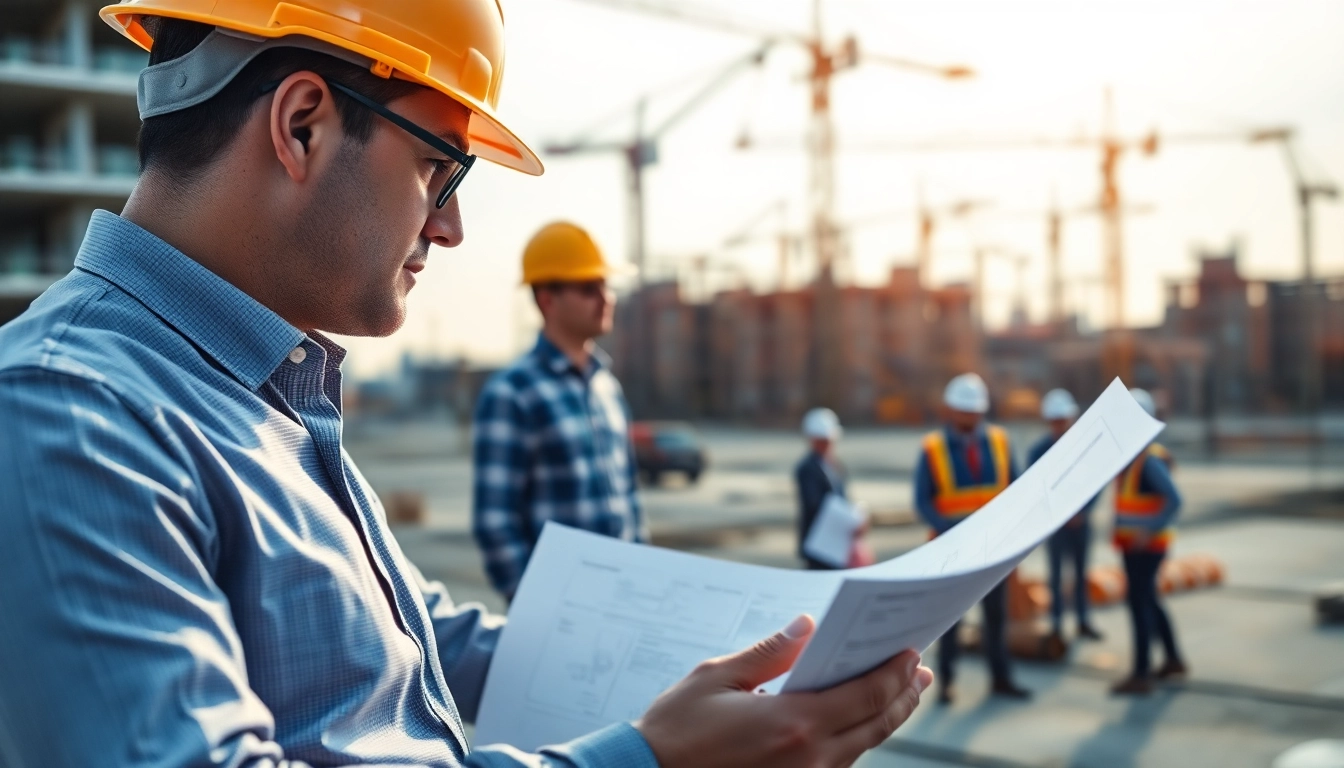
A commercial building developer is a professional who oversees the planning, design, and construction of commercial real estate projects. Their responsibilities encompass a broad spectrum of tasks from site selection and regulatory approvals to securing financing and supervising construction teams. By coordinating various stakeholders, including architects, engineers, contractors, and government entities, they ensure that projects are completed on time, within budget, and to the specified quality standards.
Skills Required for Success
Becoming an effective commercial building developer requires a diverse skill set. Key skills include:
- Project Management: Ability to manage multiple tasks and deadlines efficiently.
- Financial Acumen: Understanding budgeting and financing options, including knowledge of ROI and cash flow analyses.
- Negotiation Skills: Capability to negotiate contracts with vendors and stakeholders.
- Interpersonal Communication: Effectively communicating with various stakeholders to maintain progress and resolve issues.
- Regulatory Knowledge: Familiarity with local zoning laws, building codes, and environmental regulations.
Typical Projects Undertaken
Commercial building developers engage in a variety of projects that serve different purposes. Common types of projects include:
- Office Buildings: Development of corporate offices, co-working spaces, and business centers.
- Retail Spaces: Construction of shopping centers, showing the rise of mixed-use developments that combine retail, dining, and entertainment.
- Industrial Projects: Warehouses and distribution centers that support logistics and supply chain operations.
- Mixed-Use Developments: Projects that incorporate residential, commercial, and recreational spaces within a single site.
- Hospitality Facilities: Hotels and other facilities that serve the tourism and travel industries.
The Commercial Building Development Process
Stages from Concept to Completion
The development process can be broken down into distinct stages:
- Initial Planning: This stage involves identifying market needs, conducting feasibility studies, and determining project goals.
- Site Selection: Choosing a suitable location is crucial. Developers must consider accessibility, local demand, zoning laws, and environmental impact.
- Design and Architecture: Working with architects to create detailed plans that include both aesthetics and functional requirements.
- Financing: Securing the necessary funding through investors, banks, or other financial institutions.
- Construction: Working with contractors to execute the plans while managing timelines and budgets.
- Marketing and Leasing: Once completed, the property must be marketed to potential tenants or buyers.
Importance of Site Selection
Site selection is one of the most critical aspects of a commercial building project. Factors to consider include:
- Demographics: Understanding the target market and its needs.
- Accessibility: Proximity to major transportation routes and public transport options.
- Visibility: Location in high-traffic areas can enhance commercial viability.
- Competition: Assessing the density of similar businesses in the area.
- Zoning Requirements: Ensuring that the intended use of the site complies with local regulations.
Financing and Budgeting Considerations
Financing is pivotal in a commercial building's development. Developers must establish a clear budget that includes:
- Land Acquisition Costs: The price for purchasing or leasing land.
- Construction Costs: Estimations for labor, materials, permits, and fees.
- Operational Costs: Ongoing costs for maintaining and managing the property.
- Contingencies: Reserved funds to cover unforeseen expenses.
Obtaining the appropriate financing involves exploring various options such as bank loans, private equity, or public funding and crafting a sound financial model to present to potential investors.
Challenges Faced by Commercial Building Developers
Regulatory and Environmental Obstacles
Developers often contend with a myriad of regulations including zoning laws, environmental assessments, and building codes which can vary significantly by location. Understanding where to navigate these rules while remaining compliant while also promoting sustainable development practices has become increasingly necessary. Regular engagement with regulatory bodies and environmental stakeholders can aid in mitigating these challenges.
Market Fluctuations and Economic Factors
Commercial real estate can be heavily influenced by economic trends, such as shifts in interest rates, employment rates, and consumer behavior. Economic downturns can slow down project approvals, worsen funding availability, and even reduce demand for certain types of spaces. Vigilance and adaptability are key traits for developers, necessitating close attention to market analytics and economic indicators.
Managing Workforce Issues
Securing and managing skilled labor is crucial for the success of construction projects. Developers frequently encounter issues such as labor shortages, workforce turnover, and the need for specialized skill sets. To combat these issues, developers can foster strong relationships with construction firms and labor unions and invest in workforce development programs.
Best Practices for Aspiring Commercial Building Developers
Building a Professional Network
Networking is essential in the commercial building development field. Establishing connections with industry professionals—like architects, contractors, lenders, and real estate agents—can provide valuable insights and resources. Attending industry conferences, joining developer organizations, and participating in community boards can enhance visibility and opportunities for collaboration.
Leveraging Technology in Development
The integration of technology is reshaping the landscape of commercial building development. Tools such as Building Information Modeling (BIM) improve collaboration during design, while project management software streamlines communication across teams. Investing in tech innovations not only enhances efficiency but also improves decision-making through data analytics.
Staying Updated on Market Trends
Continuous education on market trends, demographic shifts, and emerging technologies is vital for strategic planning and competitive advantage. Subscribing to industry publications, attending workshops, and staying active in community engagement can empower developers to make informed decisions that align with current and future market demands.
FAQs About Becoming a Commercial Building Developer
What education is required for a commercial building developer?
A degree in fields like real estate, finance, business, or construction management is typically recommended. Practical experience often complements academic knowledge.
How does one fund a commercial building project?
Funding options include traditional bank loans, private equity, real estate investment trusts (REITs), and crowdfunding platforms. Developing a solid business plan is essential for securing funding.
What certifications enhance a developer's credibility?
Certifications such as Project Management Professional (PMP), Certified Commercial Investment Member (CCIM), and LEED accreditation can enhance a developer's credibility and marketability.
What are the career growth opportunities in this field?
Career growth can progress from project manager to senior developer or management roles in large development firms, with opportunities to branch into related areas like urban planning or property management.
What challenges do commercial building developers commonly face?
Common challenges include regulatory compliance, fluctuating demand, securing financing, and managing construction timelines. Proactive planning and risk management are crucial to mitigation.