Getting Started with Gardening
Embarking on the journey of Gardening can be a deeply fulfilling experience, connecting you with nature while adding beauty to your surroundings. Understanding the fundamentals is essential to cultivate a successful garden. In this section, we will delve into the various garden types that exist, the essential tools needed for beginners, and how to choose the right plants based on your space and environment.
Understanding Garden Types
Before planting your first seed, it's important to familiarize yourself with the different types of gardening. Each garden type serves unique purposes and comes with distinct requirements.
- Vegetable Gardens: Focused on growing edible plants, these gardens can be as simple as a small patch in your backyard or more complex with raised beds. Vegetables based on seasons can lead to year-round harvests.
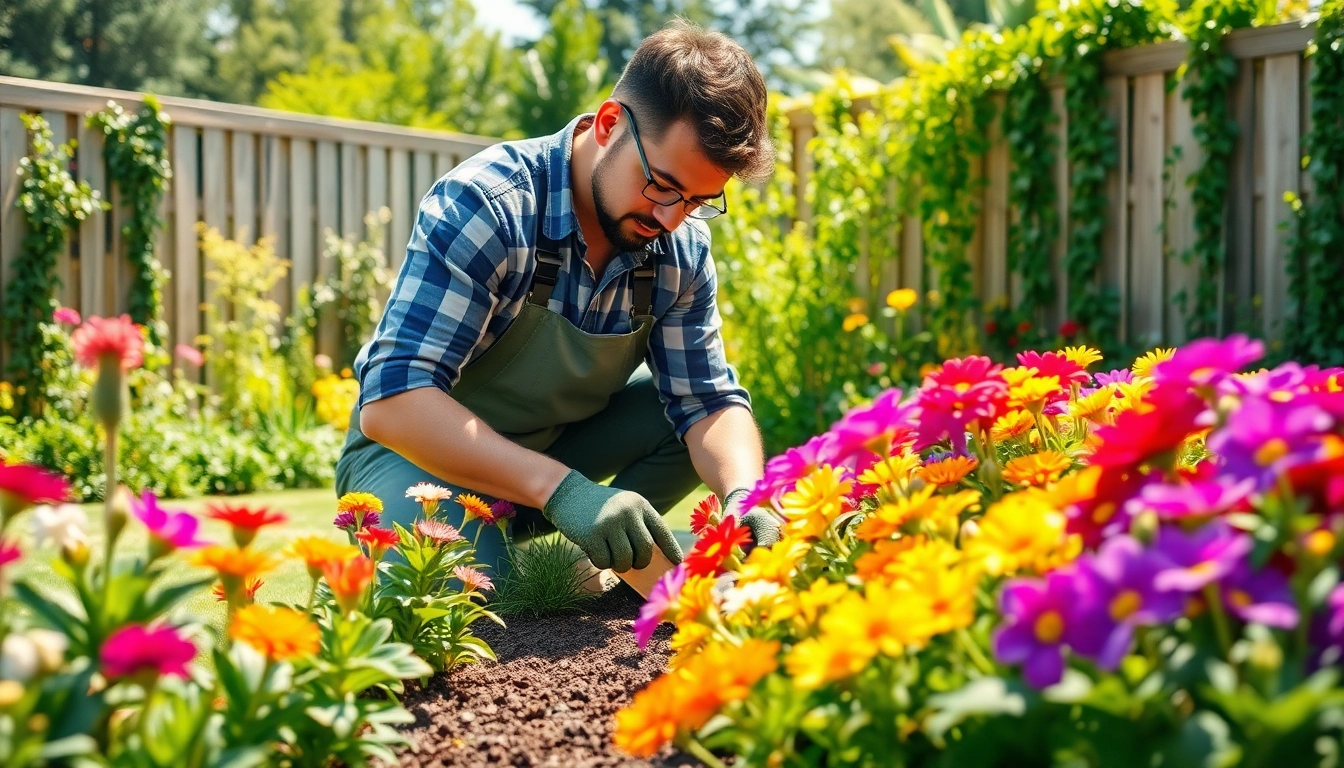
- Flower Gardens: Often designed for aesthetic appeal, flower gardens can contain a variety of blooms that attract pollinators, create color, and offer fragrances throughout the year.
- Herb Gardens: Perfect for culinary enthusiasts, herb gardens are small plots that allow you to cultivate your favorite herbs. They are space-efficient and can thrive in pots on a kitchen windowsill.
- Container Gardening: Ideal for those with limited space, container gardening allows you to grow plants in pots and containers, suitable for balconies or patios.
- Succulent and Cactus Gardens: Catering to those who prefer low-maintenance plants, these gardens can thrive in arid conditions and require minimal watering.
Essential Gardening Tools for Beginners
Having the right tools can make a significant difference in your gardening experience. Below is a list of essential tools every beginner gardener should consider:
- Trowel: A small handheld tool perfect for digging, planting, and transferring soil.
- Hand Pruners: Ideal for trimming and shaping plants, ensuring healthy growth.
- Gardening Gloves: Protect your hands from cuts and dirt while offering a better grip.
- Watering Can: Essential for delivering the right amount of water to your plants.
- Rake: Useful for leveling soil and removing debris from your gardening space.
- Shovel: A larger tool for digging and moving bulk soil or compost.
Choosing the Right Plants for Your Space
Selecting plants that are suited to your specific growing conditions is fundamental. Consider factors like climate, soil type, and available sunlight when choosing plants:
- Climate: Know your plant hardiness zone to choose species that thrive in your area's temperatures.
- Soil Type: Test your soil to determine its pH and nutrient content. Different plants have varied needs, so adjust accordingly.
- Sunlight: Understand how much sunlight your garden receives daily to select plants that match those conditions—full sun, partial shade, or full shade varieties.
Fundamentals of Gardening Care
Once you understand the basics of gardening, it is essential to learn about maintaining a healthy garden. This involves proper soil preparation, watering techniques, and understanding sunlight requirements.
Soil Preparation and Maintenance Tips
Soil is the foundation of your garden's health. For optimal growing conditions, preparation and regular maintenance are required:
- Soil Testing: Test pH and nutrient levels to determine what amendments may be necessary.
- Adding Organic Matter: Incorporate compost or well-rotted manure to improve soil structure, fertility, and moisture retention.
- Tilling: Until the soil to aerate and prepare it for planting, which will improve drainage and nutrient distribution.
- Weeding: Regularly remove weeds to prevent competition for nutrients and water.
How to Water Your Garden Effectively
Watering is crucial for plant health. Here are some tips and techniques to ensure your garden receives adequate moisture without waste:
- Deep Watering: Water thoroughly but less frequently to encourage deep root growth.
- Timing: Water early in the morning or late in the evening to reduce evaporation.
- Watering Tools: Consider using soaker hoses or drip irrigation systems for efficient watering.
Sunlight and Its Impact on Gardening
Understanding sunlight requirements can make or break your gardening success. Different plants need different amounts of light:
- Full Sun Plants: Require 6 to 8 hours of direct sunlight per day.
- Partial Shade Plants: Thrive in 3 to 6 hours of sunlight, with some shade during the day.
- Full Shade Plants: Can grow in less than 3 hours of sunlight. Choose wisely based on specific plant needs.
Advanced Gardening Techniques
Once you have a solid understanding of the fundamentals, you may be interested in advanced gardening techniques to enhance your garden’s productivity and ecosystem.
Companion Planting Strategies
Companion planting is an age-old technique that involves planting different species together for mutual benefits:
- Natural Pest Control: Certain plants repel pests when grown nearby others; for example, marigolds can deter aphids.
- Improving Growth: Some plants can enhance the growth of neighbors through nutrient sharing, such as legumes fixing nitrogen in the soil for other plants.
Organic Gardening Practices for Healthy Plants
Organic gardening focuses on using natural materials and methods to cultivate plants without synthetic fertilizers and pesticides:
- Natural Fertilizers: Use compost, vermicompost, or organic mulches to nourish plants.
- Pest Management: Employ natural predators, such as ladybugs, and use neem oil to keep pests at bay.
Using Mulch and Compost to Enhance Growth
Mulching and composting are among the most effective ways to maintain soil health:
- Benefits of Mulch: Retains soil moisture, suppresses weeds, and adds nutrients as it breaks down.
- Benefits of Compost: Enriches soil, promotes healthy microbial life, and improves nutrient availability.
Overcoming Common Gardening Challenges
Every gardener faces challenges along the way. Understanding common gardening issues and how to tackle them can help ensure your garden’s success.
Pest Management in Your Garden
Pests can devastate a garden if not managed properly. Here are strategies to manage pest populations:
- Identification: Regularly inspect plants to identify pests before they cause significant damage.
- Preventive Measures: Use row covers, crop rotation, and intercropping to deter pests naturally.
- Control Options: Use organic insecticides only as a last resort, targeting the specific pest with minimal harm to beneficial insects.
Dealing with Weather Extremes
Weather fluctuations can impact your garden, so be prepared:
- Frost Protection: Use row covers or cloches to protect tender plants during unexpected cold snaps.
- Heat Management: Create shade using cloths or plant shade-tolerant plants to protect vulnerable species during heat waves.
Common Gardening Mistakes and How to Avoid Them
Every gardener makes mistakes, but recognizing them can improve your skills:
- Over or Under Watering: Learn your plants' specific water needs and monitor soil moisture regularly.
- Poor Plant Choice: Choose plants appropriate for your hardiness zone to avoid failure.
- Ineffective Pruning: Learn proper techniques to encourage healthy growth and flowering.
Building a Sustainable Garden
Sustainability should be a key goal for modern gardeners. Implementing eco-friendly practices can enhance the environment while nurturing plant growth.
Implementing Water Conservation Methods
Reducing water usage is not only environmentally friendly but can also help save on utility bills:
- Rainwater Harvesting: Install barrels to collect rainwater from gutters for irrigation purposes.
- Drought-Resistant Plants: Choose native plants that require less water once established.
Creating a Wildlife-Friendly Gardening Space
Your garden can serve as a sanctuary for wildlife. Here’s how to create a welcoming habitat:
- Native Plantings: Plant native species to attract local wildlife, including pollinators and beneficial insects.
- Water Features: Incorporate birdbaths or small ponds to provide water sources for birds and beneficial insects.
Planning for Seasonal Changes in Gardening
Understanding the changing seasons can help you better prepare and maintain your garden:
- Seasonal Planting: Plan for spring planting while considering fall crops to extend your growing season.
- Seasonal Maintenance: Adapt your care routines according to the season’s needs, including pruning in winter and mulching in summer.