Understanding the Basics of Gardening
What is Gardening?
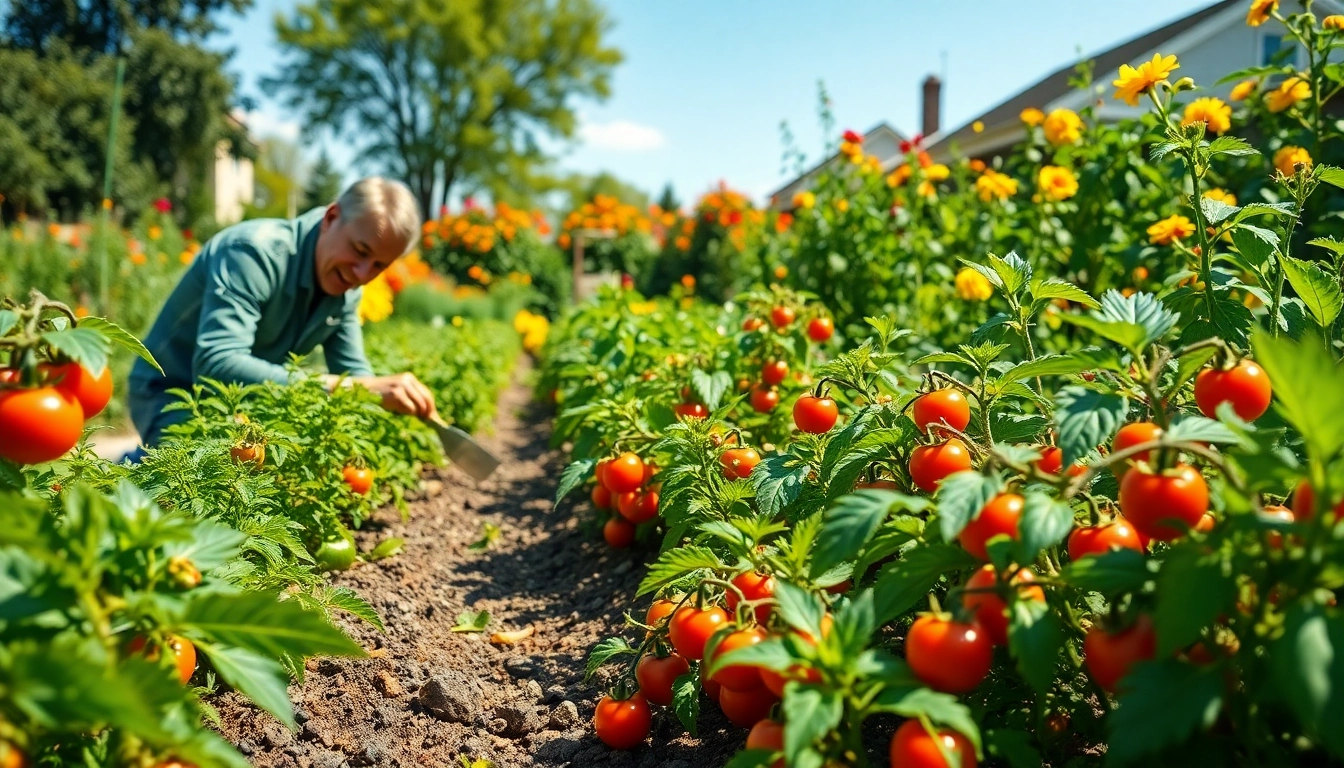
Gardening is the practice of cultivating plants for various purposes, including ornamental beauty, food production, and environmental enhancement. Whether you have a sprawling backyard or a modest balcony, the essence of gardening lies in nurturing plants, understanding their growth requirements, and creating a nurturing environment. It encompasses a wide array of activities from understanding soil health to planting methods, watering strategies, and pest management. At its core, gardening is both an art and a science.
Importance of Gardening for Health and Environment
Engaging in Gardening has profound effects on both individual health and the environment. Psychologically, gardening serves as a therapeutic outlet, reducing stress and enhancing well-being. Studies show that spending time in nature can lower cortisol levels and promote feelings of calm and happiness. Physically, gardening is a form of moderate exercise, helping to improve strength, stamina, and flexibility.
On an environmental level, gardening plays a critical role in biodiversity conservation. Home gardens contribute to food security by providing fresh produce, promoting sustainable practices, and reducing carbon footprints. Furthermore, they can serve as vital habitats for pollinators and other beneficial organisms, nurturing ecosystems right in our backyards.
Types of Gardening to Consider
There are numerous types of gardening, each with its unique benefits and approaches. Some popular styles include:
- Vegetable Gardening: Focuses on growing fruits, vegetables, and herbs for consumption. This type typically requires dedicated soil preparation and planning.
- Flower Gardening: Emphasizes aesthetics, with an array of flowering plants designed to beautify spaces.
- Container Gardening: Ideal for small spaces, container gardening involves growing plants in pots or other containers.
- Vertical Gardening: Utilizes vertical space to grow plants, making it perfect for urban environments with limited ground space.
- Sustainable Gardening: Involves practices that are considerate of the environment, such as organic methods and the conservation of resources.
Preparing for Your Gardening Journey
Choosing the Right Location for Your Garden
Location is key when starting your garden. Ideally, select a spot that receives at least six hours of direct sunlight daily while ensuring easy access to water. Be mindful of natural features within your space, such as tree shade and wind patterns, which can significantly affect plant growth. Additionally, consider the proximity to your home for convenience and maintenance purposes.
Essential Tools and Supplies for Gardening
Investing in the right tools is crucial for effective gardening. Some must-have tools include:
- Hand trowel: For digging and scooping soil.
- Pruning shears: Essential for trimming plants and encouraging healthy growth.
- Gloves: To protect your hands from dirt and damage.
- Watering can or hose: For efficient watering of plants.
- Rake and hoe: Useful for preparing soil and removing weeds.
Soil Preparation and Fertility
The success of your garden hinges on good soil health. It's essential to conduct soil tests to understand its pH and nutrient levels. Healthy soil is typically rich in organic matter, which promotes microbial activity and supports plant growth. Look for ways to improve your soil with compost, which enriches it with nutrients, enhances its structure, and increases its ability to retain moisture, ultimately resulting in thriving plants.
Planting Techniques and Growing Strategies
Seed Selection and Planting Guide
Choosing the right seeds is critical for successful gardening. Consider factors such as your local climate, soil type, and the amount of sunlight your garden receives. When planting:
- Always read the seed packet for optimal planting instructions.
- Start with seeds that are easier to grow for beginners, like radishes or lettuce.
- Consider starting seeds indoors if you live in a location with a shorter growing season.
Watering and Sunlight Needs
Understanding the watering and sunlight requirements of different plants is essential to their survival. Most plants thrive with deep watering once a week rather than daily shallow watering. To ensure optimal conditions for growth, always check the moisture level in the soil before watering. Sunlight requirements vary widely between plant types; while some prefer full sun, others may thrive in partial shade. Adjust your planting accordingly, taking these needs into account.
Organic vs. Conventional Gardening Practices
The debate between organic and conventional gardening often centers around sustainability and health. Organic gardening relies on natural methods to promote plant growth and pest control, typically avoiding synthetic fertilizers and pesticides. While organic practices can take more time and effort, they often lead to a healthier ecosystem. Conventional gardening, on the other hand, may utilize synthetic options for quicker results but can lead to long-term soil degradation and health concerns. Assess your gardening goals to determine which approach aligns best with your values.
Maintaining Your Garden for Optimal Growth
Pest Control and Plant Care Tips
Pest management is an ongoing challenge for gardeners. Effective strategies include:
- Regular Monitoring: Check plants regularly for signs of pests or disease, allowing for prompt action.
- Cultural Controls: Implement practices such as crop rotation and companion planting to reduce pest populations.
- Natural Predators: Introduce beneficial insects like ladybugs and lacewings to help control pest populations naturally.
Seasonal Gardening Tasks and Timing
Your gardening schedule will depend on seasonal changes. In spring, focus on planting seeds and preparing soil. Summer requires regular watering and maintenance, while fall is the time for harvesting and preparing your garden for winter. Each season brings unique challenges and opportunities; recognizing these allows for a well-timed approach to plant care.
Sharing Your Gardening Experience
Sharing your gardening experiences can not only enhance your knowledge but also build a community around shared interests. Consider documenting your gardening journey through social media or joining local gardening groups where you can exchange tips, challenges, and successes. Engaging with others fosters a sense of camaraderie and may provide solutions to common gardening challenges.
Expanding Your Gardening Skills and Knowledge
Advanced Gardening Techniques
As you become more comfortable with basic gardening practices, exploring advanced techniques can be rewarding. Techniques such as permaculture, aquaponics, and hydroponics offer innovative methods of growing without traditional soil. Advanced planning for crop rotation and companion planting can drastically improve productivity and pest management as well. Continuous exploration of these advanced methods can take your gardening to new heights.
Joining Gardening Communities for Support
Joining a gardening community—either online or in-person—can provide valuable support and insights. Numerous forums and social media groups exist where gardeners share experiences, solutions, and mentorship opportunities. Engaging in a community not only provides essential support but also enriches your gardening experience through shared knowledge and inspiration.
Continuous Learning and Improvement in Gardening
Gardening is a perpetual learning journey. Take time to read books, attend workshops, or leverage online resources to continually expand your knowledge base. By nurturing your passion and curiosity for gardening, you can refine your methods, broaden your skill set, and ultimately achieve a thriving garden that reflects your dedication and love for this rewarding endeavor.