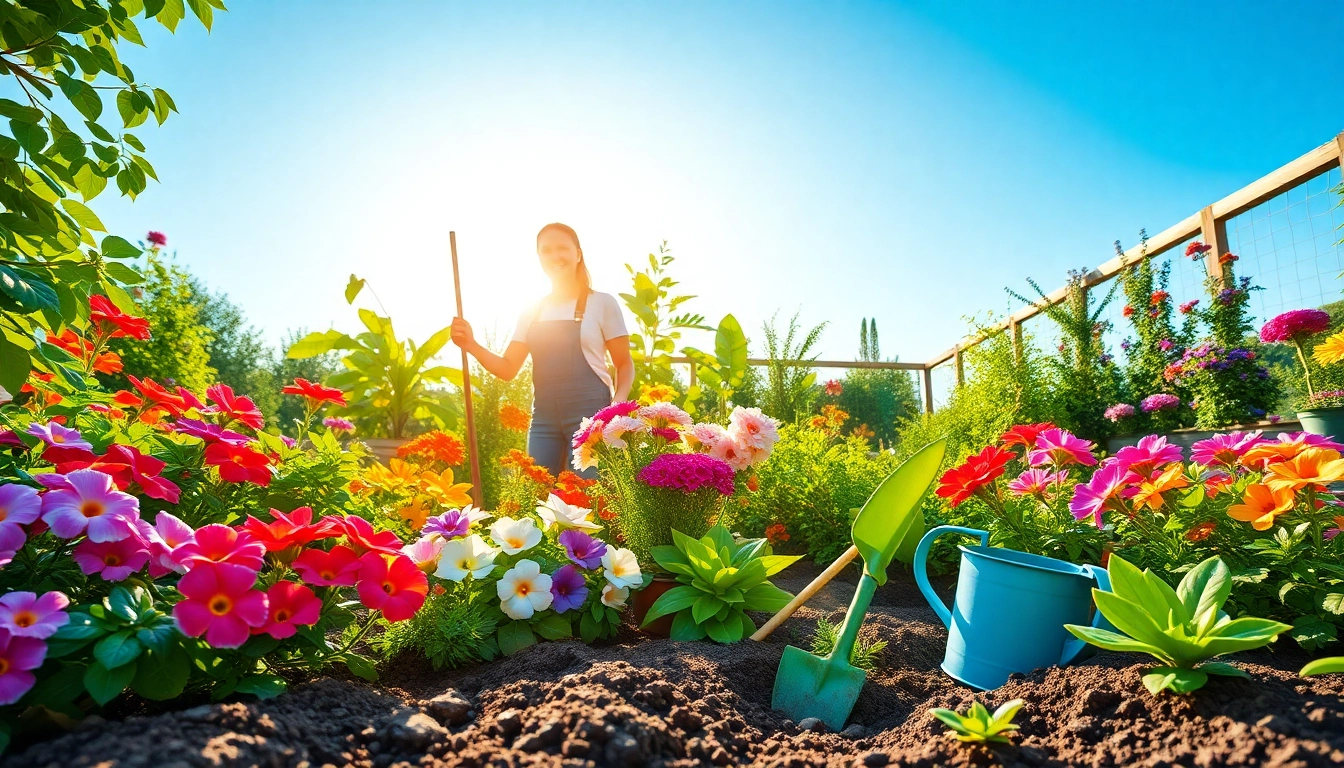
Understanding the Basics of Gardening
What is Gardening?
Gardening is the practice of cultivating and nurturing plants, a rewarding activity that can yield fruits, vegetables, flowers, and herbs. Essentially, it involves redesigning and utilizing space to create an ecosystem that supports plant growth. This can happen in various environments, whether it's a backyard, balcony, or community plot. Gardening is deeply rooted in human history, serving not just as a means of food production, but also as a form of therapy, a hobby, and a pathway to sustainable living.
Types of Gardening Methods
Gardening can take on numerous forms, each with its unique approach and benefits:
- Vegetable Gardening: This method focuses on growing plants for consumption. Typically, it's done in soil beds, but container gardening is also a popular choice.
- Flower Gardening: Here, the emphasis is on cultivating flowers, either for aesthetic enjoyment or for uses like bouquets and floral arrangements.
- Herb Gardening: Growing herbs can add flavor to dishes, and many people delight in cultivating their own fresh herbs. This type of gardening can be done indoors or outdoors.
- Ornamental Gardening: This non-functional gardening aims primarily to beautify the landscape. Gardeners use different plants, colors, and designs to create a visually appealing space.
- Container Gardening: Ideal for those with limited space, container gardening allows individuals to grow plants in pots or other containers, which can be placed on balconies, patios, or window sills.
Basic Tools for Effective Gardening
Having the right tools can make the difference between a chore and a joy in gardening. Here are some essential tools every gardener should consider:
- Hand Trowel: A small hand-held tool for digging and planting.
- Pruning Shears: Essential for trimming and maintaining plants.
- Garden Fork: A must-have for loosening soil and turning over compost.
- Watering Can: Handy for providing plants with water, especially in delicate situations.
- Gloves: Protect hands from thorns and blisters.
Planning Your Garden
Choosing the Right Location for Gardening
The very first step in the gardening process is choosing the appropriate location. Light and water accessibility are critical factors. Most plants require at least 6–8 hours of sunlight, so ensuring your garden is place strategically can have lasting positive effects on plant growth.
Importance of Soil Quality in Gardening
Soil quality directly impacts the health and productivity of your plants. High-quality soil is rich in nutrients and organic matter, and it provides adequate drainage. Conducting a soil test can give you valuable insights into its pH, nutrient levels, and the necessary amendments needed to optimize plant health.
Garden Layout Ideas: Raised Beds vs. In-Ground
When planning your garden layout, one major decision is between raised beds and in-ground gardens. Raised beds offer better soil quality, improved drainage, and easier access, particularly for those with mobility issues. In contrast, in-ground gardens can allow larger plantings and require less initial cost. Each method has its pros and cons, and the choice depends on personal circumstances and gardening goals.
Essential Gardening Techniques
Watering Strategies for Healthy Growth
Watering is crucial to plant health. Yet, overwatering and underwatering are common mistakes gardeners make. Understanding your plants' needs is essential. Deep, infrequent watering encourages roots to grow deeper into the soil, while shallow, frequent watering can lead to a weak root system. Utilizing techniques like drip irrigation can help ensure that plants receive adequate moisture without waste.
Fertilizing Techniques for Vibrant Plants
Fertilizing provides the nutrients that plants require to thrive. Organic fertilizers, such as compost and worm castings, are excellent for building and maintaining soil health. In contrast, synthetic fertilizers can give plants quick access to nutrients. Understanding the balance of nitrogen, phosphorus, and potassium (NPK) in your fertilizer can enhance growth and bloom.
Pruning and Maintenance Tips
Regular pruning is essential for keeping plants healthy. It promotes better air circulation, encourages growth, and can lead to increased blooming. Gardeners should remove dead or unhealthy foliage and trim back overgrown branches to maintain shape and vitality. Seasonal maintenance, including weeding, mulching, and monitoring plant health, should also be part of any gardening plan.
Dealing with Gardening Challenges
Common Pests and Effective Control Methods
Garden pests can pose a significant threat to plants, but numerous methods exist to control them. Companion planting, using traps, and introducing beneficial insects such as ladybugs can help keep pest populations in check. Organic solutions, such as neem oil and insecticidal soap, can be effective without harming beneficial insects.
Recognizing and Treating Plant Diseases
Identifying diseases early can save plants from severe damage. Common symptoms to watch for include discoloration, wilting, and unusual growth patterns. Techniques such as crop rotation, selecting resistant varieties, and improving soil health can prevent many diseases. Implementing integrated pest management (IPM) fosters an ecological approach to disease control.
Weather Factors Impacting Gardening Success
Weather greatly impacts gardening. Factors such as temperature fluctuations, extreme heat, and excess rainfall can influence plant growth. Using mulch can help regulate soil temperature and moisture levels, while row covers can protect sensitive plants from unexpected cold weather. Additionally, understanding your local climate can inform plant timing and selection.
Expanding Your Gardening Knowledge
Community Resources for Gardening Enthusiasts
Joining a gardening community can enhance your knowledge and experience. Local gardening clubs, online forums, and social media groups provide platforms for sharing tips, seeking advice, and learning from others’ successes and challenges. Many communities also offer workshops and demonstrations to broaden gardening skills.
Advanced Gardening Techniques to Explore
As your gardening skills grow, consider experimenting with advanced techniques such as permaculture, aquaponics, or vertical gardening. These methods apply ecological principles for efficient growth and resource use. Enthusiasts can develop thriving ecosystems that maximize space and yield while minimizing environmental impact.
Utilizing Technology in Modern Gardening
Technology is revolutionizing the gardening landscape. Smart irrigation systems, app-based plant monitoring, and soil sensors are becoming increasingly accessible. These tools help gardeners optimize resources, monitor plant health, and obtain real-time information about their gardens, leading to better decision-making and improved outcomes.