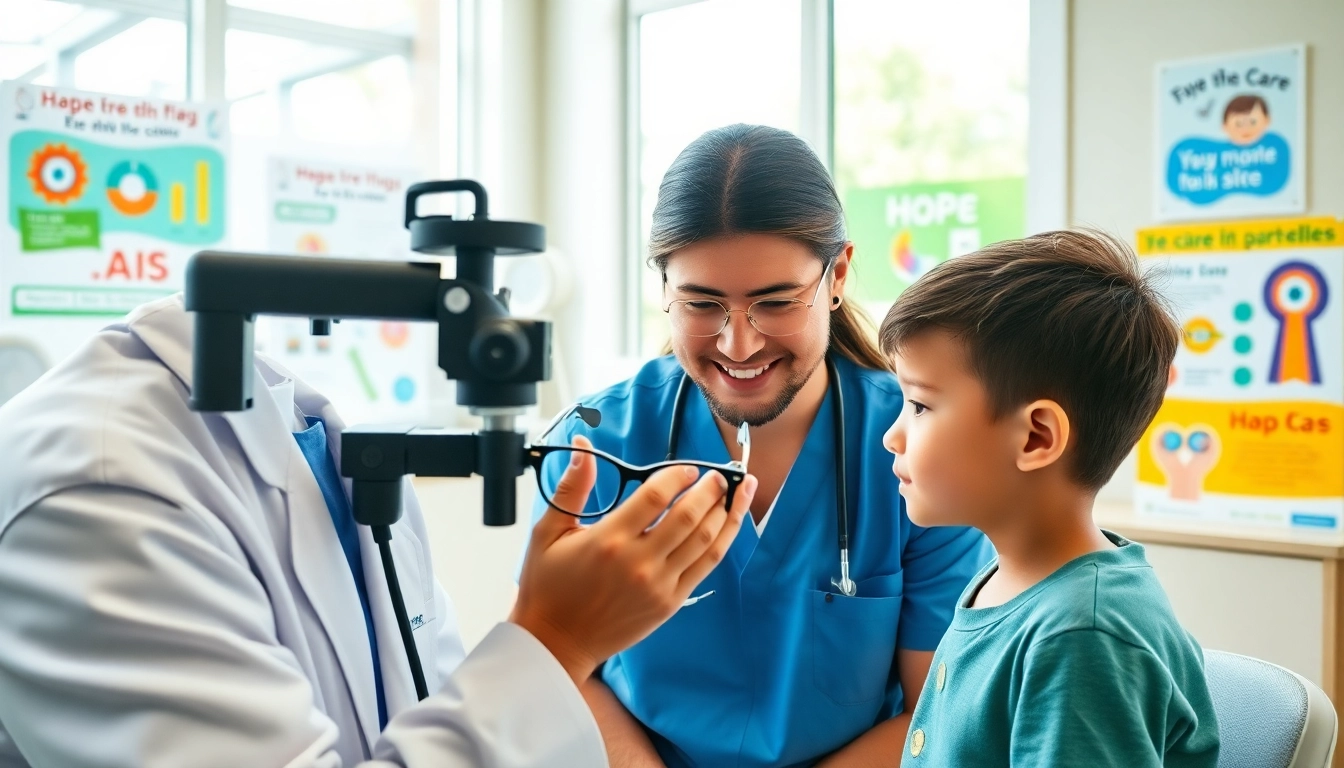
Introduction to Our Children's Vision
Vision plays a crucial role in a child's development, influencing their educational achievements and overall quality of life. Unfortunately, millions of children worldwide face vision impairment, often stemming from lack of access to adequate eye care. Our Children's Vision is an initiative designed to combat this issue, fostering collaborations and raising awareness to ensure that children receive the eye health services they need.
The Importance of Childhood Eye Health
Childhood is a formative period where vision health significantly impacts development. Healthy vision is vital for learning; children rely on their sight for educational activities, social interactions, and engaging with their environment. The implications of unaddressed vision problems can jeopardize their educational journey and socio-emotional well-being, leading to lower academic performance and reduced self-esteem.
Understanding the Initiatives Behind Our Children's Vision
Our Children's Vision seeks to address the eye care disparities affecting children globally through comprehensive programs that include advocacy, community engagement, and partnerships across the healthcare sector. By focusing on sustainable, long-term strategies, the initiative aims to create lasting change in eye health access and education for children.
The Role of Community in Eye Health Awareness
Communities play a pivotal role in enhancing awareness about eye health. Through local outreach programs and collaboration with schools and healthcare providers, initiatives can educate families about the importance of regular eye examinations and the signs of vision impairment. Community-driven efforts can mobilize resources and foster an environment where eye care becomes a priority.
Common Vision Problems in Children
Understanding common vision problems that affect children is essential for early detection and intervention. Vision issues can range from refractive errors to more severe conditions if left unaddressed. Increasing awareness among parents and teachers can significantly influence how quickly children receive care.
Identifying Early Signs of Vision Issues
Parents and educators should be vigilant in observing early signs of vision problems in children, such as difficulty reading, squinting, frequently rubbing their eyes, or appearing to have trouble seeing the board from a distance. Recognizing these signs can prompt timely medical evaluations that may prevent further complications.
Prevalence of Vision Problems Among Children
Studies indicate that a significant number of children experience vision problems, with many going undiagnosed until these issues seriously impact their learning and socialization. The prevalence of conditions such as nearsightedness, farsightedness, and astigmatism calls for proactive screening processes within schools and pediatric healthcare settings.
Impact of Uncorrected Vision on Development
Uncorrected vision issues can have a lasting impact on a child’s educational and personal development. Children with poor vision are likely to struggle academically and may face difficulties in social situations due to their inability to engage fully in activities. Addressing these problems promptly can enhance their learning experience and overall quality of life.
Best Practices for Eye Care in Children
Promoting eye health involves not only identifying issues but also adopting best practices that encourage proactive care. Parents and educators should understand these methods to ensure lifelong healthy vision for children.
Regular Vision Screenings and Eye Exams
Establishing a routine for regular vision screenings is critical. The American Optometric Association recommends that children have comprehensive eye exams at 6 months, 3 years, and before starting kindergarten, followed by annual evaluations to assess any changes in vision. Routine screenings can help identify issues early on and allow for timely intervention.
Healthy Habits for Maintaining Good Vision
Parents can foster healthy visual habits from a young age. Encouraging outdoor play, limiting screen time, and ensuring appropriate lighting during reading can significantly contribute to better eye health. Nutrition also plays a role; diets rich in vitamins A, C, and E, along with omega-3 fatty acids, support overall eye health.
Utilizing Educational Resources to Promote Awareness
Educational resources can help parents and children understand the importance of eye health. Schools can incorporate lessons on eye care into their health curriculums and provide materials that inform families about the signs of vision impairment and the importance of regular eye exams.
Partnerships Supporting Our Children's Vision
Collaborative efforts are vital for enhancing eye health initiatives for children. By forming partnerships across various sectors, including education, healthcare, and community organizations, we can develop comprehensive strategies to address eye health issues effectively.
Collaboration with Schools and Health Organizations
Schools serve as critical access points for vision care, where children spend a significant amount of time. Collaborating with health organizations can facilitate screening programs and informational campaigns that inform students and parents about the importance of eye health, ultimately leading to a culture of prioritizing vision care.
Global Efforts to Address Eye Care Accessibility
Globally, eye care accessibility remains a challenge, particularly in underserved communities. Initiatives aimed at providing resources and services, such as mobile eye clinics and free vision screenings, are crucial for reaching children in areas with limited access to professional eye care services. Bridging this gap is fundamental for ensuring every child has the opportunity for healthy vision.
Engaging Local Communities in Eye Health Initiatives
Local communities can drive meaningful change through grassroots campaigns focused on eye health awareness. Empowering community members to take action can help promote educational workshops and build support networks to facilitate access to eye care services. Engaging parents, teachers, and local leaders in these efforts ensures a more sustainable approach to eye health advocacy.
Future Goals of Our Children's Vision Campaign
Looking to the future, Our Children's Vision aims to build a more equitable framework for children’s eye health by addressing accessibility, funding, and educational needs in eye care.
Aim for Increased Access to Eye Care
A primary goal of the initiative is to increase access to eye care services for all children, regardless of geographic or socioeconomic barriers. This includes developing partnerships with governments and NGOs to expand outreach programs and resources necessary for delivering care to underserved areas.
Long-term Strategies for Sustainability
Establishing sustainable practices is paramount for ensuring that eye health initiatives continue to thrive and evolve. This includes securing funding, leveraging community involvement, and fostering a culture of awareness that prioritizes long-term eye health from childhood into adulthood.
Measuring Impact and Success in Children's Eye Health
To evaluate the effectiveness of programs under Our Children's Vision, it is crucial to establish clear metrics for success. These may include tracking the number of screenings conducted, the percentage of children referred for follow-up care, and overall improvements in childhood vision health metrics. Comprehensive data collection and analysis will inform better practices and the scaling of successful programs across broader communities.