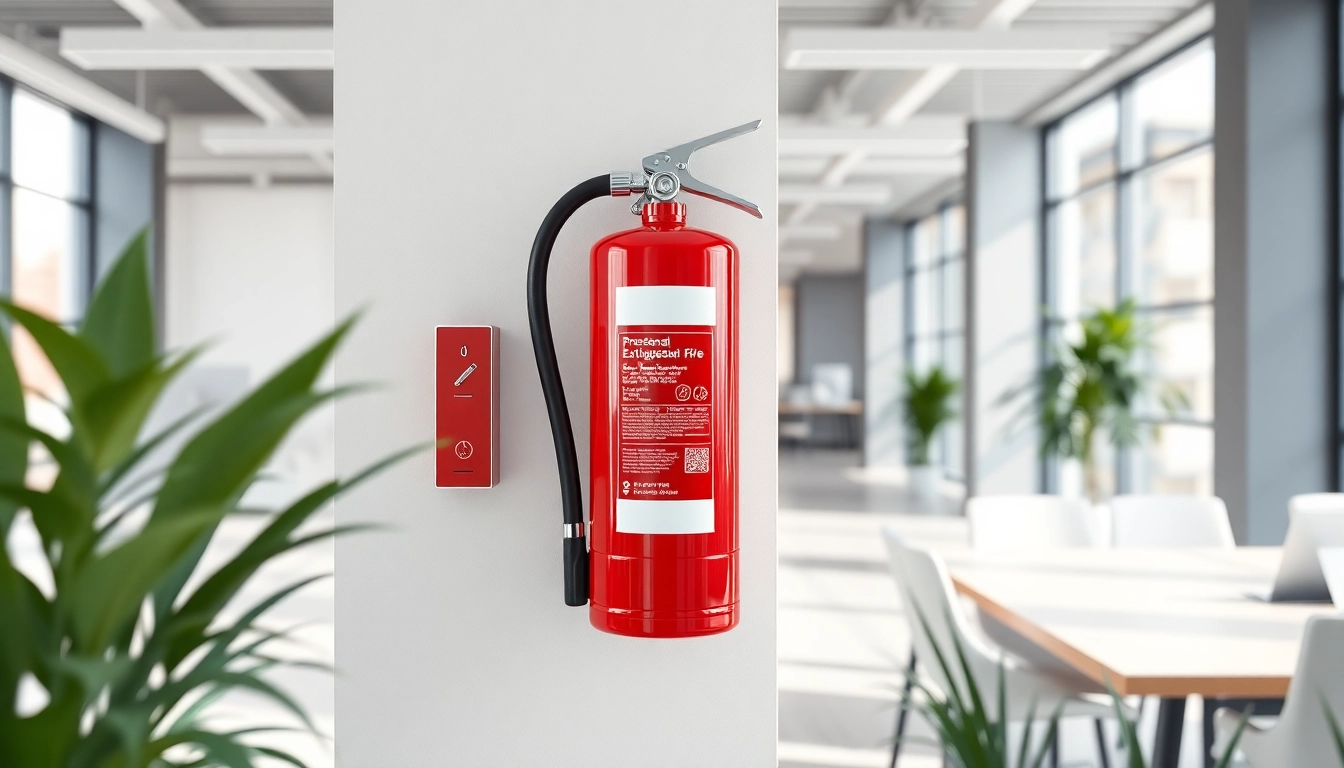
Understanding Electrical Fire Extinguishers
What is an Electrical Fire Extinguisher?
An electrical fire extinguisher is a specialized fire suppression device designed to combat fires caused by electrical equipment or appliances. These extinguishers typically utilize non-conductive materials to safely put out fires without the risk of electric shock. They are crucial in environments where electrical equipment is prevalent, such as offices, factories, and workshops. Understanding the unique nature of electrical fires is essential for selecting the right extinguisher for a specific scenario. The electrical fire extinguisher can save lives and protect assets by ensuring adequate preparation for an emergency.
Key Features and Types
Electrical fire extinguishers come in various types, and each type is engineered for particular fire classes defined by the National Fire Protection Association (NFPA). The principal categories of extinguishers suitable for electrical fires include:
- Class C Extinguishers: These are specifically designed for fires involving electrical equipment. They typically use carbon dioxide (CO2), which displaces oxygen and cools the flames without conducting electricity.
- Class K Extinguishers: Primarily used in kitchen spaces for grease fires but can also handle electrical sources. However, they are less common in traditional office environments.
- Water Mist Extinguishers: These extinguishers produce a fine mist that can cool the flames and create a barrier against further fire spread without conducting electricity.
- Dry Chemical Extinguishers: While still effective for Class C fires, they can leave residue that may damage electronic components, making selection crucial.
When to Use an Electrical Fire Extinguisher
Knowing when to deploy an electrical fire extinguisher is vital. They should only be used when:
- The fire is small and manageable.
- You have a clear escape route and are not in danger.
- You are familiar with the extinguisher's operation.
- The source of power can be safely disconnected if possible.
Never attempt to use water or regular fire extinguishers, as those can worsen the fire or result in electrical shock.
Importance of Electrical Fire Extinguishers in the Workplace
Legal Requirements for Businesses
Workplace safety regulations mandate that businesses must have appropriate fire safety equipment, including electrical fire extinguishers. Adhering to guidelines set by local fire authorities and labor departments is not just about compliance, but also protecting employees and property. Regular audits and assessments should ensure that extinguishers are suitable for the type of fire hazards present in the workplace.
Protecting Employees and Assets
Inadequate preparation for electrical fires can lead to severe injuries, fatalities, and significant property damage. Investing in electrical fire extinguishers not only safeguards employees but also protects critical assets. Properly trained staff who know how to handle these extinguishers can make a profound difference in maintaining a safe work environment.
Case Studies: Prevention Stories
Numerous organizations have successfully prevented disastrous outcomes due to their preparedness for electrical fires. For instance, a manufacturing facility equipped with Class C extinguishers experienced a minor electrical incident. Due to immediate response and proper equipment, a potential crisis was averted without injuries or property loss. Highlighting such success stories can foster a culture of safety within the organization.
Best Practices for Using Electrical Fire Extinguishers
Training Employees on Usage
Comprehensive fire safety training is essential for all employees. This training should cover the types of fire extinguishers available, their specific applications, and practical operation through controlled drills. Employees should have hands-on experience with the extinguishers they will be using. A well-informed workforce can dramatically increase the effectiveness of emergency responses.
Regular Maintenance and Inspection
Regular maintenance of electrical fire extinguishers is non-negotiable. Inspections should be performed typically once a month to ensure that units are charged and in good working condition. Additionally, when used, extinguishers should be refilled or replaced immediately. Proper documentation of inspections helps maintain safety standards and facilitates compliance with legal requirements.
Strategic Placement in Work Areas
The placement of electrical fire extinguishers should be strategic and visible. They must be located near potential fire hazards but away from their possible immediate vicinity to ensure accessibility without danger. Clear signage and regular checks ensure that everyone knows where these indispensable tools are located in case of an emergency.
Common Misconceptions About Electrical Fire Extinguishers
Do's and Don’ts
Understanding the dos and don’ts of using electrical fire extinguishers helps in effectively preventing fire-related losses. The following guidelines should be adhered to:
- Do: Use the extinguisher from a safe distance, aiming at the base of the fire.
- Don't: Use water to douse the flames; it can intensify the fire.
- Do: Ensure a clear escape route before approaching the fire.
- Don't: Attempt to fight a fire that's out of control or spreading rapidly.
Myth-Busting Common Beliefs
Myths surrounding electrical fire extinguishers can lead to improper usage. For example, one common misconception is that all fire extinguishers can be used on electrical fires, which is incorrect. Only those rated for Class C fires should be used. Understanding these myths is crucial in averting potentially dangerous situations.
Understanding Fire Classes
Fires are classified into different categories, each requiring specific approaches. Familiarity with these classes ensures the correct extinguisher is used without risking safety. The main classes include:
- Class A: Ordinary combustibles (wood, paper).
- Class B: Flammable liquids (oils, paints).
- Class C: Electrical equipment.
- Class D: Combustible metals (magnesium, titanium).
- Class K: Cooking oils and fats.
Future of Fire Safety: Innovations in Extinguisher Technology
Smart Extinguishers and IoT Integration
The future of fire safety lies in the innovations brought by technology. Smart fire extinguishers equipped with IoT capabilities allow for real-time data transmission to fire safety managers. These devices can alert personnel of potential fire hazards and monitor environmental conditions, reducing risks and enhancing safety protocols.
Developing Environmentally Friendly Options
As environmental awareness grows, there is a push for more biodegradable and eco-friendly extinguishing agents. Manufacturers are exploring options that minimize environmental impact while effectively combating fires, particularly for electrical fires where conventional extinguishers may pose additional hazards.
The Role of Technology in Fire Training
Technology is revolutionizing fire safety training with virtual reality (VR) and augmented reality (AR). These immersive experiences offer realistic simulations, allowing employees to practice emergency responses in a safe environment. As these technologies become more accessible, training can be both cost-effective and impactful, leading to better preparedness in real-world scenarios.
FAQs About Electrical Fire Extinguishers
1. What types of fires can an electrical fire extinguisher be used on?
An electrical fire extinguisher is specifically designed for Class C fires, which involve electrical equipment. These extinguishers should not be used on fires classified as Class A or B.
2. How often should electrical fire extinguishers be inspected?
It’s recommended to inspect electrical fire extinguishers monthly. Regular checks ensure they are charged, properly placed, and free from damage.
3. Can I use water to put out an electrical fire?
No. Water conducts electricity and can worsen an electrical fire, increasing the risk of shock. Use an appropriate Class C extinguisher instead.
4. How do I know which extinguisher to use for a fire?
Identify the type of fire based on the materials involved. For electrical fires, ensure you use a Class C extinguisher to ensure safety and effectiveness.
5. Are there training resources available for electrical fire safety?
Yes, many organizations offer training programs that include fire extinguisher operation and safety protocols. These can typically be requested through local fire departments or safety training providers.