Understanding Water Features
What Are Water Features?
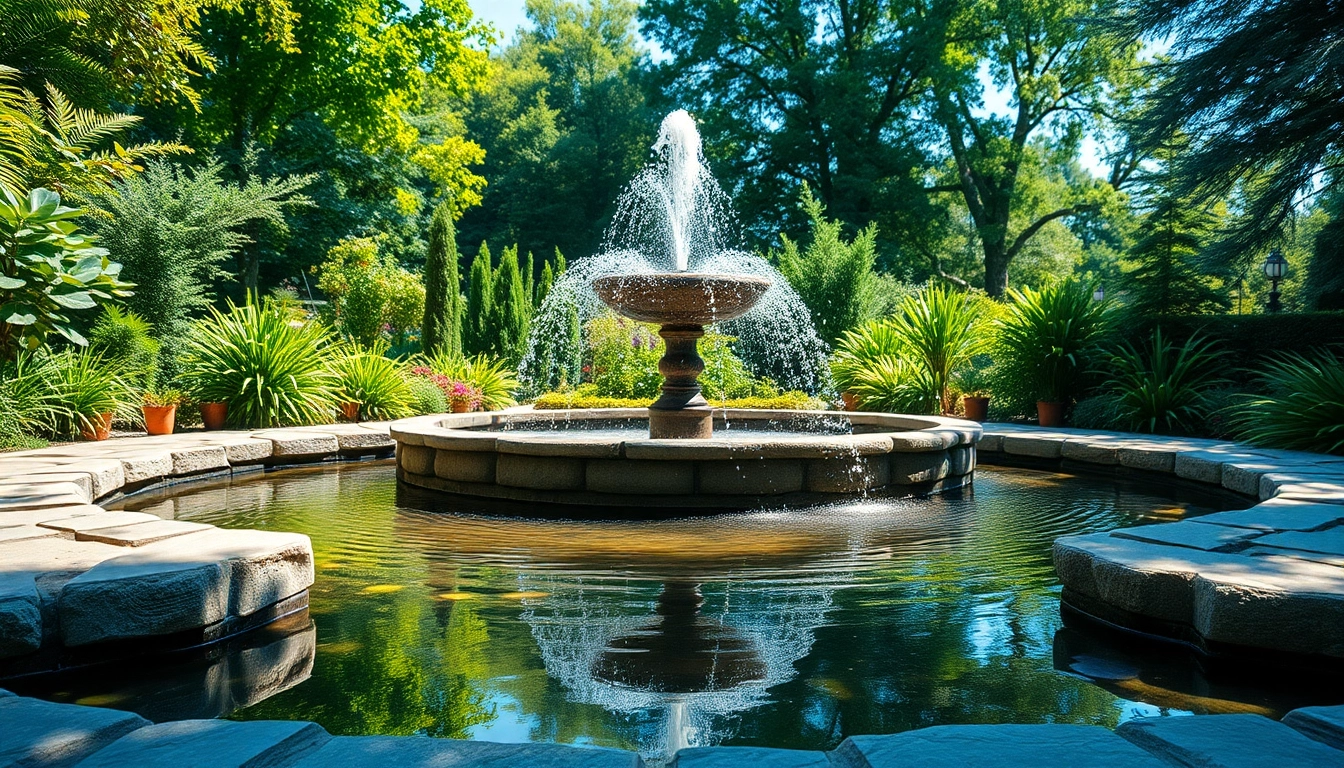
Water features are elements in landscaping that incorporate water in various forms, designed to enhance the aesthetic appeal and tranquility of outdoor spaces. These features can range from simple birdbaths to elaborate ponds and fountains. Water features not only attract the eye but also create soothing sounds of flowing or bubbling water that can transform an ordinary garden into a serene oasis. They are popular in residential and commercial settings, as they provide a connection to nature, and help to promote relaxation and stress relief. Integrating water features into your outdoor area can also improve the overall environment by promoting biodiversity and supporting local wildlife.
Types of Water Features
There are several types of water features, each with its distinct characteristics and benefits:
- Ponds: These are larger bodies of water that can host fish, aquatic plants, and serve as habitats for various wildlife.
- Fountains: Available in various styles and sizes, fountains create a stunning visual effect along with the soothing sound of flowing water.
- Birdbaths: Simple yet effective, birdbaths attract a multitude of birds, enhancing biodiversity and garden activity.
- Streams: Artificial or natural streams add a dynamic element to landscaping, mimicking nature's waterways and allowing for more elaborate designs.
- Waterfalls: Waterfalls can be stand-alone features or part of a pond, creating movement and sound that captivates the senses.
Benefits of Installing Water Features
Installing water features in your outdoor space comes with numerous advantages:
- Aesthetic Appeal: Water features serve as focal points, adding beauty and elegance to your landscape.
- Relaxation: The sound of flowing water can soothe the mind and spirit, providing a calming atmosphere.
- Wildlife Attraction: Water features can attract various birds, butterflies, and other wildlife, enhancing biodiversity in your garden.
- Microclimate Creation: Water features help regulate temperature and humidity, creating a pleasant microclimate.
- Property Value Increase: A well-maintained water feature can increase property value, making it an attractive asset for potential buyers.
Choosing the Right Water Features for Your Space
Assessing Your Garden’s Layout
Before selecting a water feature, it’s crucial to analyze your garden's layout. Consider factors such as the existing landscape, sun exposure, and the intended use of the space. For small gardens, think about vertical water features like wall fountains that can conserve space while still providing the beauty of water. In larger areas, ponds or streams can create an impactful statement. Additionally, ensure that the water feature complements the existing garden design and serves as a cohesive element rather than an outlier.
Setting a Budget for Water Features
Budgeting is a critical step in your planning process. Water features can range from inexpensive DIY projects to luxurious installations. Establish your budget early on to avoid overspending. Consider costs such as materials, installation, maintenance, and any additional landscaping required. Investing in quality materials ensures longevity, while cheaper alternatives may require more frequent repairs or replacements. Be realistic about what you can afford and remember to account for ongoing maintenance costs.
Materials and Design Styles
When choosing a water feature, the materials used can significantly impact the overall aesthetic. Common materials include:
- Natural Stone: Adds an organic feel and blends seamlessly into the landscape.
- Concrete: Versatile and durable, suitable for modern and minimalist designs.
- Metal: Offers a contemporary touch, often used in fountains and sculptures.
- Glass: Creates a unique effect, often used in modern water feature designs.
Consider your garden's overall theme when selecting materials. Customized designs can also reflect personal style, ranging from traditional Japanese gardens to modern minimalist aesthetics. Each design style will dictate the type of water feature that best fits your vision.
Installation Process for Water Features
Essential Tools Required
Installing a water feature requires some essential tools, which may vary depending on the complexity of the project. Common tools include:
- Shovel and spade for digging.
- Level to ensure even placement.
- Measuring tape for accurate sizing.
- Water pump and plumbing tools for fountains and ponds.
- Sealants and adhesives for waterproofing.
Gathering the right tools beforehand will make the installation process smoother and more efficient.
Step-by-Step Guide for Installation
The installation process can be broken down into several key steps:
- Planning: Draw a detailed plan indicating the water feature's location, dimensions, and design elements.
- Preparation: Clear the installation area of any debris, rocks, or plants.
- Excavation: Dig according to your design plan, ensuring the hole matches the dimensions and depth required for the feature.
- Plumbing Setup: If your feature involves pumps, set up the necessary plumbing and wiring according to the manufacturer’s instructions.
- Positioning: Place the water feature into the prepared area, ensuring it is level and properly secured.
- Finishing Touches: Add landscaping around the feature to integrate it into the garden and conceal any machinery or plumbing.
Following these steps can help ensure a successful installation that meets your expectations.
Maintenance Tips for Longevity
To keep your water features functioning beautifully, regular maintenance is essential. Here are some helpful tips:
- Cleaning: Remove debris and algae buildup weekly, and periodically clean pumps to ensure efficient operation.
- Water Quality: Monitor water levels and quality, adding water treatments as necessary to maintain a healthy aquatic environment.
- Seasonal Care: Prepare your water features for seasonal changes by covering them in winter or ensuring they are kept clear of frost and snow.
With consistent care, your water features can provide enjoyment for many years to come.
Water Features and Their Impact on Wildlife
Creating Habitats for Backyard Wildlife
Water features can become thriving ecosystems supporting various wildlife. Ponds, for instance, can host fish, frogs, and insects, while providing drinking sources for birds and mammals. By creating a diverse aquatic habitat, you contribute to the local environment and foster biodiversity. Additionally, incorporating native plants around water features encourages local wildlife to visit and thrive.
Plants to Pair with Water Features
Choosing the right plants is vital for enhancing the beauty and ecological benefits of your water feature. Consider integrating:
- Marginal Plants: These grow along the edges of water bodies, offering shelter and food to wildlife.
- Aquatic Plants: Such as water lilies, provide shade and oxygenation for ponds while adding color.
- Native Shrubs: That attract bees, butterflies, and other pollinators further enrich the surrounding ecosystem.
Planning your planting strategy encourages a vibrant, symbiotic relationship between plants, water features, and wildlife.
Encouraging Birds and Other Wildlife
Water features act as magnets for birds and other wildlife. To attract them, consider the following strategies:
- Install Perches: Provide branches or rocks around the water feature for birds to land on safely.
- Provide Food Sources: Incorporate native plants with berries and seeds to attract various species.
- Ensure Proper Depth: For ponds, maintaining varying depths can accommodate different wildlife types.
By taking these steps, you can create a welcoming environment for wildlife to flourish in your garden.
Designing a Cohesive Outdoor Space
Integrating Water Features with Landscaping
To design a cohesive outdoor space, it’s important to integrate your water features harmoniously with the surrounding landscaping. Consider the following approaches:
- Flow: Create pathways and connections that lead to your water feature, guiding visitors through your outdoor space.
- Symmetry and Balance: Position your water feature to create visual balance, using adjacent plants and hardscaping strategically.
- Color Palette: Select plants and materials that complement the aesthetics of the water feature to enhance overall unity.
By thoughtfully considering these aspects, you can create an engaging, harmonious outdoor environment.
Lighting for Water Features
Proper lighting can enhance the beauty of your water features and increase safety. Here are some ideas for effective lighting:
- Underwater Lights: These can create stunning effects in ponds or fountains while illuminating key features.
- Pathway Lights: Guide visitors to the water feature after dark, improving accessibility and safety.
- Accent Lighting: Highlight surrounding plants and trees to enhance the ambiance and draw attention to the water feature.
With the right lighting, your water feature can be a striking visual element both day and night.
Creating Relaxation Areas Near Water Features
Designing a relaxation area near your water features adds another dimension to your outdoor space, encouraging enjoyment and tranquility. Consider these elements:
- Seating Options: Provide benches, hammocks, or lounge chairs to create comfortable areas for relaxation.
- Shade Structures: Incorporate pergolas or shade sails to protect against sun and heat while enjoying the outdoors.
- Soundscapes: The sounds of flowing water can be complemented by soft background music or chimes for a more serene atmosphere.
Investing in these features cultivates a peaceful outdoor retreat, perfect for unwinding or entertaining guests.
FAQs About Water Features
1. How do I maintain a water feature?
Regular cleaning, monitoring water quality, and seasonal adjustments are crucial for maintaining a water feature. Ensure pumps are functioning and water levels are adequate.
2. What types of plants can I use around my water feature?
Consider using marginal plants, native shrubs, and aquatic plants that thrive in water-saturated environments while attracting wildlife and enhancing beauty.
3. Do water features attract mosquitoes?
Still water can attract mosquitoes. To mitigate this, ensure water features have a current or add fish that consume larvae, which helps keep populations down.
4. Can I install a water feature as a DIY project?
Yes, many water features can be installed as DIY projects, especially smaller ones. However, larger installations may require professional help for proper planning and execution.
5. What is the best location for a water feature?
Choose a location with visible access, natural landscaping, and partial sun, while considering proximity to electrical supplies for pumps and lighting.