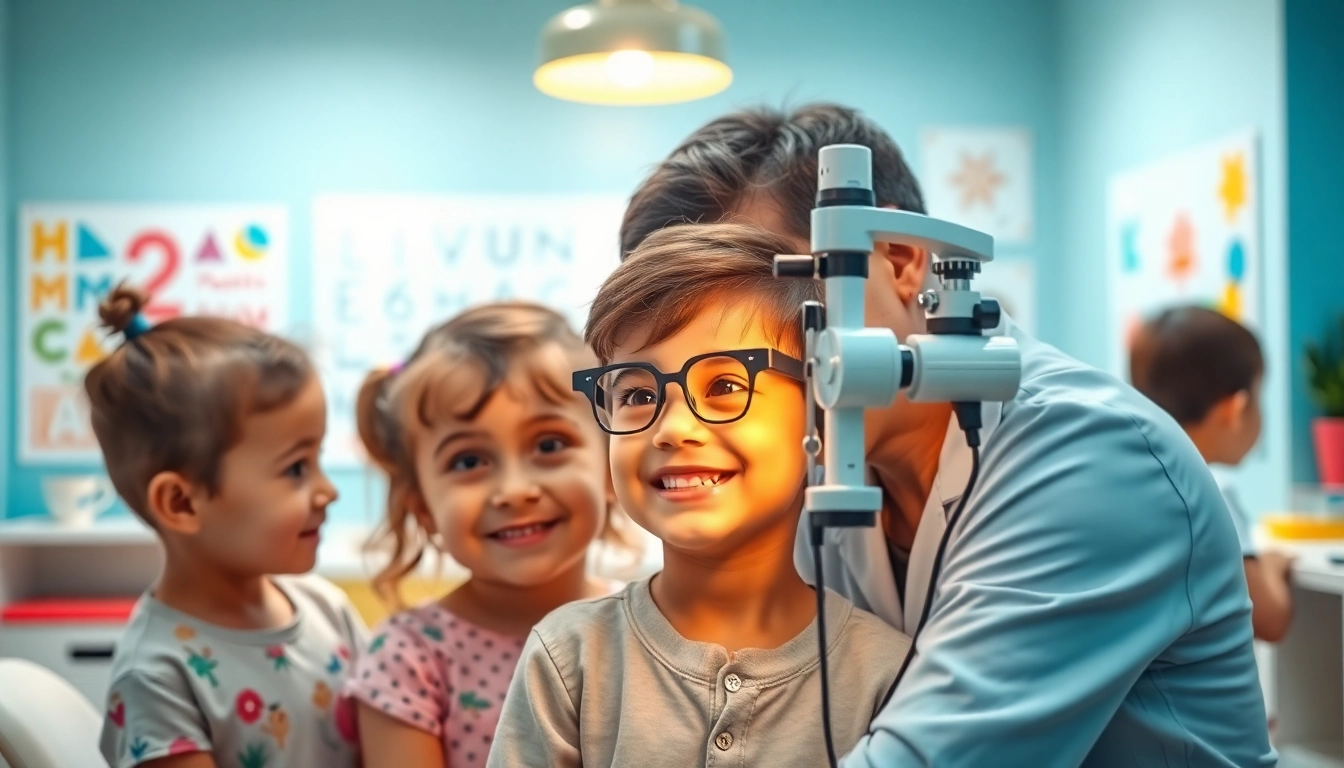
Understanding the Importance of Our Children's Vision
The significance of vision in childhood cannot be overstated. With the rapid development that takes place during these early years, the ability to see clearly is essential for children’s overall growth and learning. According to various studies, vision profoundly impacts a child's educational performance, social interactions, and emotional well-being. Access to proper eye care is crucial for ensuring that children can thrive in all aspects of their lives. Organizations like Our Children's Vision are working tirelessly to bridge the gap in eye care accessibility for children around the world.
The Role of Vision in Child Development
A child’s ability to see effectively plays a vital role in their cognitive and physical development. From learning to read to participating in sports, clear vision is foundational for success in school and life. Many skills, such as hand-eye coordination, spatial awareness, and visual processing, are developed through activities that require good vision. For instance, children learn to interact with their environment by recognizing shapes, colors, and distances, which is crucial for motor skills development.
Statistics on Childhood Vision Impairment
Statistics reveal alarming truths about childhood vision impairment. Roughly 1 in 4 children in the United States has some form of vision problem, and many remain undiagnosed until later stages in life. Conditions like myopia (nearsightedness) and hyperopia (farsightedness) are becoming increasingly common as screened populations show a higher prevalence of these issues. Furthermore, it is estimated that over 50 million children globally do not have access to basic eye care services, exacerbating the issue of unaddressed vision problems.
Long-term Impacts of Poor Vision in Children
The long-term implications of poor vision can be profound. Children who did not receive timely eye care often face educational challenges and diminished career prospects later in life. Research indicates a correlation between untreated vision problems and lower academic performance, leading to long-term issues such as self-esteem problems and social isolation. This underscores the urgent need to prioritize vision health from a young age.
Common Vision Problems in Children
Myopia and Hyperopia: What Parents Need to Know
Myopia and hyperopia are among the most common vision problems that affect children. Myopia occurs when distant objects appear blurry, a condition increasingly prevalent due to screen time and reduced outdoor activities. Conversely, hyperopia leads to difficulty focusing on close objects. Both conditions can hinder a child's learning experience, making it essential for parents to be aware of their implications.
Signs Your Child May Need Eye Care
Identifying the need for eye care can sometimes be challenging for parents. However, there are several signs that may indicate your child requires a vision examination. These include:
- Squinting or straining to see
- Frequent headaches or eye fatigue
- Avoiding activities that require distance vision
- Difficulty reading or focusing on text
- Oversensitivity to light
If your child exhibits any of these symptoms, scheduling an eye examination with a qualified optometrist is essential.
Preventative Measures for Healthy Vision
Preventative care is vital for maintaining healthy vision. Regular eye exams are recommended at various developmental stages, starting as early as six months. Keeping indoor lights bright, limiting screen time, and encouraging outdoor play can also significantly contribute to eye health. Additionally, ensuring that children wear protective eyewear during sports or activities can prevent injuries.
Accessing Eye Care Services for Our Children's Vision
Finding Local Eye Care Providers
Finding a local eye care provider is the first step in ensuring your child's vision health. Parents can explore options through schools, community health centers, or databases managed by national eye health organizations. Many of these entities offer resources to connect families with eye care professionals in their area, ensuring that comprehensive eye screenings are accessible to all children.
Understanding Insurance and Financial Assistance Options
Understanding how to navigate insurance and financial assistance for eye care is crucial for many families. Some health insurance plans cover eye examinations and necessary treatments, while various state and local programs offer support for uninsured or underinsured families. It's important for parents to explore these options and understand the benefits provided by Medicaid, CHIP, or other local initiatives.
Community Resources for Vision Health
Numerous community resources are available to support children's vision health. Schools often provide vision screenings or collaborate with local eye health organizations to facilitate access to services. Additionally, non-profit organizations often run initiatives aimed at providing free or low-cost eye exams and glasses to children in need. Engaging with such community resources can significantly impact children's visual health outcomes.
Advocating for Our Children's Vision
Importance of Awareness and Education
Raising awareness about the importance of eye health for children is vital. Parents, educators, and community leaders must understand that vision affects learning and quality of life. Educational campaigns can provide valuable information about the signs of vision problems and the need for regular checkups, empowering families to take action.
Engaging in Community Initiatives
Community initiatives play a crucial role in enhancing accessibility to eye care services. Participating in or organizing local events, such as health fairs or educational workshops, can help promote eye care awareness. Community involvement not only raises awareness but also fosters partnerships that can lead to better resources and support for children's eyesight.
Partnering with Local Organizations for Eye Health
Building partnerships with local organizations is an effective strategy for advocating for children's vision health. Schools, health departments, and non-profits can collaborate to create eye care programs that serve at-risk populations. Such partnerships can help streamline access to services and promote holistic approaches to health and learning.
Looking Ahead: The Future of Our Children's Vision
Technological Advancements in Eye Care
Technological advancements are revolutionizing eye care, offering new opportunities to improve children's vision health. Innovations such as telehealth have made eye examinations more accessible, particularly in rural or underserved areas. New treatment options, including myopia control therapies, provide parents with effective strategies to manage common vision challenges.
The Role of Government and Policy in Eye Health
Government policies play an essential role in shaping the landscape of eye care for children. Policymakers must prioritize funding for programs that provide comprehensive eye care services in schools and communities. Advocating for legislative measures that support children’s eye health will ensure that more children receive the care they deserve.
Building a Culture of Preventative Eye Care
Building a culture of preventative eye care requires the concerted efforts of families, healthcare providers, and community organizations. Promoting regular eye checkups, emphasizing the importance of school-based screenings, and utilizing community health resources can foster an environment where vision care is prioritized. In doing so, families can collectively work towards ensuring that Our Children's Vision is clear and healthy for generations to come.