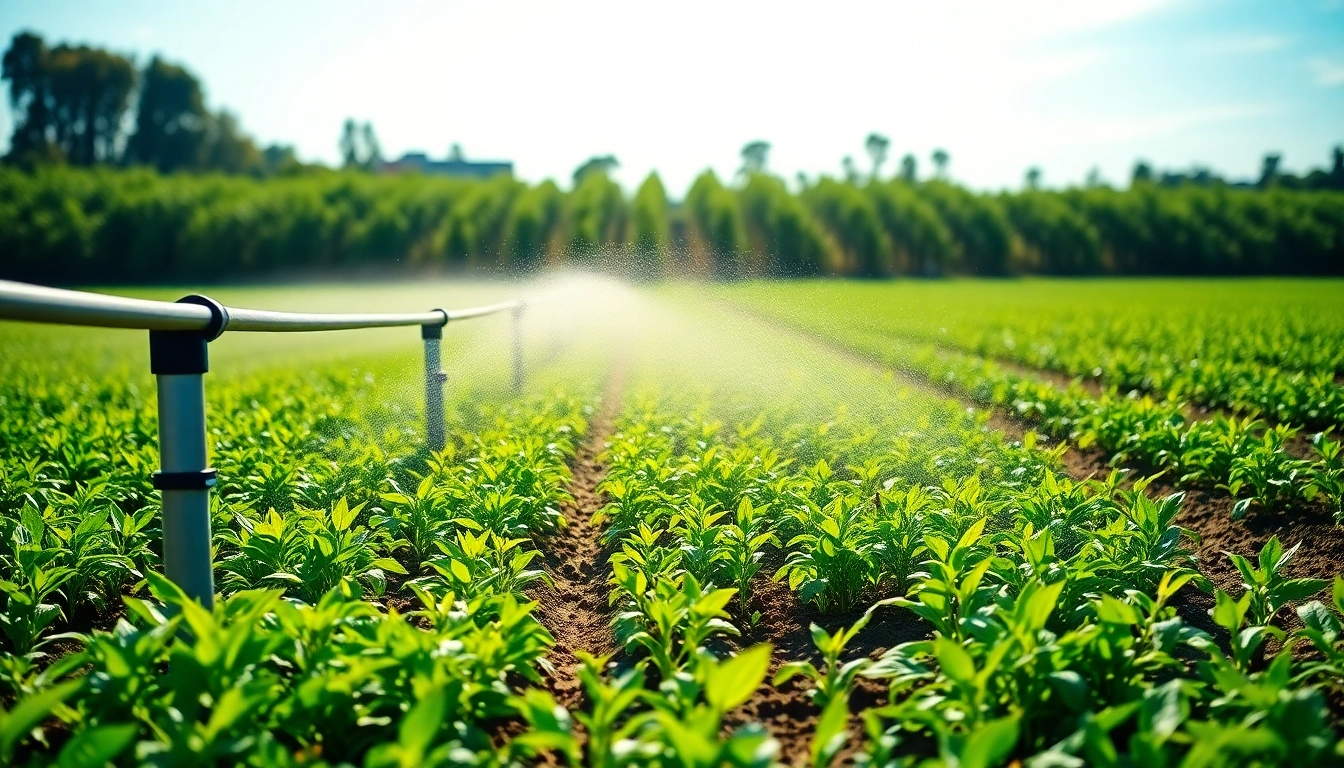
Understanding Land Irrigation Basics
Definition and Importance of Land Irrigation
Land irrigation is the artificial application of water to soil to assist in the growing of crops. By utilizing various systems, farmers can effectively manage water supplies to ensure their crops receive the necessary hydration. The importance of land irrigation cannot be overstated; it not only enhances agricultural productivity but also contributes to food security, sustainability, and environmental well-being. In regions with limited rainfall, effective irrigation can mean the difference between a bumper harvest and crop failure.
Types of Land Irrigation Systems
Several irrigation systems are employed across the globe, each with distinct methods and advantages:
- Surface Irrigation: Water flows over the soil surface and is absorbed by plants. It is simple and cost-effective yet requires substantial water management.
- Drip Irrigation: A highly efficient system that delivers water directly to the plant's root zone through a network of tubing and emitters. This minimizes evaporation and runoff.
- Sprinkler Irrigation: Mimics natural rainfall by spraying water over crops. It is versatile but can be less water-efficient than drip systems.
- Subsurface Irrigation: Involves placing water delivery systems below the soil surface. It helps save water and reduces runoff but requires careful management and installation.
Key Benefits of Land Irrigation
Implementing effective land irrigation brings about numerous benefits, including:
- Increased Crop Yields: By ensuring plants receive optimal water levels, irrigation helps maximize productivity.
- Sustained Crop Growth: Irrigation allows for crop cultivation in arid areas, promoting food production.
- Soil Fertility: Proper irrigation systems can facilitate nutrient absorption and improve soil quality over time.
- Water Resource Management: Sustainable irrigation practices help conserve water by optimizing its use.
Common Challenges in Land Irrigation
Water Scarcity Issues
One of the most pressing challenges facing land irrigation today is water scarcity. With growing populations and increasing demand for water, competition arises among agricultural, industrial, and residential users. This scarcity necessitates the development and deployment of more water-efficient systems and sustainable practices to conserve this vital resource.
Soil Type and Quality Management
The effectiveness of an irrigation system is heavily influenced by soil type and quality. Different soils have varying responses to water, with sandy soils draining quickly and clay soils holding moisture longer. Understanding these dynamics is essential for farmers to manage their irrigation practices effectively. Regular soil testing and amendment practices can help improve soil fertility and structure.
System Maintenance and Upkeep
All irrigation systems require regular maintenance to function optimally. Common issues include clogged filters, damaged pipes, and malfunctioning emitters. Farmers often need to invest time and resources in preventive maintenance to ensure long-term performance and reliability of their irrigation systems.
Best Practices for Successful Land Irrigation
Selecting the Right Irrigation Method
Choosing the appropriate irrigation method for specific crops and local environmental conditions is vital. Factors to consider include soil type, crop requirements, climate, and water availability. For instance, drip irrigation may be ideal for high-value crops, while surface irrigation might be more economical for low-cost grains.
Utilizing Technology for Efficient Irrigation
Emerging technologies play a crucial role in enhancing irrigation efficiency. Automated systems equipped with sensors can monitor soil moisture levels and weather conditions, providing real-time data to optimize irrigation schedules. Implementing such technologies can lead to significant water savings and improved crop yields.
Timely Monitoring and Adjustments
Ongoing monitoring of both crop and soil moisture levels enables farmers to make timely adjustments to their irrigation practices. Utilizing tools like moisture meters and visual inspection can help detect issues early, allowing for efficient water management and enhanced crop health.
Innovative Technologies in Land Irrigation
Smart Irrigation Systems Overview
Smart irrigation systems utilize advanced technologies such as IoT (Internet of Things) devices and AI (Artificial Intelligence) to automate the irrigation process. These systems gather data on soil moisture levels, atmospheric conditions, and plant needs, adjusting water delivery in real-time to maximize resource efficiency and minimize waste.
Data-Driven Water Management
Data-driven approaches to water management can significantly enhance irrigation efficiency. By analyzing historical data and current field conditions, farmers can make informed decisions regarding irrigation schedules and techniques. Adoption of geospatial technologies and remote sensing tools provides deeper insights into soil and crop conditions, leading to improved management practices.
Future Trends in Land Irrigation Technology
The future of land irrigation technology will likely feature even more automation and integration with data analytics. Innovations such as drone-assisted irrigation assessments, AI-based predictive modeling, and smart water management platforms will empower farmers to use resources more responsibly and increase efficiency, paving the way for a sustainable agricultural future.
Measuring the Effectiveness of Land Irrigation
Key Performance Indicators for Irrigation
To assess the effectiveness of land irrigation systems, various key performance indicators (KPIs) must be considered. These include water use efficiency, crop yield per acre, irrigation cost per unit of output, and soil moisture levels. Tracking these metrics can help identify areas for improvement and optimize system performance.
Surveys and Crop Yield Analysis
Conducting surveys and analyzing crop yields post-implementation of irrigation systems can provide valuable insights into their effectiveness. Correlating crop performance with irrigation practices helps validate the system's efficiency and fosters data-driven adjustments for future cropping cycles.
Evaluating Environmental Impact
Assessing the environmental impact of land irrigation practices is essential to ensure sustainability. This involves monitoring water runoff, soil erosion, and the overall health of surrounding ecosystems. Utilizing sustainable practices and technologies can mitigate negative effects and promote responsible stewardship of natural resources.
Frequently Asked Questions
What is land irrigation?
Land irrigation refers to the artificial application of water to soil for crop cultivation and is crucial for maximizing agricultural productivity.
What are the major types of land irrigation systems?
The main types of irrigation systems include surface, drip, sprinkler, and subsurface irrigation, each with unique methods and advantages.
How does irrigation impact crop yield?
Proper irrigation practices ensure crops receive adequate water, which can significantly boost yield and improve overall crop quality.
What challenges arise with land irrigation?
Common challenges include water scarcity, soil type management, and the need for ongoing system maintenance to ensure effectiveness.
How can technology improve irrigation practices?
Technologies like smart irrigation systems, sensors, and data analytics enhance efficiency, allowing for better resource management and crop health monitoring.