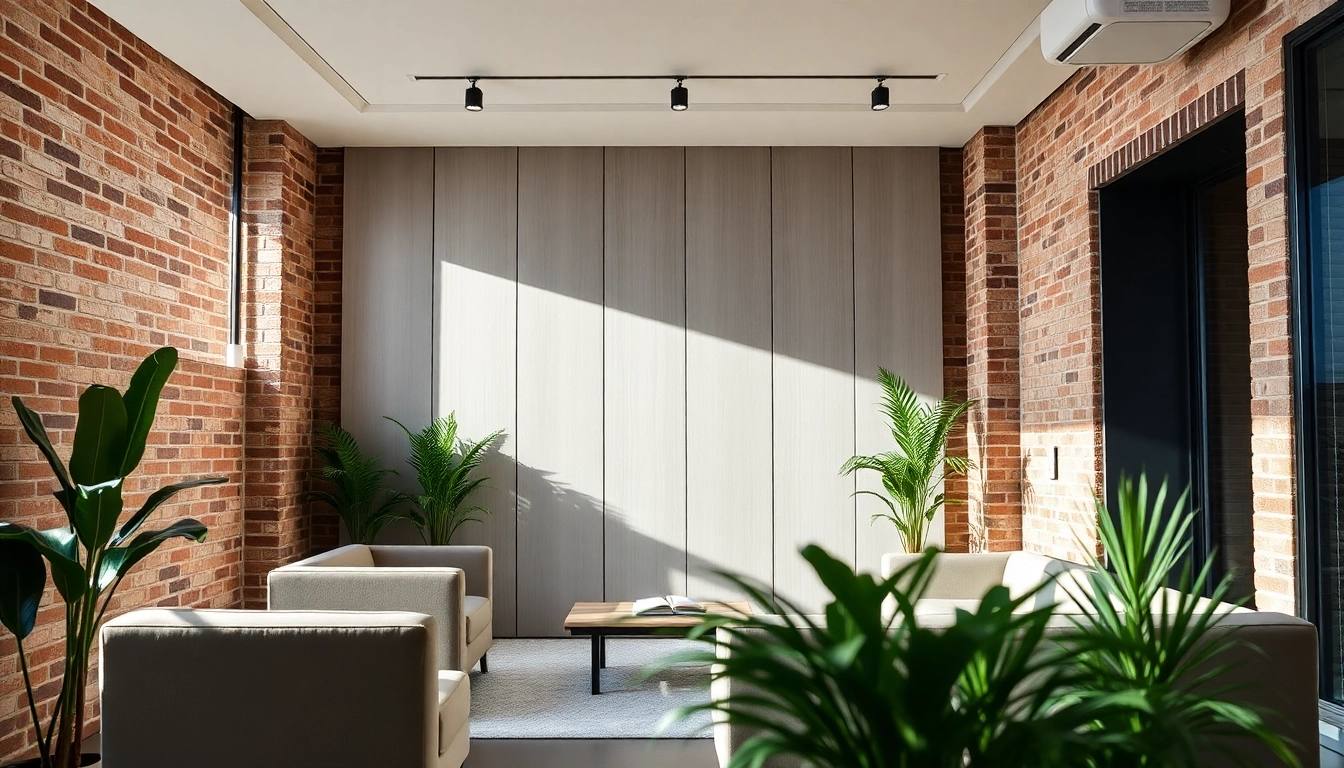
Understanding Composite Wall Panels
What are Composite Wall Panels?
Composite Wall Panels are engineered building materials that combine multiple components to achieve superior performance and aesthetics. Typically made of a synthetic blend, these panels may consist of materials such as wood fibers, recycled plastics, and various other resins. Their unique structure allows them to mimic the appearance of natural elements, providing the beauty of wood or stone without the associated maintenance. By providing durability and adaptability, Composite Wall Panels have significantly transformed modern construction approaches.
Benefits of Using Composite Wall Panels
Composite Wall Panels offer a multitude of advantages, making them a preferred choice among architects and builders alike:
- Durability: They resist weather conditions, UV rays, and pests, extending their lifespan considerably.
- Aesthetic Appeal: Available in a variety of designs, textures, and colors, these panels can enhance the visual charm of any space.
- Lightweight: Composite materials are much lighter than traditional materials like stone and brick, making them easier to handle and install.
- Low Maintenance: Unlike natural materials that may require regular sealing or treatment, composite panels need minimal upkeep.
- Environmental Benefits: With the integration of recycled materials, they are often considered a more eco-friendly building option.
Types of Composite Wall Panels
Composite Wall Panels can be classified into several categories based on their composition and application. Understanding the types can help you choose the right panel for your project needs:
- Metal Composite Panels (MCP): Known for their strength and rigidity, these panels are often used in commercial buildings for facades and architectural cladding.
- Wood-Plastic Composites (WPC): These combine natural wood fibers with plastic, making them an excellent choice for exterior applications like decking and fencing.
- High-Pressure Laminate (HPL) Panels: These panels are durable and often used in interior applications due to their rich finishes and resistance to scratching.
- Fiberglass Reinforced Panels (FRP): Known for their chemical resistance and durability, these are often used in industrial and high-moisture environments.
Applications of Composite Wall Panels
Residential Uses
In residential settings, Composite Wall Panels can enhance both the exterior and interior aesthetics of homes. They are used for:
- Siding: Offering protection from the elements and giving a modern look.
- Accents: Adding visual interest to specific areas such as gables or porch walls.
- Interior Wall Covering: Providing style while benefiting from easy cleaning and maintenance.
Commercial Projects
Commercial buildings benefit significantly from the use of Composite Wall Panels. Their applications include:
- Facade Cladding: With a wide variety of finishes, these panels can give any commercial structure a contemporary appearance.
- Signage: Providing a durable base for company branding and outdoor signage, ensuring visibility and engagement.
- Partitions: Ideal for interior spaces, where aesthetics and functionality must meet.
Interior Design Implementations
In interior design, Composite Wall Panels present unique opportunities to create engaging environments:
- Feature Walls: Panels can create eye-catching designs that serve as focal points.
- Acoustic Panels: Certain composites can help manage sound within large spaces.
- Textured Finishes: Techniques can replicate stone, wood, or other textures, enhancing the design.
Installation Process for Composite Wall Panels
Preparation and Planning
Before installation, careful planning is crucial. Start by measuring the area where the panels will be applied, ensuring to account for windows, doors, and other architectural features. Create a layout plan including panel orientation, alignment, and any necessary cutting adjustments. Reviewing local building codes and regulations will ensure compliance during installation.
Tools and Materials Required
You will need the following tools and materials to install Composite Wall Panels effectively:
- Tools: Level, measuring tape, saw (circular or jigsaw), drill, and safety gear.
- Materials: Composite panels, adhesive or screws, sealant for joints, and foam backing (if required).
Step-by-Step Installation Guide
The installation process for Composite Wall Panels can be summarized in the following steps:
- Prepare the Surface: Ensure the wall surface is clean, dry, and appropriately prepped for panel application.
- Cut Panels: Based on your measurements, cut the panels to fit the predetermined sections.
- Apply Adhesive or Screws: Depending on panel types, apply adhesive or secure each panel using screws for a robust installation.
- Align and Level: Start from one end and work your way to the other, ensuring each panel is level and aligned correctly.
- Seal Joints: Use sealant to cover joints between panels to enhance water resistance.
Maintenance and Care
Cleaning Composite Wall Panels
Regular cleaning will help maintain the visual appeal and longevity of composite panels. Use mild soap and water, along with a soft cloth or sponge, to remove dirt and stains. Avoid harsh chemicals that may damage the surface finish.
Protecting Your Investment
To protect your Composite Wall Panels:
- Trim vegetation to prevent abrasion and moisture retention.
- Inspect panels regularly for signs of wear or damage.
- Reapply sealant as recommended to maintain waterproofing and aesthetics.
Common Issues and Solutions
Some common issues with Composite Wall Panels include:
- Fading: Use a UV-resistant coating to mitigate this.
- Cracks: Repair minor cracks using appropriate fillers and paints.
- Water intrusions: Ensure seams are sealed correctly and apply regular maintenance checks.
FAQs About Composite Wall Panels
Are Composite Wall Panels Eco-Friendly?
Yes, many composite wall panels are made from recycled materials, reducing waste and promoting sustainability while providing long-lasting performance.
How Long Do Composite Wall Panels Last?
Composite wall panels can last 20-30 years or more, depending on the quality of materials, installation, and maintenance practices.
Can Composite Wall Panels be Used Outdoors?
Absolutely, many composite wall panels are specifically designed for outdoor use, offering durability against weather elements and UV rays.
What is the Cost of Composite Wall Panels?
The cost can vary significantly based on type, brand, and installation requirements. Generally, they offer a budget-friendly option compared to natural materials.
How to Choose the Right Composite Wall Panels for My Project?
Consider factors such as environmental conditions, desired aesthetics, and specific applications to choose panels that best suit your project needs.