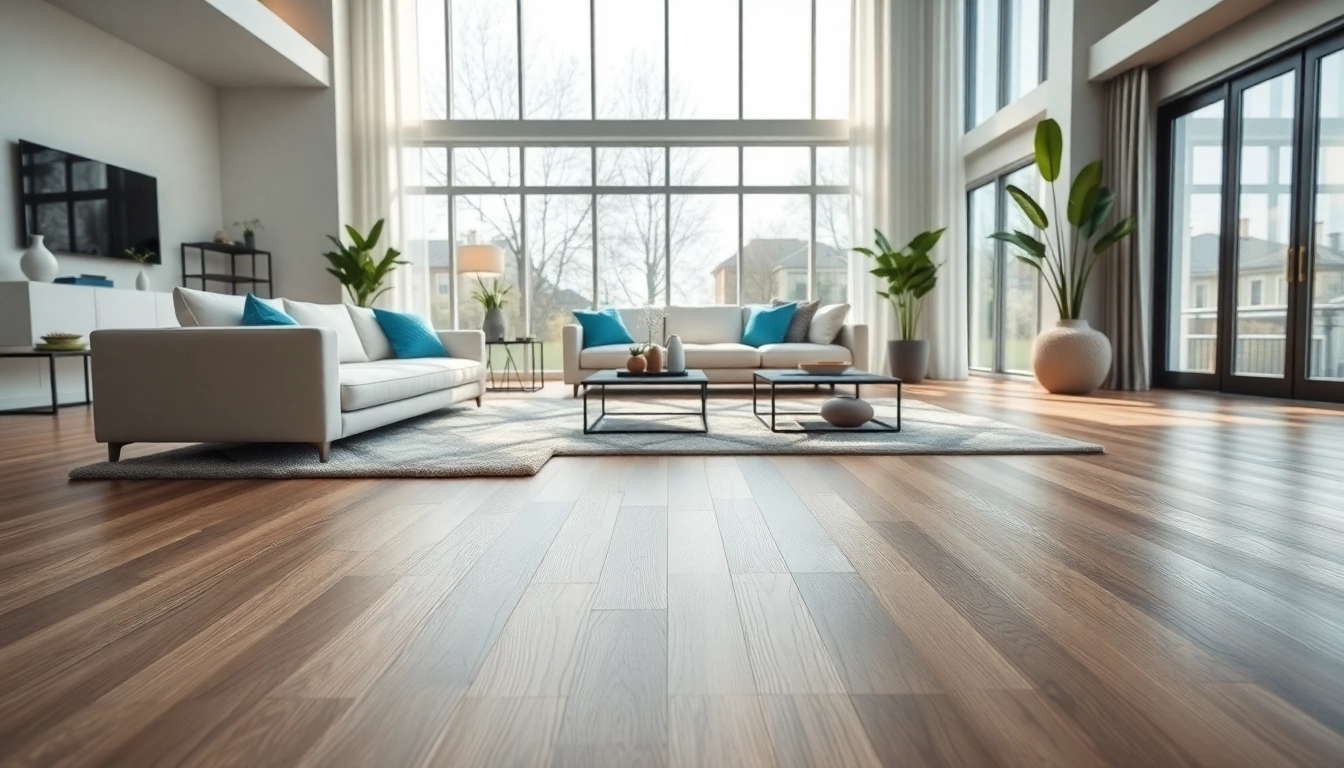
Understanding Vinyl Flooring
What is Vinyl Flooring?
Vinyl flooring is a synthetic flooring material made from polyvinyl chloride (PVC) resin and other components. It offers a versatile and budget-friendly option for homeowners looking to enhance their interiors without sacrificing style or performance. Available in a wide range of designs, colors, and textures, vinyl flooring can effectively mimic the appearance of natural materials like hardwood, stone, or tile, while providing additional benefits such as water resistance and durability. As a popular choice for both residential and commercial applications, vinyl flooring has gained traction for its practicality and aesthetic appeal.
Types of Vinyl Flooring Available
There are three primary types of vinyl flooring, each offering distinct features and benefits:
- Sheet Vinyl: This type comes in large, continuous sheets that can be rolled out and cut to fit the space. It's ideal for areas with minimal seams, as it helps to prevent moisture seepage and is easy to clean.
- Vinyl Plank Flooring: Designed to mimic the look of hardwood, vinyl plank flooring consists of individual planks that interlock. This type provides a rich texture and visual appeal, making it suitable for various spaces.
- Vinyl Tile Flooring: Mimicking ceramic or stone tiles, vinyl tiles are square-shaped planks that can be arranged in numerous patterns. This versatility allows for creative designs and aesthetic customization to suit personal tastes.
Advantages of Vinyl Flooring
Vinyl flooring boasts numerous advantages that make it a popular choice among homeowners and designers alike:
- Affordability: Vinyl flooring typically costs less than hardwood and stone options, making it a cost-effective flooring solution.
- Water Resistance: Most vinyl flooring options are water-resistant or waterproof, making them perfect for kitchens, bathrooms, and other moisture-prone areas.
- Durability: Vinyl flooring can withstand heavy foot traffic, scratches, and dents, making it suitable for homes with pets and children.
- Easy Maintenance: With simple sweeping, mopping, and occasional refinishing, vinyl flooring requires minimal upkeep compared to natural materials.
- Comfort: Vinyl flooring provides a softer surface underfoot, adding comfort for those who spend extended periods standing.
Installation Guide for Vinyl Flooring
Preparation Steps
Proper preparation is crucial for a successful vinyl flooring installation. Follow these steps to ensure your space is ready:
- Clear the Area: Remove all furniture and fixtures from the space where you plan to install the vinyl flooring.
- Clean the Subfloor: Sweep and mop the subfloor thoroughly. A clean surface ensures proper adhesion and prevents bumps in the finished floor.
- Check for Levelness: Inspect the subfloor for any uneven spots. Fill in dips and level high spots to create a flat surface.
- Acclimate the Flooring: Allow your vinyl flooring to acclimate by placing it in the installation area for at least 48 hours, reducing the risk of expansion or contraction post-installation.
DIY Installation vs. Professional Help
While many homeowners choose to install vinyl flooring themselves, it may be beneficial to hire a professional. Consider the following factors:
- DIY Installation: This can be a rewarding and cost-saving option for those with basic handyman skills. Many vinyl products feature interlocking designs or adhesive backing, making installation easier.
- Professional Installation: Hiring a professional ensures a high-quality finish and may be beneficial for complex layouts or uneven subfloors that require advanced techniques.
Tools and Materials Needed
If you decide to undertake a DIY installation, gather the following tools and materials:
- Utility knife
- Measuring tape
- Ruler or straight edge
- Adhesive (if required)
- Roller for pressing down the flooring
- Jigsaw (for curved cuts)
Maintenance Tips for Vinyl Flooring
Cleaning Best Practices
Maintaining the elegance of your vinyl flooring requires regular cleaning. Here are some best practices:
- Regular Sweeping: Use a soft broom or vacuum without a beater bar to remove dirt and debris.
- Mopping: Use a damp mop with a mild, pH-neutral cleaner specifically designed for vinyl flooring. Avoid abrasive soaps or cleaners.
- Spot Cleaning: Use a mixture of warm water and mild dish soap to clean spills and stains promptly.
Preventing Damage
To prolong the life of your vinyl flooring, consider implementing these preventative measures:
- Use Furniture Pads: Place felt pads under furniture legs to prevent scratches and dents.
- Avoid Harsh Chemicals: Stay clear of bleach, ammonia, and other harsh chemicals that can damage the flooring.
- Restrict Water Exposure: While many vinyl flooring types are water-resistant, excessive water exposure can eventually seep through seams, so avoid mopping with soaking wet mops.
Long-term Care Recommendations
For the longevity of vinyl flooring, consider the following care recommendations:
- Refinishing: Depending on the wear layer thickness, you might consider refinishing or applying a new coating after several years.
- Plank Replacement: In case of severe scratches or damage, consider replacing individual planks or tiles instead of the entire floor.
- Inspect Regularly: Check for any signs of wear or damage periodically, allowing for timely repairs and maintenance.
Design Ideas Using Vinyl Flooring
Incorporating Color and Style
Vinyl flooring offers a diverse range of colors and styles, allowing you to create a unique ambiance in your home. Consider these ideas:
- Bold Colors: Use vinyl flooring in vibrant hues to make a statement, especially in playful spaces like children's rooms.
- Neutral Tones: Select soft, neutral shades for an elegant and timeless appeal that complements various decor styles.
- Natural Looks: Opt for designs that mimic the appearance of natural wood or stone for a high-end finish on a budget.
Patterns and Layouts
The layout of vinyl flooring can dramatically affect the overall look of a space. Here are some patterns to consider:
- Diagonal Layouts: Laying tiles or planks diagonally can create the illusion of a larger area.
- Herringbone Pattern: This classic design adds sophistication and drama, especially in larger rooms.
- Mixing Textures: Combine different styles of vinyl flooring in adjoining areas for a seamless transition between spaces.
Combining with Other Flooring Types
Vinyl flooring can be creatively combined with other flooring types to enhance overall interior design:
- Wood and Vinyl: Pairing hardwood with vinyl in a contrasting design creates a unique feature in open spaces.
- Tile and Vinyl: Use vinyl planks in high-traffic areas and transition into vinyl tiles in bathrooms for a cohesive yet functional design.
- Mixed Rooms: Differentiate rooms by using vinyl flooring with distinct patterns while maintaining a cohesive color palette throughout the home.
FAQs About Vinyl Flooring
How durable is vinyl flooring?
Vinyl flooring is highly durable and can withstand heavy foot traffic, making it suitable for homes with active lifestyles. Its resilience against scratches and stains further enhances its longevity.
Can vinyl flooring be installed in bathrooms?
Yes, vinyl flooring is an excellent choice for bathrooms due to its water-resistant qualities. However, ensure proper sealing at seams to prevent water infiltration.
Is vinyl flooring eco-friendly?
Many modern vinyl flooring options are made with eco-friendly materials and practices. Look for products with low VOC emissions to ensure a healthier indoor environment.
How do I remove scratches from vinyl flooring?
For minor scratches, use a non-abrasive cleaner and soft cloth. Deeper scratches may require color-matching wax or a specialized vinyl repair kit to restore the finish.
What is the average cost of installing vinyl flooring?
The average installation cost for vinyl flooring typically ranges from $2 to $5 per square foot, depending on the type of vinyl and installation complexity. Always request quotes from multiple providers.