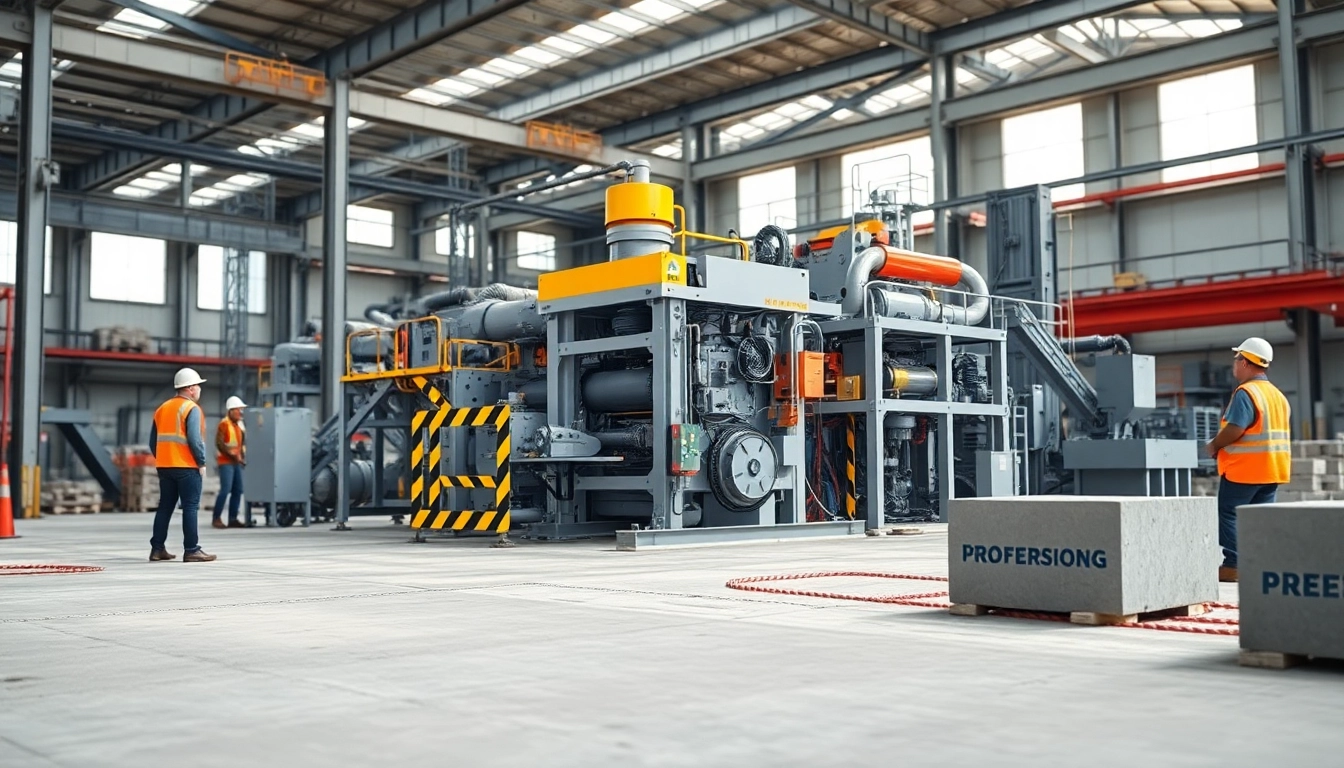
Understanding the Importance of Construction Safety Training
Why Construction Safety Training Matters
Construction sites are among the most hazardous work environments, with employees exposed to numerous risks every day. Implementing effective construction safety training not only mitigates these risks but also fosters a culture of safety and care among workers. Safety training is essential not only for compliance with regulations but also for protecting the health and wellbeing of all site personnel. When workers are knowledgeable about potential hazards, they are better equipped to make safe choices, thereby reducing the likelihood of accidents.
Common Risks in Construction Environments
The construction industry is fraught with various risks, which can lead to severe injuries or even fatalities. Some of the most common risks include:
- Falls: One of the leading causes of death in construction, falls can occur from heights or due to unsafe surfaces.
- Being Struck by Objects: Tools, materials, or machinery can fall and injure workers on the ground.
- Electrocution: Contact with live wires or faulty equipment can lead to serious electric shocks.
- Caught-in/between Hazards: Workers can be caught in machinery or between heavy objects, posing a significant risk.
- Exposure to Harmful Substances: Construction workers may come into contact with hazardous materials and chemicals that can harm their health.
Recognizing and understanding these risks is the first step towards effective prevention and safety training. This highlights the necessity of integrating safety training into every phase of construction projects.
Legal Requirements and Compliance
Construction safety training is not just a best practice; it is often a legal requirement. Various regulatory bodies, such as the Occupational Safety and Health Administration (OSHA) in the U.S., set forth guidelines that dictate minimum training requirements for construction sites. Non-compliance can result in hefty fines and legal ramifications for companies. Understanding these legal requirements is crucial for ensuring that training programs are comprehensive and align with regulatory standards while also creating a safer working environment.
Key Components of Effective Construction Safety Training
Training Methods and Strategies
Effective construction safety training employs diverse methods to accommodate different learning styles among employees. These methods include:
- Hands-on Training: Practical demonstrations and simulations help workers experience real-world applications of safety protocols.
- Classroom Learning: Providing theoretical knowledge about safety regulations, hazard identification, and emergency procedures.
- Online Courses: Flexible learning options allow workers to complete training at their own pace, often suitable for larger teams or remote workers.
- Peer-to-Peer Learning: Encouraging experienced workers to share knowledge with newcomers, fostering a supportive training environment.
Combining these training methods ensures a well-rounded approach and helps maintain engagement and retention of critical safety information.
Essential Safety Protocols and Best Practices
To ensure a safe construction environment, various protocols and best practices must be established, including:
- Personal Protective Equipment (PPE): Mandating the use of helmets, gloves, high-visibility clothing, and other protective gear.
- Regular Safety Meetings: Holding daily or weekly safety briefings to discuss ongoing tasks and potential hazards.
- Emergency Preparedness Plans: Developing and communicating clear procedures to follow in case of an emergency.
- Site Inspections: Conducting frequent inspections to identify and rectify safety hazards promptly.
- Reporting Protocols: Establishing a system for workers to report hazards or unsafe conditions without fear of reprisal.
Implementing these protocols effectively not only promotes a safer working environment but also enhances overall productivity.
Evaluation and Continuous Improvement
Measuring the effectiveness of safety training programs is essential for their ongoing improvement. This can be done via:
- Feedback Surveys: Collecting input from workers about their training experience and understanding of safety practices.
- Accident Reports: Analyzing incidents to identify trends and areas where training can be improved.
- Observational Assessments: Supervisors can monitor adherence to safety protocols and identify gaps in training.
- Regular Review of Training Content: Ensuring that the information provided in training sessions remains current and relevant.
By embracing an ethos of continuous improvement, organizations can ensure their training programs remain effective and alignment with best practices.
Tailoring Training Programs to Specific Projects
Identifying Project-Specific Hazards
Each construction project presents unique hazards influenced by factors such as location, type of construction, and environmental conditions. Conducting site-specific risk assessments allows teams to:
- Identify potential hazards specific to the project.
- Understand the implications of those hazards on worker safety.
- Generate targeted training modules that address these specific risks.
By customizing training in this manner, workers are better prepared to confront the distinct challenges presented by each project.
Customizing Training for a Diverse Workforce
Construction sites may employ a diverse workforce with varying levels of experience and cultural backgrounds. Training programs should consider:
- Language Barriers: Providing training materials in multiple languages and employing interpreters when necessary.
- Varying Skill Levels: Offering tiered training courses to ensure that both new hires and seasoned workers receive appropriate education.
- Cultural Sensitivity: Including training that accounts for diverse cultural norms and practices related to safety.
By accommodating the unique needs of the workforce, organizations can ensure that all workers receive the essential education and training required to maintain safety.
Flexibility in Training Delivery Methods
Adopting a flexible approach to training delivery can significantly enhance participation and engagement. This includes:
- Hybrid Training Models: Combining in-person and online training to cater to preferences and logistics.
- On-the-Job Training: Providing immediate, job-specific training as new tasks arise on-site.
- Regular Refresher Courses: Ensuring that training is not a one-off event but rather part of a continuous learning journey.
Flexibility in training delivery can lead to higher retention rates and greater trust in safety procedures among workers.
Utilizing Technology in Construction Safety Training
Incorporating Virtual Reality and Simulation
The advent of technology has transformed many industries, including construction safety training. Virtual reality (VR) offers an immersive learning experience where workers can practice safety procedures in a safe, simulated environment. Benefits include:
- Realistic Training Scenarios: Workers can experience hazardous situations virtually without the risks involved.
- Enhanced Engagement: Immersive experiences are more engaging than traditional training methods, improving information retention.
- Adaptability: VR scenarios can be tailored to specific project hazards and conditions.
As technology evolves, integrating more sophisticated tools into safety training allows for better preparedness among workers.
Mobile Apps for On-the-Go Training
Mobile technology plays a pivotal role in modern construction safety training. Mobile apps enable workers to access training materials and resources anytime, anywhere. Key benefits include:
- Quick Access to Information: Workers can look up safety protocols or training reminders on their mobile devices between tasks.
- On-Demand Learning: Enables just-in-time training, giving workers access to critical information as they need it.
- Increased Engagement: Gamification features can introduce an interactive aspect to training, keeping workers motivated.
The use of mobile technology ensures quick communication and training reinforcement, enhancing the overall safety environment.
Tracking Training Progress with Software Tools
Data analytics tools can provide insights into the effectiveness of training programs. Comprehensive software can help track parameters like:
- Completion Rates: Monitoring which employees have completed training modules and identifying those who require additional support.
- Assessment Scores: Evaluating knowledge retention through quizzes and assessments following training sessions.
- Incident Reports: Correlating training attendance with workplace incidents to assess the effectiveness of specific training interventions.
Utilizing these tools allows organizations to make data-driven decisions regarding the improvement of training programs.
Evaluating the Effectiveness of Construction Safety Training
Key Performance Indicators to Measure Success
To truly assess the effectiveness of construction safety training, organizations should establish key performance indicators (KPIs) such as:
- Incident Rate: Tracking the number of accidents or near-misses before and after training implementation.
- Employee Retention Rates: Measuring retention of workers who underwent training as this can indicate workplace satisfaction and safety culture.
- Compliance Rates: Assessing adherence to legal standards and safety regulations post-training.
Analyzing these KPIs can provide organizations with a clearer picture of how effectively their safety training is performing in real-world scenarios.
Employee Feedback and Engagement Metrics
Direct feedback from employees can offer valuable insights into the effectiveness of safety training. Assessing metrics such as:
- Satisfaction Surveys: Employees can rate their training experiences, which can be quickly acted upon for improvements.
- Engagement Levels: Monitoring levels of participation during trainings can highlight areas for enhancement.
- Follow-Up Discussions: Conducting group discussions post-training to gauge the general attitude toward safety protocols.
Employee feedback forms essential data that can help improve the overall effectiveness of training programs.
Continuous Adaptation to Industry Standards
The construction industry is constantly evolving, and so should safety training programs. Ongoing adaptation can involve:
- Regularly Scheduled Updates: Incorporating the latest safety practices and innovations into training content.
- Benchmarking Against Industry Standards: Comparing training methods and outcomes against industry leaders to ensure best practices are followed.
- Networking with Professionals: Staying connected with industry experts and trainers to gather insights on emerging safety trends.
By continuously adapting training programs, organizations can ensure they meet the highest standards of safety and compliance.
Frequently Asked Questions
What topics are covered in construction safety training?
Construction safety training covers hazards identification, PPE usage, emergency procedures, and safety regulations, ensuring workers are well-prepared.
How often should construction safety training be conducted?
It is recommended to conduct construction safety training annually and offer refreshers whenever new equipment or procedures are introduced.
Who should participate in construction safety training?
All personnel on the construction site, including laborers, management, and supervisors, should participate in safety training to foster a comprehensive safety culture.
Are there certifications available for construction safety training?
Yes, numerous organizations provide certifications for different levels of construction safety training, enhancing worker qualifications and employer credibility.
What are the benefits of effective construction safety training?
Effective construction safety training reduces accidents, ensures regulatory compliance, boosts employee morale, and enhances overall project efficiency.