Understanding Sustainable Practices
What is Sustainability?
Sustainability refers to the ability to meet present needs without compromising the ability of future generations to meet their own needs. This concept encompasses environmental, social, and economic dimensions, often known as the triple bottom line: people, planet, and profit. Sustainable practices aim to utilize resources efficiently, minimize waste, and create systems that foster health, equity, and well-being. The intricacies of sustainability reveal the interdependent nature of ecological systems and human societies, highlighting the importance of maintaining balanced ecosystems while supporting human development.
The Importance of Sustainable Living
Embracing sustainable living is essential for a number of reasons. First and foremost, it combats climate change and the degradation of our natural resources—a pressing issue affecting all forms of life on Earth. By adopting sustainable habits, individuals and communities can reduce their carbon footprints, conserve water, promote biodiversity, and decrease waste. Furthermore, sustainable living promotes social equity by encouraging practices that uplift marginalized communities and create inclusive economic opportunities. Learning and sharing sustainable practices empowers individuals and communities to take proactive steps towards environmental stewardship, ensuring that their actions contribute positively to a collective future.
Common Myths About Sustainability
Despite growing awareness, several myths surround sustainability that can hinder progress. One prevalent myth is that sustainable living is prohibitively expensive and only accessible to affluent individuals. In reality, many sustainable choices—such as reducing consumption, buying local, and minimizing waste—can be both cost-effective and beneficial for communities. Another common misconception is that sustainability requires radical lifestyle changes. However, small incremental changes made collectively can lead to significant impacts. Lastly, some believe that individual actions are ineffective against systemic environmental issues, yet grassroots movements and localized initiatives often spark broader changes.
Community Engagement Strategies
Building Sustainable Community Initiatives
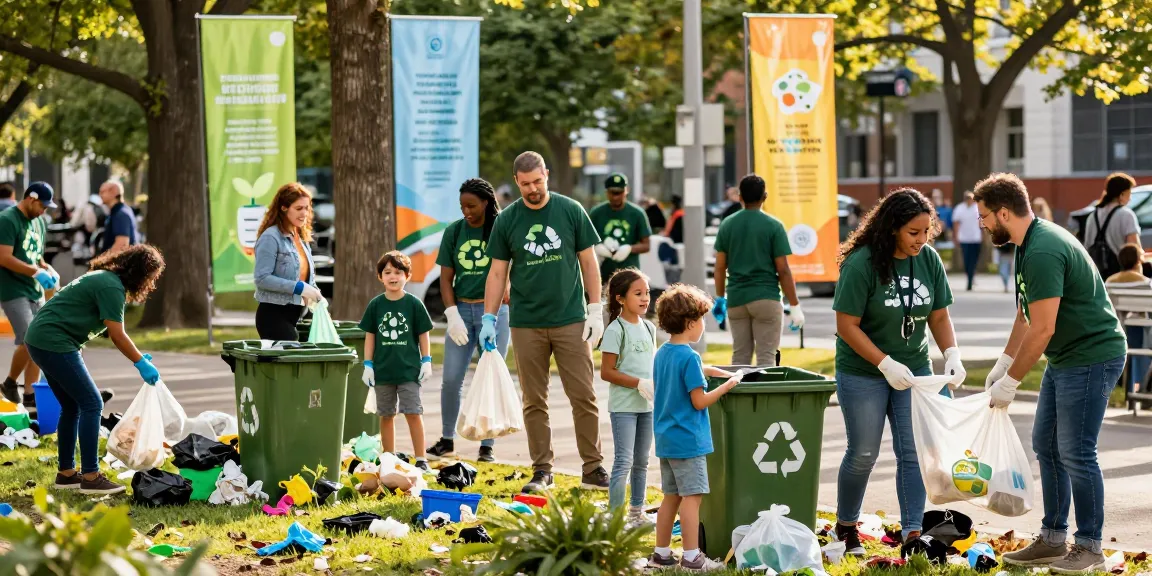
Successful sustainable community initiatives often begin with grassroots efforts that engage local residents in addressing shared challenges. Engaging community members in the design and implementation of sustainability projects fosters ownership and commitment. Initiatives may include community gardens, clean-up events, or public transportation campaigns that enhance existing infrastructure. Involving diverse stakeholders—such as local businesses, schools, and non-profits—can also amplify the impact of these initiatives. Furthermore, offering educational programs that focus on sustainable practices, from composting to energy efficiency, can empower communities with the knowledge and skills needed to drive change.
Collaborative Projects that Make a Difference
Collaboration is at the heart of sustained community engagement. Partnering with local organizations, governmental agencies, and community leaders can provide crucial resources and expertise. For instance, joint initiatives might focus on waste reduction through recycling campaigns or the promotion of renewable energy sources. Successful collaborative projects often emphasize clear communication, shared goals, and measurable outcomes. By establishing collective goals and regular assessment practices, communities can adapt their approaches and maximize their impact, creating a model for sustainable practices that can be replicated elsewhere.
Leveraging Social Media for Awareness
Social media serves as a powerful tool for spreading awareness about sustainability issues and initiatives. Platforms like Facebook, Instagram, and Twitter allow communities to share success stories, engage broader audiences, and mobilize action quickly. Developing an active online presence helps amplify local voices, increases visibility for sustainability projects, and fosters a supportive network of advocates. Regularly featuring educational content, community events, and tips for sustainable living can inspire individuals to take initiatives in their own lives. Moreover, encouraging user-generated content can create a sense of community ownership and pride in sustainable practices.
Overcoming Barriers to Sustainable Practices
Identifying Community Challenges
Understanding the specific barriers to sustainable practices in a community is crucial for effective planning. Common challenges include lack of access to resources, insufficient awareness of sustainability practices, and systemic issues such as economic disparity. Conducting surveys, focus groups, and community meetings can help identify these barriers and highlight the needs and aspirations of different populations within the community. Open dialogue is crucial as it allows residents to voice their concerns and propose viable solutions, creating a foundation for broader engagement.
Strategies to Foster Acceptance
To overcome resistance to sustainability initiatives, it is essential to foster acceptance and support at the community level. Educating community members about the benefits of sustainable practices—both for individual well-being and for the environment—can help dispel myths and encourage participation. Highlighting local success stories and showcasing the tangible results of sustainability efforts can demonstrate the value of these initiatives. Additionally, providing incentives—such as subsidies for renewable energy installations or rewards for reduced waste—can motivate individuals to adopt more sustainable practices.
Measuring Progress and Impact
Establishing metrics for success is crucial for evaluating the effectiveness of sustainability initiatives. Communities should set clear and measurable goals—such as reducing waste by a specific percentage or increasing the number of community gardens. Gathering data through surveys, observations, and participation levels can provide insights into progress and areas needing improvement. Regularly communicating progress to the community fosters transparency and encourages ongoing participation. Celebrating milestones not only reinforces collective effort but also inspires further action towards sustainability.
Global Examples of Sustainability in Action
Case Studies of Successful Initiatives
Examining global examples of successful sustainability initiatives reveals best practices that can be adapted locally. In various regions, cities have adopted zero-waste policies, aiming to reduce waste disposal through comprehensive recycling programs, composting facilities, and public education campaigns. In addition, city-wide bike-sharing programs in urban areas have reduced reliance on fossil fuel transportation, illustrating the tangible benefits of sustainable transportation options. These examples demonstrate that collective efforts can yield remarkable changes, motivating others to take action.
Lessons Learned from Global Practices
Analyzing successful sustainability initiatives globally reveals essential lessons that can guide local efforts. Strategies that prioritize community involvement and collaboration tend to have a higher rate of success. Making sustainability accessible, both financially and socially, enhances participation. Furthermore, building partnerships across sectors—such as government, businesses, and educational institutions—creates a more robust framework for scaling initiatives. Finally, ensuring that initiatives are adaptable allows communities to respond to changing needs and environmental contexts, fostering resilience.
How to Adapt Techniques Locally
To effectively adapt global sustainability techniques locally, communities must first assess their unique contexts and needs. Engaging local stakeholders—residents, businesses, and governmental organizations—in the development of tailored solutions is crucial. Mapping existing resources and identifying gaps can reveal opportunities for intervention. Learning from case studies and applying successful components to local strategies enables more meaningful and sustainable outcomes. Building a network of support can also enhance resilience, as communities learn from each other and adapt best practices to fit their specific challenges.
Becoming a Sustainability Advocate
Personal Actions for a Sustainable Future
Individuals play a crucial role in fostering a sustainable future. Simple actions—such as reducing energy consumption, embracing a plant-based diet, conserving water, and minimizing single-use plastics—can collectively contribute to larger changes. Advocating for sustainable practices within your own circles—family, friends, and workplaces—can create a ripple effect of awareness and action. Additionally, advocating for policy changes at the local level, such as supporting zoning regulations for sustainable development, can drive systemic change.
Sharing Your Journey on https://www.unsustainablemagazine.com
Documenting and sharing your sustainability journey can inspire others and build a sense of community around sustainable living. Whether through personal blogs, social media, or contributing to platforms like https://www.unsustainablemagazine.com, sharing stories of both successes and challenges can foster a dialogue about sustainability. Personal narratives resonate with others, illustrating the practical steps anyone can take. Encourage feedback and discussions, and don't hesitate to share valuable resources and insights that can support collective growth.
Building a Network of Change-Makers
Creating a robust network of like-minded individuals and organizations committed to sustainability is essential for fostering change. Participating in local environmental groups, attending workshops, or joining online forums can help you connect with other advocates. Collaborative projects not only enhance efforts but also provide valuable support and inspiration. Building a community of change-makers creates a solid foundation for scaling sustainable initiatives and increasing collective impact, making it easier to tackle the interconnected challenges of today.