Understanding Honey Bee Hive Removal
Honey bees play a vital role in our ecosystem by pollinating plants and producing honey. However, when they decide to take up residence in your home or property, it can become a significant issue. Knowing how to address this situation through effective honey bee hive removal is crucial for both your safety and the welfare of the bees.
What is Honey Bee Hive Removal?
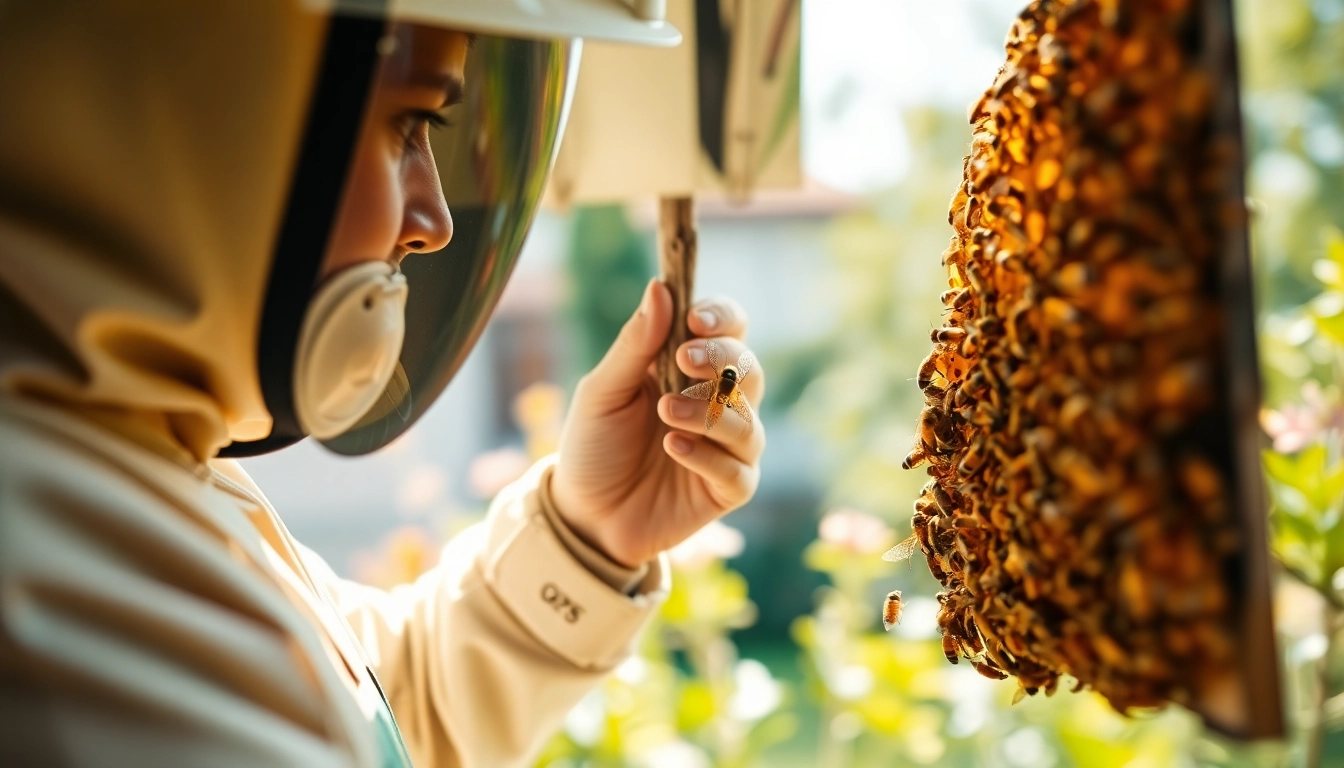
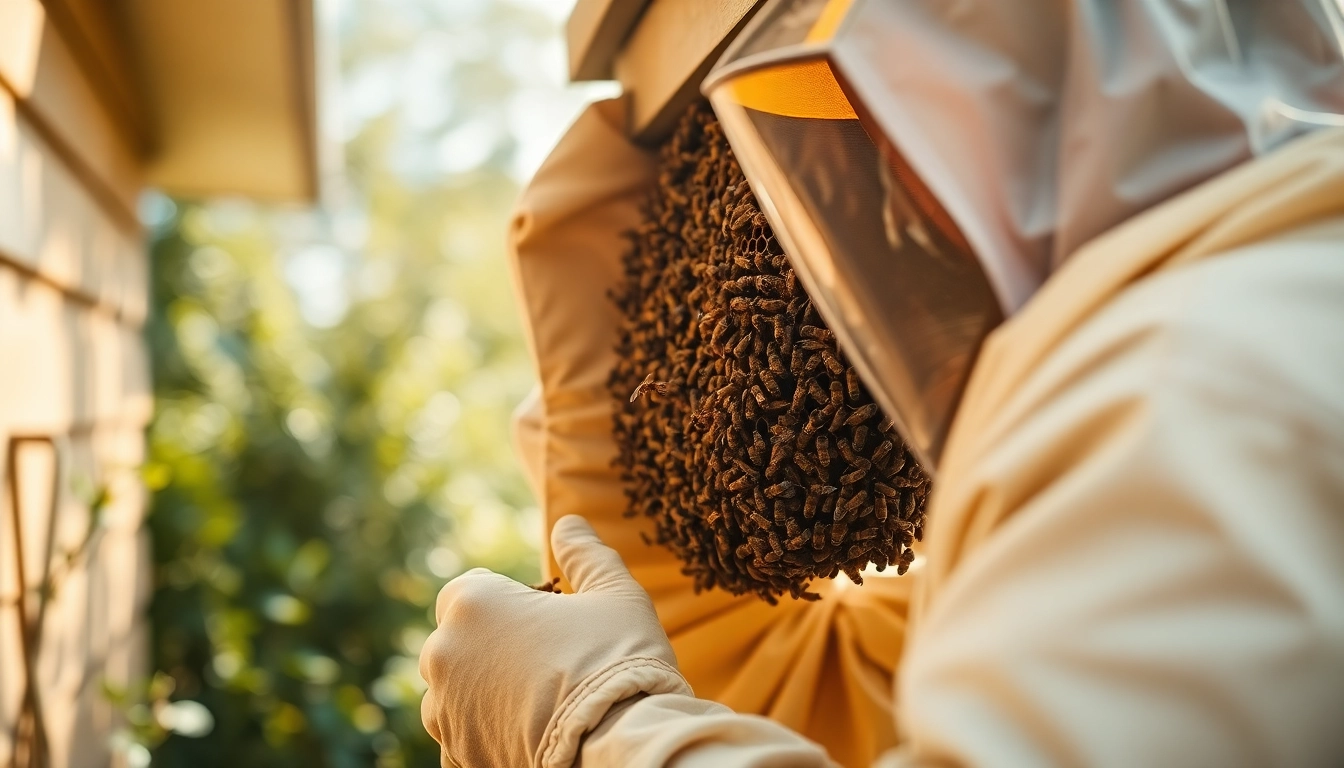
Honey bee hive removal involves the safe extraction of honey bees and their hive from a property. The process is essential not only to eliminate potential health risks associated with bees but also to ensure that the bees can be relocated and not harmed in the removal process. This service often requires specialized knowledge and equipment to ensure both effective removal and the welfare of the bees.
Importance of Professional Beekeeping Practices
Professional beekeeping practices are important in ensuring that honey bee populations remain sustainable and are protected from unnecessary harm. Experienced beekeepers understand the behavior of honey bees and can effectively identify the correct methods for hive removal or relocation. Utilizing trained professionals not only ensures safety but also promotes better care of hive conditions and bee welfare.
Common Myths About Honey Bees and Their Removal
Numerous myths surround honey bees and their removal, which can lead to dangerous misconceptions. For instance, many people believe that all bees are aggressive and must be exterminated; however, this is far from the truth. Honey bees usually only act defensively when they feel threatened. Recognizing the truth behind these myths is essential for making informed decisions about bee removal.
Health and Safety Considerations
Assessing Risks Involved in Honey Bee Hive Removal
The first step in honey bee hive removal is assessing the risks involved. Factors such as the location of the hive, the number of bees, and the physical condition of the removal site all play a significant role in determining the safest approach. Individuals who are allergic to bee stings face higher risks, highlighting the importance of understanding one's environment before attempting removal.
Protective Equipment for Honey Bee Hive Removal
Using protective equipment is crucial for anyone undertaking honey bee hive removal, whether a professional or a homeowner. Beekeeping suits, gloves, veils, and boots provide necessary protection from stings. Protective gear not only helps in minimizing the risk of injury but also instills confidence in those performing the removal.
What to Expect During the Removal Process
During the removal process, it is essential to remain calm and collected. Professionals will generally inspect the site first, using smoke to pacify the bees before beginning removal. The removal can take various forms, from relocating the entire hive to removing it in sections, depending on hive size and structure. Expect to see a team methodically working to ensure the safety of both humans and bees.
Methods of Honey Bee Hive Removal
Professional Techniques for Safe Honey Bee Hive Removal
Professionals adopt various techniques when it comes to safe honey bee hive removal. Techniques such as the “cut-out method” involve removing the hive directly from its location, including the bees, honey, and brood, allowing for quick relocation to a more suitable environment. Another common method is the “trap-out method,” where bees are funneled into a box to capture them without destroying the hive.
DIY Approaches and Their Limitations
While some homeowners consider DIY approaches to honey bee hive removal, these methods often carry limitations and can be dangerous. Without sufficient knowledge of bee behavior and safety measures, attempts at removal can lead to stings or injury. Moreover, improper removal can endanger the bees and might not result in complete hive extraction.
When to Call a Professional for Honey Bee Hive Removal
It is advisable to call in a professional when you observe a large number of bees or if the hive is located in a hard-to-reach area. If you are allergic to bee stings or unsure how to handle the situation, seeking expert help is crucial. Professionals have years of experience and can ensure that bees are removed safely and efficiently.
Post-Removal Care and Considerations
Securing the Area After Honey Bee Hive Removal
After the removal, it’s important to secure the area to prevent new colonies from taking up residence. This may include sealing gaps and removing remnants of the hive, as residual pheromones can attract new bees. Property owners should also conduct regular inspections, especially during peak bee activity seasons.
Preventing Future Bee Infestations
Preventing future bee infestations starts with understanding what attracts bees to your property. Ensure that food sources, like garbage and compost, are well covered. Additionally, keeping spaces clean, sealing entry points, and utilizing natural repellents can help deter bees from your home.
Environmental Impact of Honey Bee Hive Removal
It is essential to recognize the environmental impact of honey bee hive removal. Bees play a crucial role in pollinating crops and wildflowers. Therefore, ethical hive removal focuses not only on personal safety but also on maintaining bee populations through responsible practices. Engaging local beekeepers or eco-friendly removal services can help mitigate harm and promote sustainability.
Frequently Asked Questions
Can I remove a bee hive myself?
It is generally not advisable to remove a bee hive yourself unless you have proper training and equipment due to safety risks and potential harm to the bees.
Will beekeepers remove bees for free?
Many beekeepers will remove bees at little or no charge, but this might depend on the location and the complexity of the hive's removal.
How to get rid of honey bee hive?
The best way to get rid of a honey bee hive is to contact a professional service that specializes in humane removals, allowing for safe relocation.
What attracts honey bees to my home?
Honey bees are generally attracted to sweet scents, food sources, and potential nesting sites like eaves or wall cavities in your home.
What happens after hive removal?
After hive removal, it’s essential to clean the area thoroughly to eliminate pheromones that could lure new bees back to the site in the future.