Understanding Phone Gimbals: What They Are and How They Work
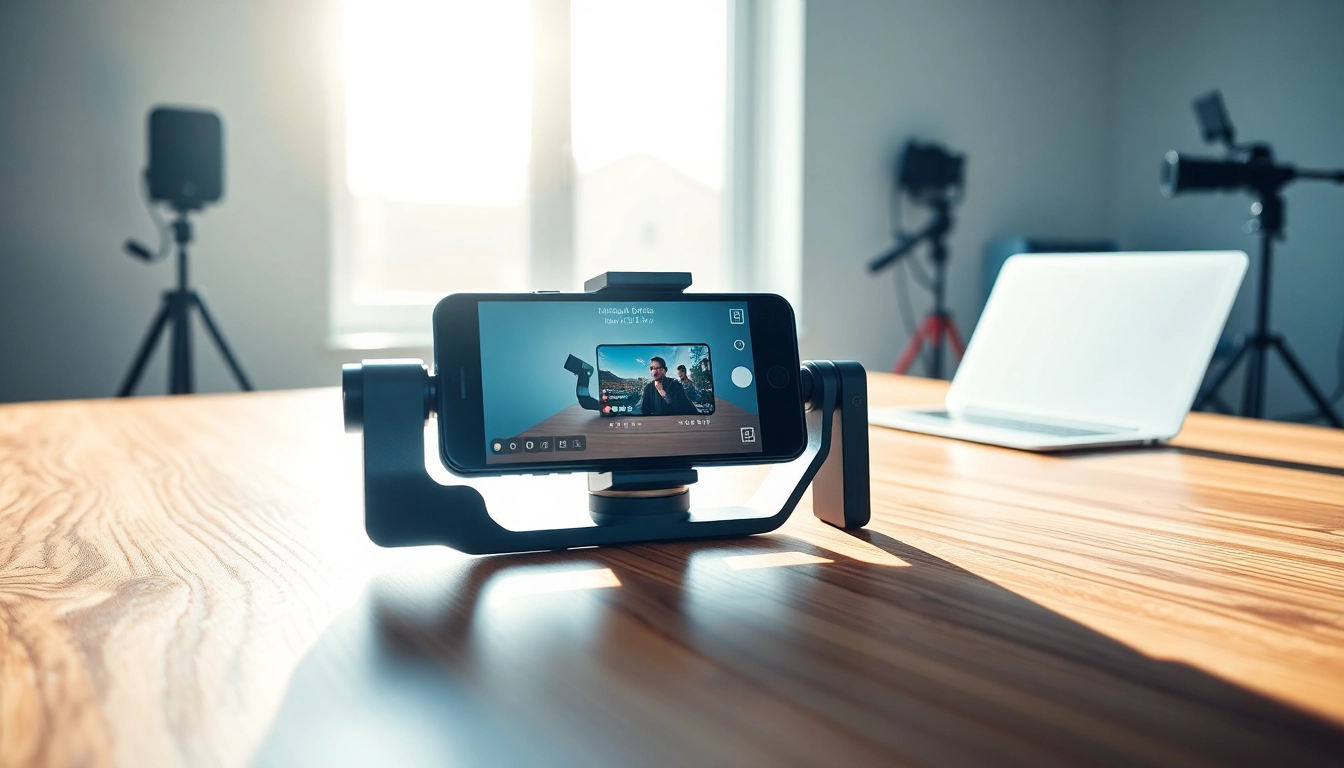
In the ever-evolving world of mobile videography, a phone gimbal has emerged as a vital tool for content creators and enthusiasts alike. These devices are handheld stabilizers designed to eliminate shaky footage, ensuring your videos capture every moment smoothly and with professional quality. With the rise of social media and online content, understanding how to effectively utilize gimbals is crucial for anyone looking to produce visually appealing videos.
The Basics of Phone Gimbal Technology
Phone gimbals operate on the principle of 3-axis stabilization, utilizing motors and sensors to counteract movement and vibrations. This technology allows the gimbal to provide a steady platform for your smartphone, making it easier to film dynamic shots while walking, running, or even performing complex maneuvers. The adaptability of these devices to various filming scenarios is what sets them apart from traditional camera stabilizers.
Key Features to Look for in a Phone Gimbal
- Stabilization Mechanism: Look for gimbals that offer advanced stabilization algorithms for smoother footage.
- Battery Life: Long battery life ensures you won’t run out of power during critical shooting sessions.
- Weight and Portability: A lightweight design makes it easier to carry and maneuver, especially during extended filming.
- Smartphone Compatibility: Ensure that the gimbal can accommodate your specific phone model and size.
- Additional Features: From built-in tracking to app connectivity, additional features can enhance your filming experience.
Comparing Phone Gimbals to Other Stabilization Methods
While gimbals are among the most popular stabilization tools, they are not the only option. Techniques such as handheld shooting with image stabilization and tripod setups provide alternative means of achieving stable footage. However, gimbals offer a unique ability to adjust dynamically to motion, providing smoother results during more active filming. Understanding the benefits of each method can aid in selecting the right equipment for your style of shooting.
Top Phone Gimbal Models of 2025
Review of the Best Gimbals for iPhones and Androids
As we look towards 2025, several models stand out in the phone gimbal market, appealing to amateur and professional videographers alike. For instance, the phone gimbal options available from brands like DJI and Hohem incorporate cutting-edge technology that enhances portability and usability. Each model serves different filming needs, making it essential to assess their specific features.
Features Comparison: Pricing, Stabilization, and Portability
When choosing a gimbal, comparing key features such as pricing, stabilization capabilities, and physical portability is essential:
- DJI Osmo Mobile 7: Renowned for its superior stabilization and intelligent shooting modes, this model is priced around $159.
- Hohem iSteady M7: With an accessible price point of $39.99, it still delivers reliable stabilization for casual users.
- Insta360 Flow 2 Pro: A premium choice with advanced AI tracking features, priced at approximately $129.
User Reviews and Ratings for Leading Models
Consumer reviews can provide valuable insights into the performance of various gimbals. The DJI Osmo Mobile 7, for example, boasts an impressive 4.8-star rating from users who praise its ease of use and robust stabilization. In contrast, the Hohem iSteady M7 receives accolades for its affordability while delivering reasonable performance for casual filmmakers. Understanding user experiences can guide you in selecting the gimbal that best fits your needs.
How to Choose the Right Phone Gimbal for Your Needs
Identifying Your Filming Style and Requirements
Your choice of gimbal should align closely with your filming style. Are you focusing on static shots, or do you require mobility for dynamic scenes? By answering these questions, you can narrow down options to gimbals that suit your specific requirements. For instance, filmmakers who frequently shoot in motion may benefit from advanced stabilization features, while those focusing on stationary shots can consider lighter, more budget-friendly options.
Price vs. Performance: What Matters Most?
The balance between price and performance is another critical factor. While higher-priced models often offer enhanced features and stability, it’s important to assess what you truly need for your projects. For casual users, a mid-range gimbal can provide adequate performance without breaking the bank, whereas professionals might opt for top-tier models to ensure the best results.
Additional Accessories and Features to Consider
Many gimbals come with supplementary accessories such as tripods, carrying cases, and extension rods. Paying attention to what’s included can enhance your overall experience, allowing for greater flexibility in your filming sessions. Features like built-in lights or external microphone attachments can further improve your shooting capabilities.
Tips for Maximizing Your Phone Gimbal Usage
Basic Techniques for Effective Stabilization
To make the most out of your gimbal, mastering basic stabilization techniques is vital. Keep the gimbal close to your body for easier maneuverability and more natural movements. Practicing smooth, controlled motions when filming will yield superior results, as sudden jerks can disrupt the stabilization process.
Creative Filming Techniques Using a Phone Gimbal
Phone gimbals enable a range of creative filming techniques. Consider experimenting with different shots, such as tracking shots, pans, and tilts. Utilizing the gimbal to create unique angles or perspectives can add a professional touch to your videos, captivating your audience more effectively. Techniques like the "reveal shot," where you move the gimbal around obstacles to showcase the subject, can add depth to your work.
Common Mistakes and How to Avoid Them
Many users encounter common pitfalls when using gimbals, such as forgetting to balance their smartphone or failing to familiarize themselves with the settings. Avoid these missteps by taking the time to read the user manual, and ensure that your device is correctly balanced on the gimbal before filming. Practicing in various scenarios can also help you become more comfortable with your equipment.
The Future of Phone Gimbals in Content Creation
Emerging Trends and Technologies in Stabilization
The landscape of phone gimbals is continuously evolving, with new technologies and features emerging regularly. Innovations such as AI-powered tracking, electronic zoom control, and improved battery technologies are becoming commonplace. These advancements promise to further enhance the filming experience, making gimbals more intuitive and user-friendly.
Predictions for Gimbal Development Beyond 2025
Looking ahead, we can expect to see even more integration of smart technologies within gimbals. Features like real-time editing, augmented reality (AR) overlays, and companion apps that suggest optimal settings based on shooting scenarios could redefine how we approach mobile videography. The goal will be to simplify the creative process while delivering exceptional video quality.
Integrating Gimbals with Other Filming Equipment
To maximize your filmmaking potential, consider how your gimbal can complement other filming gear. Integrating your phone gimbal with DSLRs, lights, and audio equipment can create a seamless workflow, enhancing video quality and production value. Understanding how these tools work together will elevate your overall content creation efforts.