Understanding Jungle Gyms
What Are Jungle Gyms?
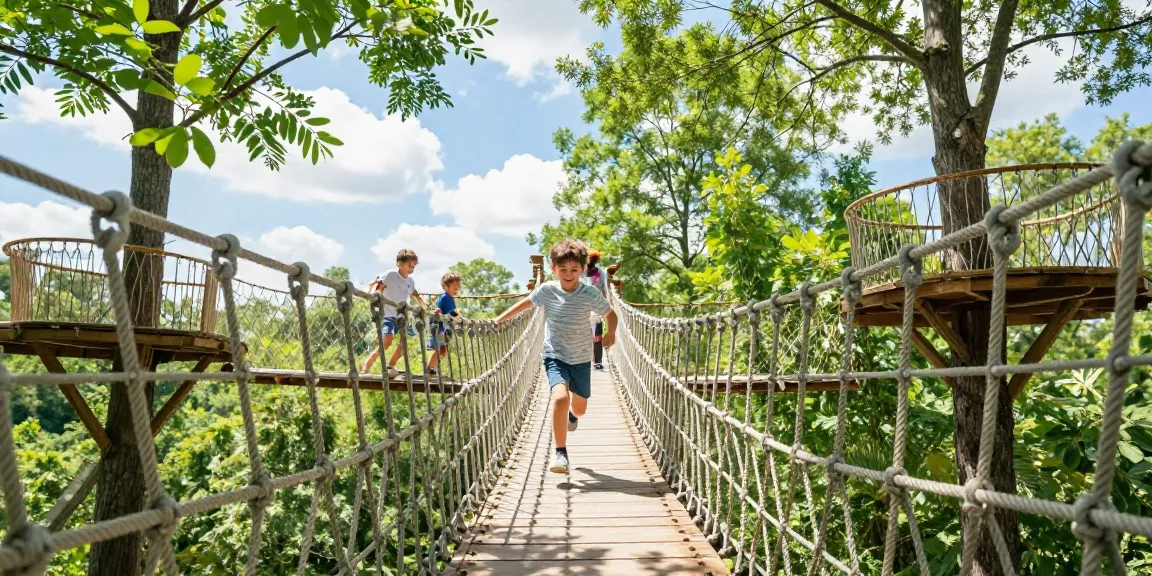
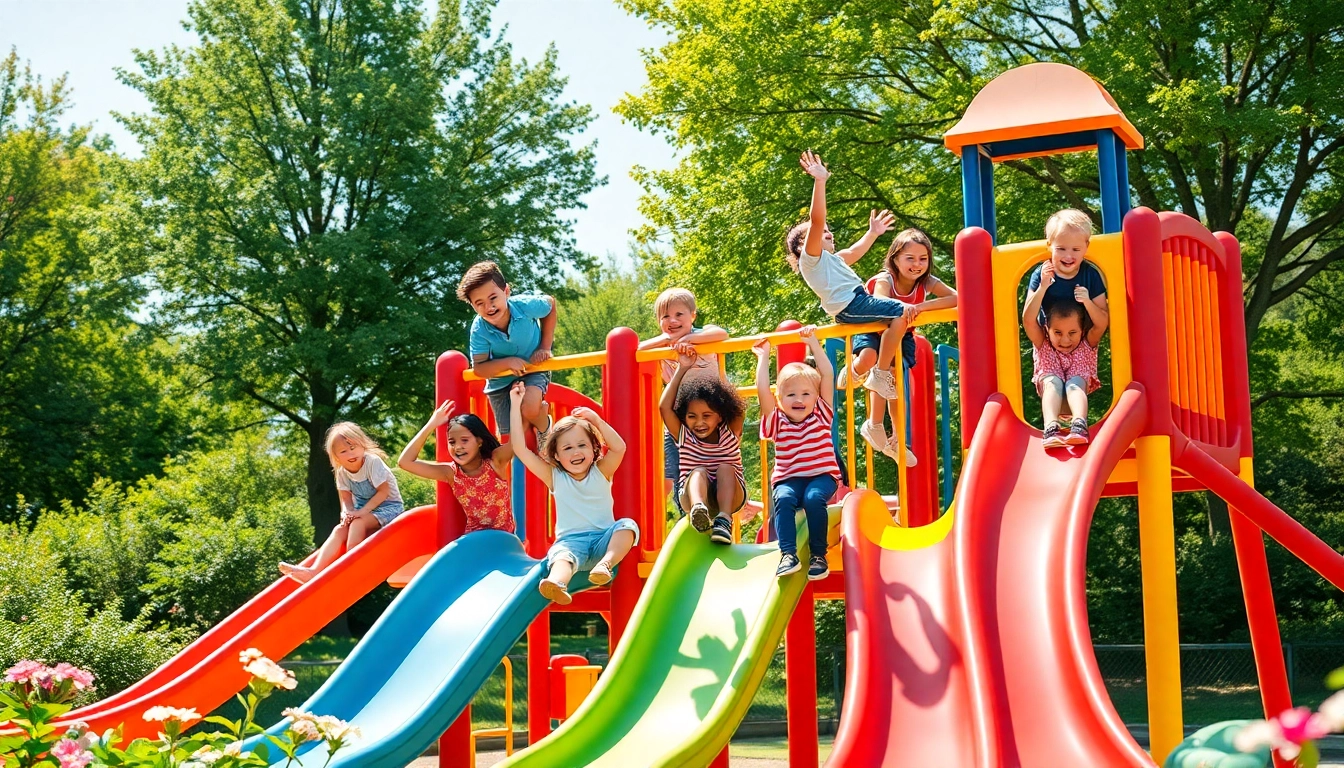
Jungle Gyms are imaginative playground structures designed primarily for children's play. These structures typically consist of various climbing apparatus such as ladders, slides, and swings, encouraging children to explore, climb, and engage with their environment. Generally constructed from durable materials like wood, metal, or plastic, these outdoor playsets come in various designs to suit different spaces and age groups. They offer children the opportunity to engage in physical activity while developing their motor skills, confidence, and creativity. The appeal of Jungle Gyms lies in their ability to stimulate a child’s imagination while providing safe areas for active play.
The Benefits of Jungle Gyms for Children
While the physical aspect of Jungle Gyms is prominent, their psychological and social benefits are equally significant:
- Physical Development: Climbing and swinging promotes muscle development, balance, and coordination.
- Social Skills: Playing with peers encourages teamwork, negotiation, and communication.
- Imagination and Creativity: Jungle Gyms provide a canvas for imaginative play, allowing children to invent stories and scenarios.
- Confidence Building: Mastering new challenges on a Jungle Gym can boost a child’s self-esteem.
- Risk Assessment: Learning to navigate safe but challenging environments provides lessons in assessing risks.
Basic Components of Jungle Gyms
Most Jungle Gyms are composed of several key components, each serving a unique purpose:
- Climbing Structures: Ladders, climbing walls, and ropes help develop physical strength and agility.
- Slides: A fun element that provides a thrilling descent after climbing, encouraging active play.
- Swings: These promote physical coordination and can be used for both play and social interaction.
- Safety Features: Many Jungle Gyms incorporate safety rails, cushioned surfaces, and sturdy materials to minimize injuries.
- Accessories: Items like telescopes, steering wheels, and sandboxes can enhance imaginative play.
Choosing the Right Jungle Gym
Factors to Consider When Selecting Jungle Gyms
Selecting the right Jungle Gym involves careful consideration of several factors:
- Age Appropriateness: Ensure the Jungle Gym suits your child's age and developmental stage. Different structures cater to various age groups.
- Space Availability: Measure the area in which you plan to install the Jungle Gym, accounting for safe zones around the structure.
- Budget: Determine your budget, as Jungle Gyms can range significantly in price based on design, material, and size.
- Features: Assess which features are essential for your child’s interests. Some may prefer slides, while others might love climbing walls.
- Future Growth: Consider if the Jungle Gym will accommodate your child's growth and varying play interests over time.
Materials and Safety Standards for Jungle Gyms
The materials used in constructing Jungle Gyms directly impact their durability and safety. Common materials include:
- Wood: Offers a natural, aesthetic appeal but requires periodic maintenance.
- Metal: Provides robust support but can heat up in the sun and may require protective padding.
- Plastic: Lightweight and gently rounded, it's often used for slides and swing seats, but may have limitations in longevity.
When selecting a Jungle Gym, it is crucial to ensure it meets safety standards set by organizations that oversee playground safety, ensuring that the structure can safely accommodate your child's active play without risk of injury.
Size and Space Requirements for Jungle Gyms
Before purchasing a Jungle Gym, it is essential to assess the surrounding area. Consider the following:
- Clearance Space: Allow at least a 6-foot clearance around the Jungle Gym for safe access and fall zones.
- Surface Type: Grass, sand, and rubber mats are recommended soft ground cover materials to decrease injury risk from falls.
- Landscape Features: Beware of nearby trees, fences, or structures that could pose dangers.
- Access: Ensure there is enough room for children to run and play without restriction.
Building Your Jungle Gym
DIY Ideas for Jungle Gyms
Building a DIY Jungle Gym can be a rewarding project. Here are some ideas to embark upon:
- Simple Climbing Frame: Use pressure-treated wood to create a scale model of a basic climbing frame, incorporating rope ladders and a small slide.
- Balance Beams: Repurpose wooden planks as balance beams to encourage coordination.
- Swings and Ropes: Hang swings from strong tree branches or build a swing frame for added fun.
Ensure that any DIY Jungle Gym is sturdy and safe for children. Building your structures also allows for customization to fit unique backyard layouts.
Planning and Designing Your Jungle Gym
A well-planned design is crucial for creating a functional Jungle Gym that meets your needs. Follow these steps:
- Conceptualize: Sketch a design based on your child's preferences.
- Select Materials: Choose durable, safe materials that are suitable for children's play.
- Create a Blueprint: Built on your sketch, outline the dimensions and specifications carefully.
- Assembly Plan: Make a step-by-step plan for assembly, ensuring safety checks are in place.
Common Mistakes to Avoid When Building Jungle Gyms
While constructing a Jungle Gym, some pitfalls can be avoided to ensure the project’s success:
- Neglecting Safety Measures: Always prioritize safety by adhering to guidelines and using high-quality materials.
- Ignoring Space Requirements: The incorrect estimation of needed space can lead to unsafe conditions.
- Overlooking Maintenance Needs: Regular maintenance must be accounted for from the onset to prolong the lifespan of the Jungle Gym.
Maintaining Jungle Gyms
Routine Maintenance Tips for Jungle Gyms
Regular maintenance is essential to ensure the safety and longevity of Jungle Gyms. Key maintenance practices include:
- Inspection: Periodically check for loose screws, rust, or rot in wooden structures, and ensure swings are secure.
- Cleaning: Remove debris and contaminants regularly to maintain the structure’s integrity and hygiene.
- Surface Care: Replace damaged surfacing materials to avoid tripping hazards or falling accidents.
Identifying Safety Hazards in Jungle Gyms
Awareness of potential safety hazards is critical for maintaining a safe play area:
- Sharp Edges: Inspect for any protruding parts or rough edges that can cause injuries.
- Weather Damage: Regularly check for wear caused by elements such as rain, snow, or UV exposure.
- Overcrowding: Limit the number of children using the Jungle Gym at one time to prevent accidents.
Seasonal Care for Jungle Gyms
As seasons change, various precautions should be taken to ensure the Jungle Gym remains safe and functional:
- Winter Preparations: Clear snow and ice from surfaces to avoid accidents.
- Spring Inspection: Conduct thorough checks for wear after winter and before heavy usage.
- Summer Maintenance: Ensure that ropes and swings are intact and check the shade if necessary to protect children from heat.
- Fall Cleanup: Prepare for falling leaves and debris that may accumulate around the Jungle Gym.
Maximizing Playtime with Jungle Gyms
Creative Play Ideas Using Jungle Gyms
Maximizing your child's play experience on Jungle Gyms can include a range of creative ideas:
- Adventure Games: Design obstacle courses using various Jungle Gym components.
- Themed Play: Encourage imaginative play scenarios where children take on roles as adventurers or explorers.
- Skill Challenges: Create challenges for climbing speed, balancing, or swing tricks to keep playtime exciting.
Organizing Fun Activities Around Jungle Gyms
Involving friends and family in activities around Jungle Gyms can enhance social skills and engagement:
- Play Dates: Organize frequent play dates, allowing children to develop social interactions in a safe environment.
- Group Challenges: Set up team challenges to promote cooperation and teamwork among children.
- Creative Arts and Crafts: Encourage creative expression through art inspired by their Jungle Gym adventures, like drawings or storytelling.
Encouraging Social Skills Through Jungle Gyms
Jungle Gyms offer a platform to foster friendships and interpersonal skills:
- Team Play: Provide children opportunities to play in groups, encouraging them to share and take turns.
- Conflict Resolution: Learning to negotiate play situations fosters essential problem-solving skills.
- Communication Building: Engaging with peers encourages language and expression development in social contexts.