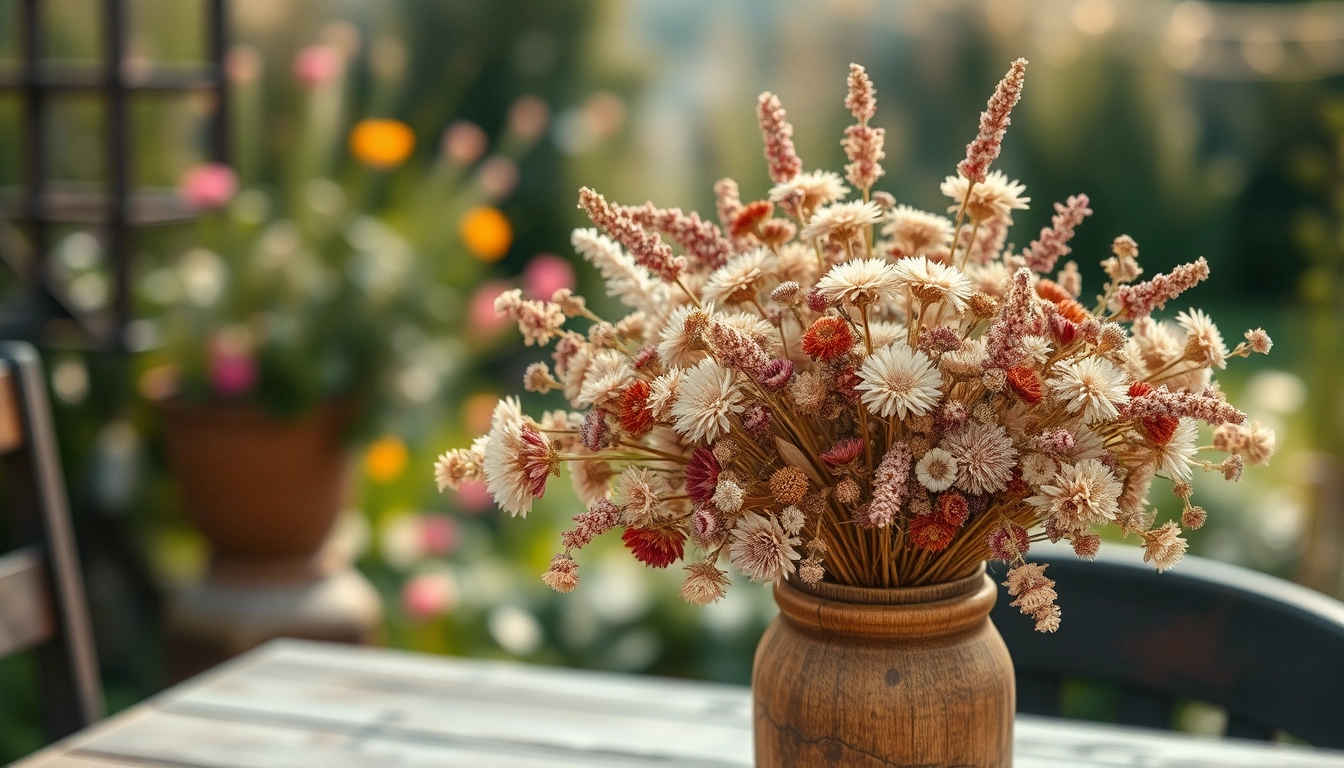
Introduction to Dried Flowers
Dried flowers have emerged as a significant trend in the world of home decor and floral arrangements, capturing the hearts of many for their unique beauty and sustainability. Unlike their fresh counterparts, dried flowers offer lasting elegance, serving as poignant reminders of nature’s beauty without the impermanence of fresh blooms. As a versatile choice for various settings, from weddings to home decor, dried flowers have solidified their place in contemporary aesthetics.
History and Popularity of Dried Flowers
The use of dried flowers dates back centuries, with evidence of their significance seen in ancient cultures, where flowers were dried for both medicinal and decorative purposes. Over time, the practice of preserving flowers evolved, becoming an art form in itself. The Victorian era popularized dried flower arrangements, often used in sentimental keepsakes. Today, the revival in interest towards eco-friendly and sustainable practices has reignited the popularity of dried flowers, making them appealing both for their beauty and environmental benefits.
Why Choose Dried Flowers?
Choosing dried flowers brings numerous advantages. First, their longevity is unmatched; while fresh flowers may wilt within days, dried flowers can last for years with minimal care. They also require no water or sunlight, making them extremely low maintenance. Additionally, dried flowers are available year-round, regardless of season, providing consistent access to a variety of blooms. This flexibility makes them a favorite for creative projects and decor.
Environmental Benefits of Dried Flowers
The environmental benefits of dried flowers cannot be overstated. They often come from locally sourced plants, reducing the carbon footprint associated with transporting fresh flowers across long distances. Furthermore, many dried flower producers utilize organic farming methods, ensuring that no harmful pesticides are used. By choosing dried flowers, consumers can enjoy floral arrangements that not only beautify their spaces but also contribute to sustainability.
Best Varieties of Dried Flowers
Not all flowers are suitable for drying, so it’s important to know which varieties lend themselves best to this process. From the classic to the exotic, here are some of the best dried flower options available.
Top Flowers for Dried Arrangements
When it comes to dried arrangements, certain flowers stand out due to their structural integrity and vibrant colors that withstand the drying process. Popular choices include:
- Lavender: Praised for its delightful fragrance and beautiful hues.
- Roses: Their timeless elegance makes them a favorite for romantic displays.
- Statice: Known for its vibrant colors and sturdy nature.
- Amaranth: Offers rich hues and exceptional durability.
- Celosia: Features unique textures that add depth to arrangements.
Flowers that Dry Well Naturally
Some flowers are exceptionally suited for natural drying due to their low moisture content and sturdy petals. Beyond those mentioned previously, others include:
- Baby’s Breath: This delicate flower adds a soft touch to any bouquet.
- Strawflowers: Known for their papery petals which retain color well.
- Eucalyptus: Its aromatic leaves bring fragrance and structure.
Seasonal Dried Flowers Selection
Many flowers can be dried during specific seasons, allowing for a rich variety throughout the year. Spring brings tulips and peonies, while summer offers a plethora of wildflowers. Autumn introduces stunning foliage, and winter can feature evergreens and berries, providing endless creative possibilities. Understanding the seasonal availability of dried flowers can help you create arrangements that are both timely and beautiful.
Creative Uses for Dried Flowers
Dried flowers are not just for arrangements; their creative applications span a wide variety of decor and projects. Here are some inspiring ideas for using dried flowers.
Home Decor Inspirations
Dried flowers can transform any space into a cozy haven. Use them in:
- Vases: Simple yet impactful; arrange them in a unique vessel.
- Wreaths: Create seasonal wreaths for doors or walls that can be displayed year-round.
- Garlands: String them together for a beautiful window or mantel display.
- Frame or shadow boxes: Preserve special blooms in frames, adding a personal touch to walls.
Dried Flowers in Weddings
Weddings have seen a significant rise in the use of dried flowers. They provide a rustic, romantic feel and can be incorporated into:
- Bridal Bouquets: Beautiful and lasting, a dried bouquet will be a cherished keepsake.
- Centerpieces: Dried arrangements can complement the wedding theme.
- Decorative Accents: Enhance various decor elements, from table settings to backdrops.
Crafting Projects with Dried Flowers
The crafting potential with dried flowers is limitless. Here are some fun project ideas:
- DIY Potpourri: Combine dried flowers with spices and essential oils for fragrant sachets.
- Pressed Flower Art: Press flowers in a book to create art pieces or greeting cards.
- Flower Crowns: Create unique headpieces for events or festivals using crafted dried flowers.
How to Properly Dry Flowers
Drying flowers can be an art form in itself, and understanding the best methods can greatly enhance their final appearance. Here are some effective techniques.
Basic Methods for Drying Flowers
Several methods can be employed for drying flowers:
- Air Drying: Bundle flowers and hang them upside down in a dark, dry place.
- Silica Gel: Using silica gel preserves both the shape and color of the flowers effectively.
- Pressing: Press flowers between heavy books for flat, delicate blooms ideal for art projects.
Tips for Preserving Colors
To ensure that the vibrant colors of flowers are retained throughout the drying process, consider these tips:
- Choose flowers at their peak of bloom for optimal color retention.
- In dry, dark environments, avoid sunlight which can bleach colors.
- Use desiccants like silica gel that absorb moisture effectively.
Common Mistakes to Avoid
Avoiding common pitfalls can make all the difference in your dried flower results:
- An overcrowded drying space can result in uneven drying.
- Choosing flowers that are too mature or wilted may result in disappointing outcomes.
- Not using the right drying method for specific flower types can damage them.
Care and Maintenance of Dried Flowers
Once you've successfully dried your flowers, taking care of them is essential to ensure their longevity.
Best Practices for Longevity
To help maintain the quality and appearance of dried flowers:
- Keep them out of direct sunlight to prevent fading.
- Store them in a dry area with low humidity to avoid mold.
- Arrange them in a manner that avoids excess handling or potential breakage.
Cleaning Dried Flowers
Cleaning dried flowers requires a gentle touch. Here's how:
- Dust them lightly with a soft brush or a makeup brush to remove built-up dirt.
- Alternatively, use a hairdryer on the cool setting to blow away dust particles.
Reviving Dried Flowers
If your dried flowers start to look tired, consider these reviving methods:
- Gently steam them with a steam iron from a distance to restore some suppleness.
- Reshape the stems while they are slightly warm from the steam for better form.
- Mist them lightly with water (avoid soaking) to refresh their appearance.
FAQs
What types of flowers are best for drying?
Sturdy flowers with low moisture content are best, such as roses, lavender, and statice.
What significance do dried flowers hold?
Dried flowers symbolize endurance and resilience, often used to convey deep emotions.
How long do dried flowers last?
With proper care, dried flowers can last for several years without losing their beauty.
Can I make DIY dried flower arrangements?
Yes! Dried flowers are perfect for DIY projects, allowing creativity in floral designs.
How do I clean dried flowers?
Gently dust dried flowers with a soft brush or use a hairdryer on a cool setting to clean.