Understanding Structural Steel Fabrication
Defining Structural Steel Fabrication
Structural steel fabrication is the intricate process of transforming raw steel into precise finished components that are essential for various construction projects. This pivotal stage includes tasks such as cutting, shaping, welding, and assembling steel beams, columns, and other critical structural elements. The goal is to create components that meet exact specifications for strength, durability, and safety. Various industries, including commercial, industrial, and residential construction, rely heavily on structural steel fabrication, making it a cornerstone practice in the construction domain. Companies specializing in structural steel fabrication ensure that architectural designs can be efficiently realized without compromising on quality.
The Importance of Structural Steel in Construction
Structural steel plays an indispensable role in construction due to its unique properties and advantages. It is an alloy of iron and carbon, which provides a high degree of strength while remaining relatively lightweight when compared to other building materials like concrete or timber. Steel's adaptability allows it to be molded into various shapes and sizes, facilitating diverse architectural styles and applications.
Beyond strength and versatility, structural steel's resistance to various environmental factors, including fire, pests, and decay, enhances its reputation as a preferred choice for many construction projects. Moreover, with the need for sustainable building practices, structural steel can often be recycled, aligning with today's eco-friendly initiatives and reducing overall waste.
Key Materials Used in Structural Steel Fabrication
The primary materials used in structural steel fabrication include steel sections such as plates, beams, and columns, along with various alloys that enhance steel's innate properties. Common types of steel include mild steel, high-strength low-alloy steel, and stainless steel, with each type offering distinct characteristics suited for different applications.
In addition to steel, various additives and coatings may be utilized to enhance corrosion resistance, aesthetic appeal, or compatibility with other materials. Knowledge of these materials is crucial in achieving the desired performance and longevity of the final product, further emphasizing the importance of expert knowledge in steel fabrication processes.
The Fabrication Process of Structural Steel
Step-by-Step Overview of the Fabrication Process
The structural steel fabrication process consists of several sequential stages:
- Design and Engineering: Experts translate architectural plans into detailed fabrication drawings, specifying all necessary dimensions, tolerances, and finishing requirements.
- Material Selection: Appropriate materials are chosen based on the strength requirements and environmental considerations of the project.
- Cutting: Steel elements are cut to the specified lengths and shapes using methods such as plasma cutting, laser cutting, and saw cutting.
- Bending: Parts are bent to meet design specifications using methods like press braking or roll bending.
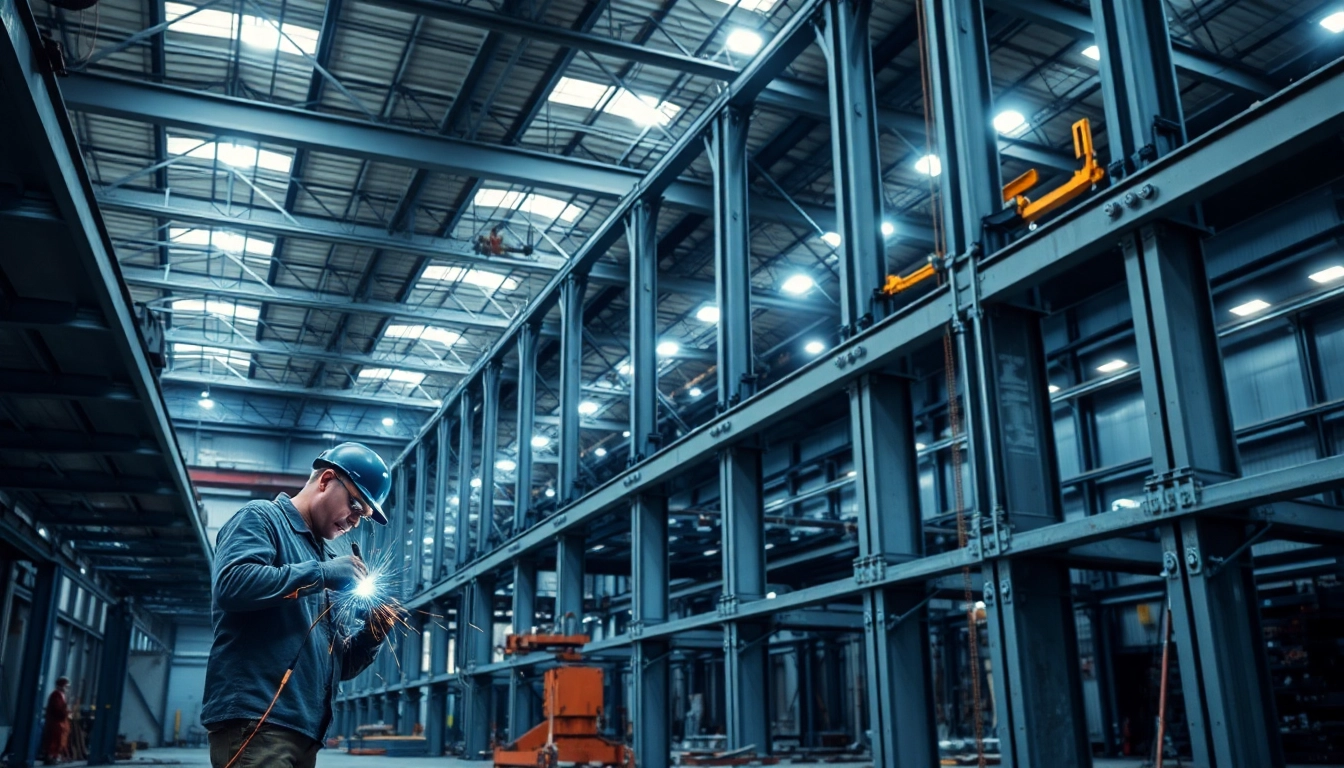
- Welding: Components are joined using various welding techniques, depending on the material and desired strength. Common methods include MIG (Metal Inert Gas), TIG (Tungsten Inert Gas), and stick welding.
- Assembly: Fabricated components are assembled into the larger structural system, ready for installation on site.
- Finishing: Structural elements may receive protective coatings or surface treatments to enhance durability and appearance.
- Quality Control: Rigorous inspections are performed to ensure all components meet the required specifications and standards.
Techniques for Cutting, Bending, and Welding
The techniques utilized in structural steel fabrication greatly influence the quality and efficiency of the finished product. Here are the common techniques employed in each stage:
- Plasma Cutting: Employs a high-temperature plasma arc to melt and sever metal, offering precision and efficiency.
- Laser Cutting: Utilizes concentrated light to cut complex shapes with high accuracy.
- Waterjet Cutting: Involves a high-pressure stream of water, often combined with abrasives to cut through materials without heat-affected zones.
- Press Braking: Employs a press brake machine to bend the steel to the desired angle.
- Roll Bending: Involves passing steel through a series of rollers to achieve larger-radius curves.
- MIG Welding: Provides a continuous wire feed that melts and joins the metal without requiring filler rods.
- TIG Welding: Uses a non-consumable tungsten electrode, allowing for higher control and tighter joints.
- Arc Welding: Utilizes an electric arc to melt the metals being joined, producing a strong weld.
Quality Control in Structural Steel Fabrication
Quality control is a crucial component of structural steel fabrication, ensuring that every piece meets the strict guidelines set out by industry standards. Additionally, quality assurance extends across all phases of the fabrication process:
- Incoming Material Inspection: All raw materials are assessed for size, consistency, and compliance with specifications.
- In-Process Inspections: Regular checks are performed during the cutting, bending, and welding stages to ensure adherence to design specifications.
- Final Inspection: Before shipping, the complete assembly is evaluated for structural integrity, weight distribution, and surface finish.
- Certification: Many projects require compliance with national standards, such as those outlined by the American Institute of Steel Construction (AISC) and the American Welding Society (AWS).
Cost Factors in Structural Steel Fabrication
Material Costs and Their Impact
The cost of materials is one of the most significant factors influencing the overall expenses in structural steel fabrication. The price of steel fluctuates based on market demand, production costs, and raw material availability. As such, construction projects must account for these variables when budgeting for structural steel components.
Using high-strength steel can reduce the overall weight and material requirements, potentially lowering costs. However, optimal material selection requires a balance between cost, performance, and structural integrity.
Labor Costs and Efficiency Considerations
Labor costs are another critical factor in structural steel fabrication. Skilled labor is needed to operate complex machinery, weld joints, and oversee quality control. As projects grow in complexity and scale, labor costs can significantly impact the overall budget.
To enhance efficiency, many companies invest in advanced technologies and automation. For example, employing CNC (Computer Numerical Control) machines for cutting and bending can optimize production timelines and reduce human error, ultimately affecting labor costs positively.
Understanding Erection Costs and Pricing Structures
The final phase of construction involves the erection of fabricated components on-site. Erection costs encompass not only the physical placement of steel elements but also the associated overhead, equipment rentals (such as cranes), and temporary supports needed during installation.
Pricing structures for structural steel work typically include breakdowns of material, labor, and equipment. Understanding these components can aid project managers in making informed decisions when selecting contractors, as well as evaluating their overall project budgets.
Best Practices for Structural Steel Fabrication
Maintaining Safety Standards in Fabrication
Safety in the fabrication shop and construction site is paramount. Compliance with OSHA (Occupational Safety and Health Administration) regulations and industry best practices not only protects workers but also minimizes project delays due to accidents or safety violations.
Implementing safety protocols such as regular training sessions, adequate ventilation, and proper use of personal protective equipment (PPE) can significantly reduce the likelihood of workplace injuries.
Innovative Techniques and Equipment
Staying updated with the latest innovations in fabrication techniques and equipment can greatly enhance productivity. Technologies such as 3D modeling software for design and prefabrication, as well as automated welding systems, are transforming the industry. Additionally, the adoption of augmented reality and virtual reality for planning and training offers exciting new possibilities.
Training and Development for Fabrication Workers
Investing in the continuous training and development of fabrication workers is essential for maintaining a highly skilled workforce. As technology evolves, so too must the skill set of the workforce.
Offering opportunities for upskilling through workshops, certifications, and hands-on training with the latest equipment can enhance productivity and quality while reducing turnover rates.
The Future of Structural Steel Fabrication
Market Trends and Growth Projections
The global market for structural steel fabrication has been projected to grow significantly over the coming years. Factors such as increasing urbanization, infrastructure development, and a shift towards sustainable materials and practices are anticipated to drive demand. According to various market analyses, the size of the structural steel fabrication market is expected to increase from approximately USD 87 billion in 2024 to over USD 120 billion by 2031, reflecting a CAGR of 4.7%.
Technological Advancements in Fabrication
As technology continues to develop, the structural steel fabrication industry is likely to see further advancements, particularly in automation and robotics. The integration of Digital Twins, machine learning, and advanced analytics can streamline workflows, enhance decision-making, and ultimately improve project outcomes.
Moreover, investments in sustainable practices, such as energy-efficient fabrication processes and materials recycling systems, will likely dominate future strategies, aligning with global sustainability goals.
Eco-Friendly Practices in Structural Steel Fabrication
The focus on eco-friendly practices within structural steel fabrication cannot be overstated, as companies increasingly aim to minimize their carbon footprints. From using recycled steel materials to developing energy-efficient fabrication methods, every step is designed to reduce environmental impact.
Moreover, practices such as life cycle assessments and green certifications can help companies not only comply with regulatory demands but also gain a competitive edge in the market, attracting environmentally-conscious clients.