
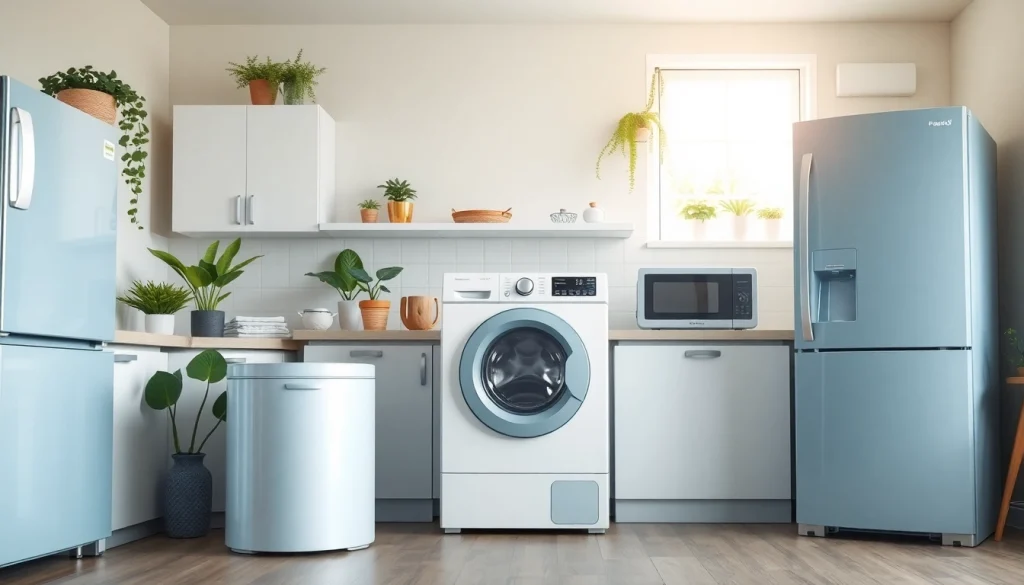
Understanding Home Systems and Appliance Protection
What is Home Systems and Appliance Protection?
Home systems and appliance protection is a type of insurance or service plan that provides coverage for repairs or replacements of major home systems and appliances when they break down due to normal wear and tear. These plans usually cover a range of devices and systems that include heating and cooling systems, plumbing, electrical systems, kitchen appliances, and laundry machines. Unlike standard homeowners’ insurance, which may cover damage from external disasters like fires or floods, home systems and appliance protection focuses specifically on the functional parts and components of your home.
Importance of Coverage for Homeowners
Homeowners often underestimate the financial implications of unexpected breakdowns of critical systems and appliances. The costs associated with repairs can quickly add up, putting a strain on financial resources. By opting for home systems and appliance protection, homeowners can ensure peace of mind while safeguarding their investments. This type of coverage not only limits out-of-pocket expenses for repairs but also facilitates timely maintenance, which can extend the lifespan of appliances and systems around the home.
Common Misconceptions Explained
Many homeowners harbor misconceptions about home systems and appliance protection. One prevalent myth is that these plans are unnecessary if a homeowner already possesses insurance. In reality, standard homeowners’ insurance usually does not cover appliance breakdowns unless caused by an external peril, like fire or flooding. Another misconception is that coverage is too expensive. In fact, when one considers the potential costs of replacing or repairing essential systems and appliances, most protection plans can be quite affordable. Lastly, some believe only new appliances are covered, but many plans encompass older appliances, as they are often the ones that need protection the most.
Types of Home Systems and Appliance Protection Plans
Comparing Different Protection Plans
Protection plans vary widely in terms of what they cover, the exclusions they have, and their overall cost. Some plans offer comprehensive coverage including all major systems and appliances, while others may be more limited and only cover specific items. Homeowners should evaluate different plans against their needs. Basic plans often provide coverage for essential appliances like refrigerators and stoves, while premium options may include heating and cooling systems, plumbing, and electrical work. Understanding the differences in offerings can empower homeowners to choose a plan that best suits their individual circumstances.
Key Features to Look For
When selecting a home systems and appliance protection plan, homeowners should consider several key features:
- Coverage Limits: Understand how much a plan covers for repairs or replacements per item.
- Claim Process: Look for plans that offer a straightforward claims process with responsive customer service.
- Service Fees: Consider whether there are service fees for each claim, which can affect overall costs.
- Exclusions: Review what is not covered to avoid surprises when repairs arise.
- Renewal Terms: Check if the plan is renewable and whether prices increase upon renewal.
Cost Analysis of Various Options
The cost of home systems and appliance protection plans can greatly vary based on coverage levels, the number of items included, and geographical location. Basic plans may start as low as a few hundred dollars per year, while more extensive plans could range into the thousands. Homeowners should also factor in the potential costs of repairs or replacements for their appliances and systems when weighing their options. Investing in a protection plan could result in significant savings in the long run, especially for those with older homes or numerous appliances.
How to Choose the Right Protection Plan
Assessing Your Home Needs
Before purchasing a protection plan, homeowners should evaluate their specific needs. This includes making an inventory of all major appliances and systems in the house and assessing their ages and conditions. It’s wise to consider any recent repairs and potential issues that may arise in the future. By prioritizing which items are most critical for coverage, homeowners can select a plan that addresses their unique situation effectively.
Evaluating Coverage Limits and Exclusions
Understanding the coverage limits of a plan is crucial. Homeowners should delve into the maximum coverage amounts for different categories, ensuring they align with potential repair or replacement costs. Additionally, knowing the exclusions can prevent surprises when engaging with the claims process. For instance, many plans do not cover intentional damage, lack of maintenance, or pre-existing conditions. A thorough reading of policy details will aid in making an informed choice.
Reading and Understanding the Fine Print
The fine print of protection plans often contains essential information that can influence a homeowner’s decision. This includes details about waiting periods, service call fees, and conditions that may void coverage. Homeowners should not rush through this information; rather, they should ask questions to clarify aspects they do not understand. A well-informed homeowner will be better equipped to utilize their plan effectively and to prevent any potential miscommunication with the service provider.
Maximizing Your Home Protection Coverage
Routine Maintenance for Appliances
One often overlooked aspect of home systems and appliance protection is the importance of routine maintenance. Many plans require homeowners to routinely maintain their systems and appliances to keep coverage active. Regular maintenance can help extend the lifespan of these elements, reducing the need for repairs. Schedule regular check-ups for HVAC systems, clean refrigerator coils, and keep gutters clean to prevent unnecessary breakdowns.
Documentation for Claims Processes
Proper documentation is crucial when filing claims. Homeowners should maintain records of purchase receipts, warranty information, and maintenance logs for all systems and appliances. This documentation can support claims and provide proof of good maintenance practices. Taking photos and keeping a visual inventory can also assist in expediting the claims process.
Renewal and Upgrading Your Plan
Homeowners should periodically review their protection plan, especially at renewal time. Circumstances can change, and upgrading to a more comprehensive plan may be beneficial as new appliances are added to the home. Renewal is an opportunity to reassess coverage needs, explore new options based on evolving family dynamics, and ensure that no essential systems or appliances are left unprotected.
Frequently Asked Questions about Home Systems and Appliance Protection
What does home systems and appliance protection cover?
Home systems and appliance protection typically covers repairs and replacements of major systems like HVAC, plumbing, and essential appliances including refrigerators and ovens, often due to normal wear and tear.
Are there limitations to the coverage?
Yes, coverage limitations exist, including exclusions for pre-existing conditions, intentional damage, and items not specified in the policy, so it’s essential to read the plan closely.
How often should I renew my protection plan?
Renewal timing can vary by provider, generally annual. Homeowners should reassess their needs before each renewal to ensure the plan still adequately covers their current appliances and systems.
What should I do if my appliance breaks down?
If an appliance breaks, consult your protection plan for the correct claims process, gather necessary documentation, and contact the service provider promptly to initiate repairs.
Can I transfer my plan to a new home?
Transferring a plan typically depends on the specific policy terms. Many providers allow transfers with certain conditions, so it’s advisable to check with the provider for details.